
What Are Acrylic Risers? A Caterer's Guide to Display Plinths That Hold Up

What Are Acrylic Risers? A Caterer's Guide to Display Plinths That Hold Up
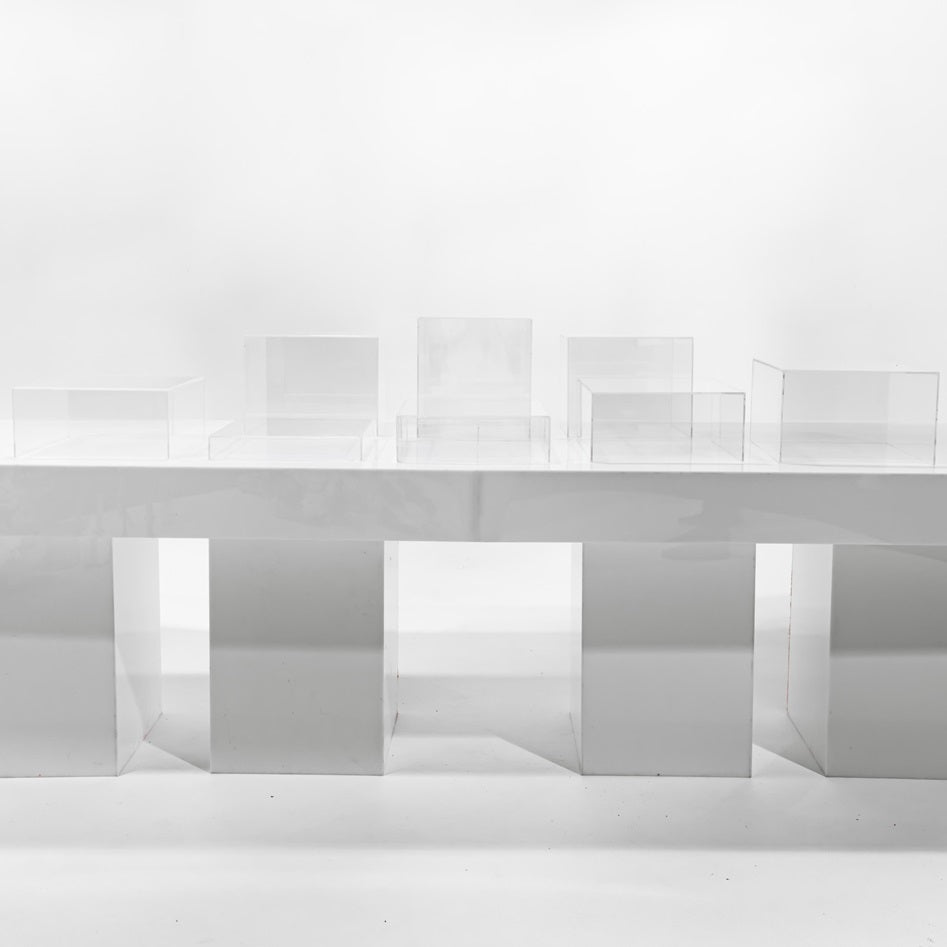
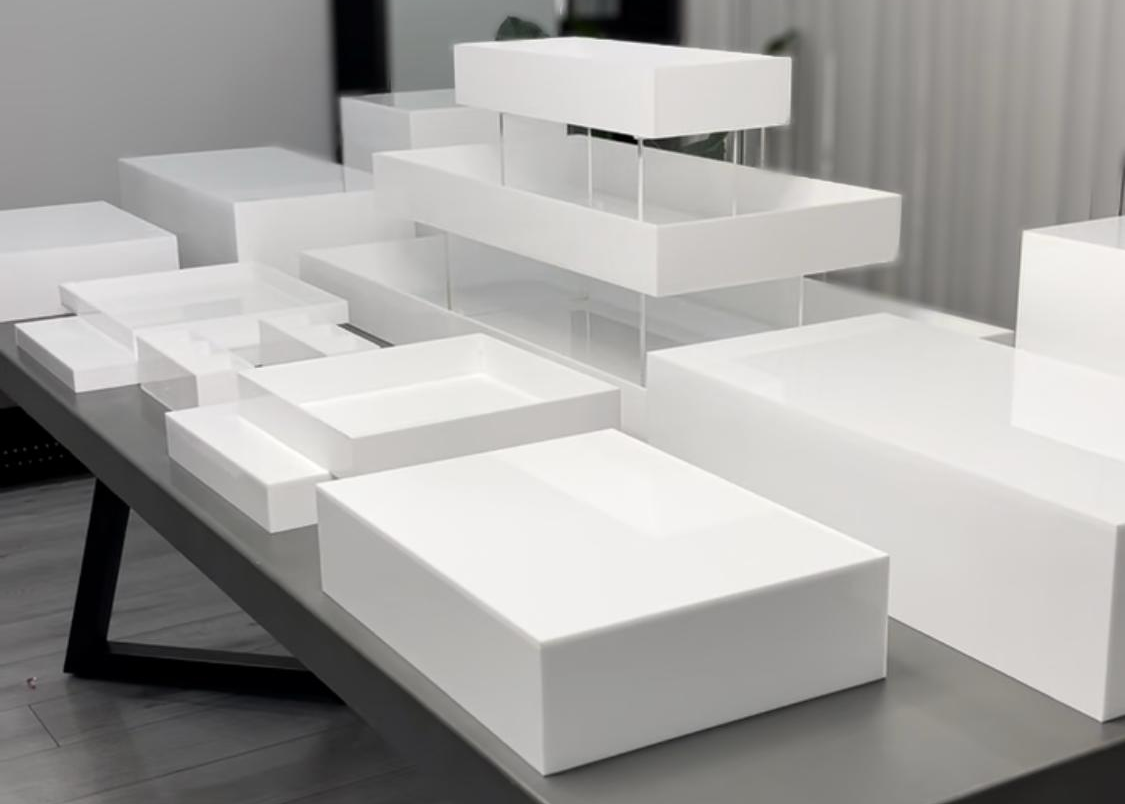
Acrylic risers are clear, white, black, or colored display pedestals used to elevate food, props, signage, or product on a buffet, retail counter, or display table. In catering they're the difference between a flat-looking spread and a composed one. In retail they're how you stage a product to read as premium. In photography they're how you build height without bringing in furniture.
The term covers a range of shapes (cubes, columns, slabs, tiered sets), heights (3 inches to 24+), and grades (decorative plastic up to commercial-grade acrylic), which is why "what are acrylic risers" sometimes returns five different answers. Here is the working definition the people who use them every day actually use.
What separates a riser from a plinth from a stand
The words get used interchangeably, but the people who specify them treat them differently:
- Riser. The general term. A short to mid-height block used to lift one or more items on a surface. Risers are usually 3 to 12 inches tall.
- Plinth. A taller, more formal display pedestal, usually 12 to 36 inches tall. Plinths often stand on the floor or on a low table, not on the buffet itself. The word borrows from architecture and sculpture display.
- Stand. Anything with legs or an open structure. Cake stands, dessert stands, tiered stands.
In a catering context all three show up in the same kit. A 15-piece display set will typically include 4 to 6 risers (low), 2 to 3 plinths (tall), and a few platters or trays sized to sit on top.
What acrylic risers are actually made of
"Acrylic" is the marketing term. The material is polymethyl methacrylate, sold under brand names like Plexiglas and Lucite. There are two grades you'll see on the market:
- Extruded acrylic. Cheaper, lighter, fine for low-stress decorative use. Cracks if you stack weight on a corner.
- Acrylic. Heavier, clearer, more impact-resistant. This is what commercial-grade catering risers are made from. 5mm thickness is the practical floor for anything load-bearing. 8mm or 10mm for full plinths and tower pieces.
If a riser feels lighter than you expected and the edges are slightly cloudy, it's extruded. If it feels heavy for its size and the edges are optically clear, it's cast. The price difference at retail is 2 to 4x. The lifespan difference in a working catering business is 5 to 10x.
Why caterers use them instead of other display options
The alternatives to acrylic risers in a buffet context are: wooden crates, ceramic plinths, marble blocks, fabric drapery over hidden supports, or no risers at all. Each has trade-offs:
- Wooden crates. Warm look, but visually heavy and they read rustic. Hard to wipe clean between courses.
- Ceramic and marble. Beautiful but breakable, heavy to transport, expensive to replace.
- Fabric over hidden supports. Cheaper short-term but tends to wrinkle, slip, and look improvised under event lighting.
- No risers. The buffet reads flat. Photos of the spread don't work for the caterer's portfolio.
Acrylic risers solve for the working constraints: they're transportable, easy to clean, color-stable, and visually quiet enough to let the food lead. A black acrylic plinth fades into the background. A wooden crate doesn't.
What sizes do caterers actually use
The most-used sizes in a catering kit, in order of frequency:
- 6-inch riser. The workhorse. Holds a platter, a salad bowl, a cake stand.
- 9-inch riser. Mid-tier height. Holds the focal piece of a station.
- 12-inch plinth. The peak in a small-to-medium buffet.
- 15 to 18-inch plinth. Statement piece for large buffets, signage holders, or photography setups.
- 3-inch slab. Used sparingly. Low platforms for cheese spreads or charcuterie.
Modular kits in the 10 to 15-piece range cover all of these. Acrylic plinths for sale in modular sets give you the flexibility to mix heights without buying single pieces one at a time.
How acrylic risers are sized for weight
This is the question that matters and rarely gets asked at purchase. A riser holds three categories of load:
- Decorative load. Signage, a small floral arrangement, an empty bowl. 5 to 15 pounds. Any acrylic riser handles this.
- Platter load. A platter with cheese, fruit, charcuterie, or plated food. 10 to 30 pounds. Needs acrylic, 5mm minimum.
- Catering load. A full chafing dish, a water-filled vase, a stack of plates. 25 to 50 pounds. Needs acrylic, 8mm minimum, with a wide base.
The published weight rating for commercial-grade acrylic risers in the catering category is typically 40 lb minimum. The number to look for on a product spec sheet is the load rating per piece. If it isn't published, ask. A piece that doesn't disclose its rating is rated for decorative use only.
White vs black vs clear vs gold
The color choice isn't aesthetic — it determines what the food looks like on the plate.
- White. Disappears under linens and styling. Best for bright food (citrus, salad, pastries). Default for weddings and bridal events.
- Black. Anchors the buffet. Best for richly colored food (red meat, dark sauces, chocolate). Default for evening events, galas, and corporate dinners.
- Clear. Invisible. The food appears to float. Best for minimalist styling and high-end venues with strong existing decor.
- Gold. Adds warmth and signals luxury. Best for dessert tables and high-end branded events where the riser itself is part of the visual.
Most caterers keep at least two colorways in their kit. White covers the daytime calendar. Black covers everything after sundown.
What "commercial-grade" actually means
Catering-grade and commercial-grade are loose terms. The specifics to check:
- Acrylic (not extruded)
- 5mm thickness minimum, 8mm for plinths over 12 inches tall
- Food-safe certification (most clear acrylic qualifies; some pigmented versions need confirmation)
- Hand-wash with warm water and mild soap. Commercial dishwasher temperatures (160 to 195°F) can warp acrylic
- Edge polish on visible edges (saws leave a frosted edge; commercial risers are flame-polished or hand-buffed)
- Stackability — important for storage and transport
A piece that meets all six survives a full season of weekly events. A piece that meets three or fewer is a decorative purchase you'll replace in 6 months.
Common questions
Can you put hot food directly on acrylic risers? Direct contact with a chafing dish or hot platter (above 160°F) can warp acrylic. Always place a platter or trivet between the heat source and the riser.
Do they scratch? Yes. Acrylic scratches more easily than glass. The fix is a microfiber cloth and a non-abrasive plastic polish. Avoid paper towels (the wood fibers cause micro-scratches over time).
Are they reusable? Yes, indefinitely if cared for. A commercial-grade acrylic riser used twice a week for 5 years is the norm. The math works out to under a dollar per event.
What's the difference between a riser and a tray with legs? A riser is a solid block; the food sits on top. A tray with legs is open underneath — the food sits inside the tray. Risers are more versatile. Tray-with-legs designs are for specific applications (chafing dish frames, hot-food carriers).
Where to start if you've never bought a set
A first kit for a catering operation is typically a 10 to 15-piece modular set covering the 6-inch and 9-inch heights, plus one or two 12-inch plinths. Add a second set in the contrasting color (white if you started with black, or vice versa) as the business grows.
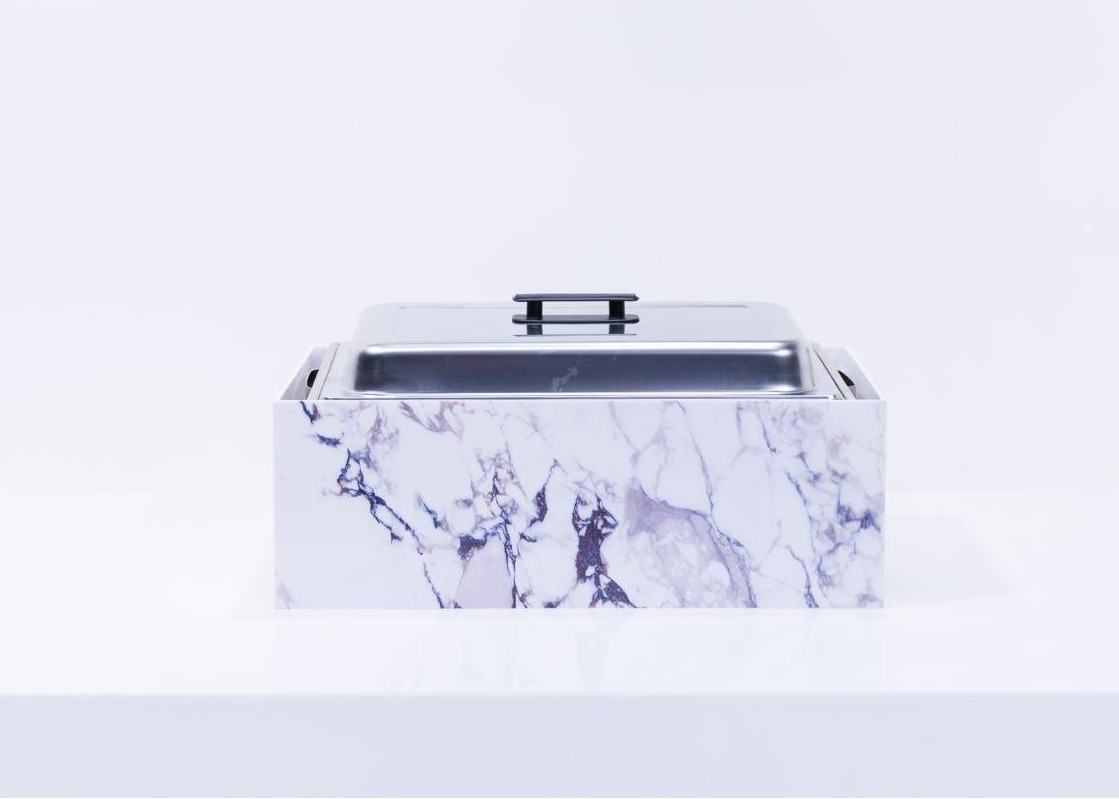
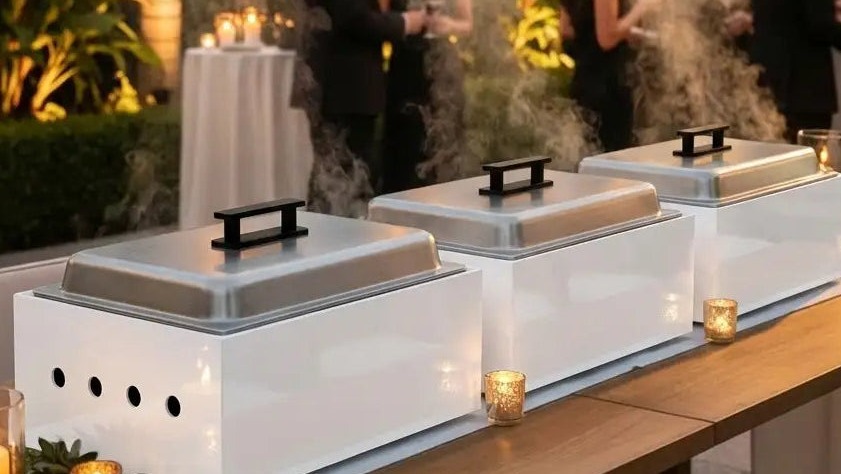
For the broader category, acrylic buffet risers and food display sets covers the working ranges in white, black, and gold. For taller statement pieces, plinths in modular sets sit alongside the riser kit. For the most-asked question that doesn't get asked enough — chafing dish wind protection — magnetic chafing dish guards install in 10 seconds and outlast every disposable alternative.
The right kit pays for itself across a season. The wrong kit sits in storage after one event.