

Food Display Risers for Catering
Food Display Risers for Catering


















Frequently Asked Questions
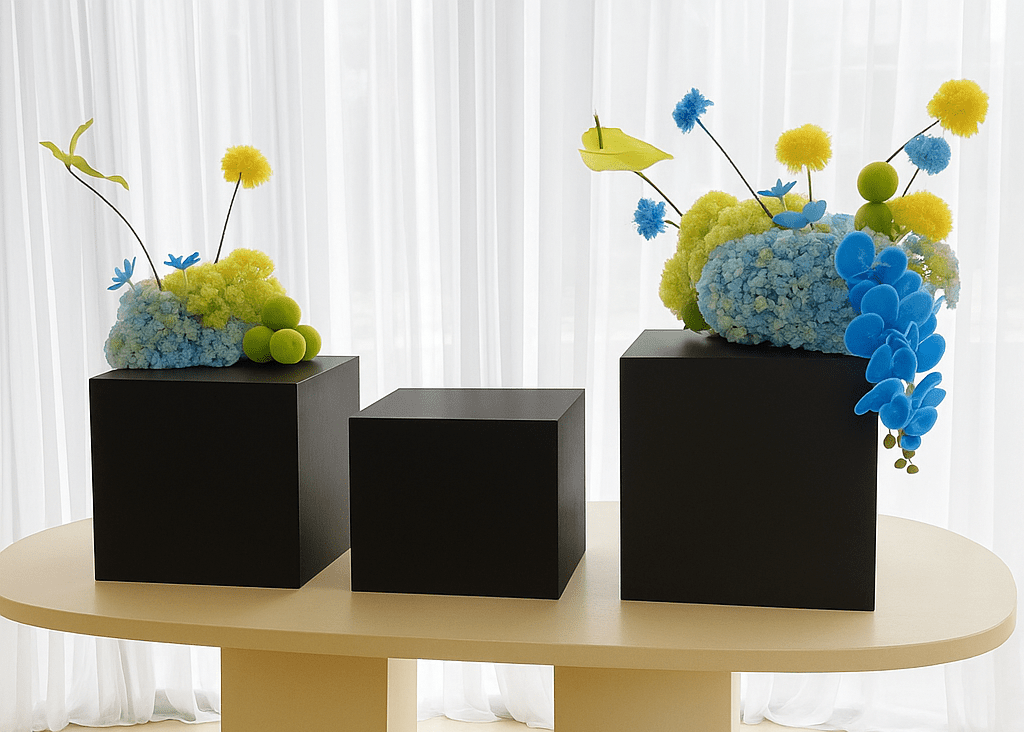
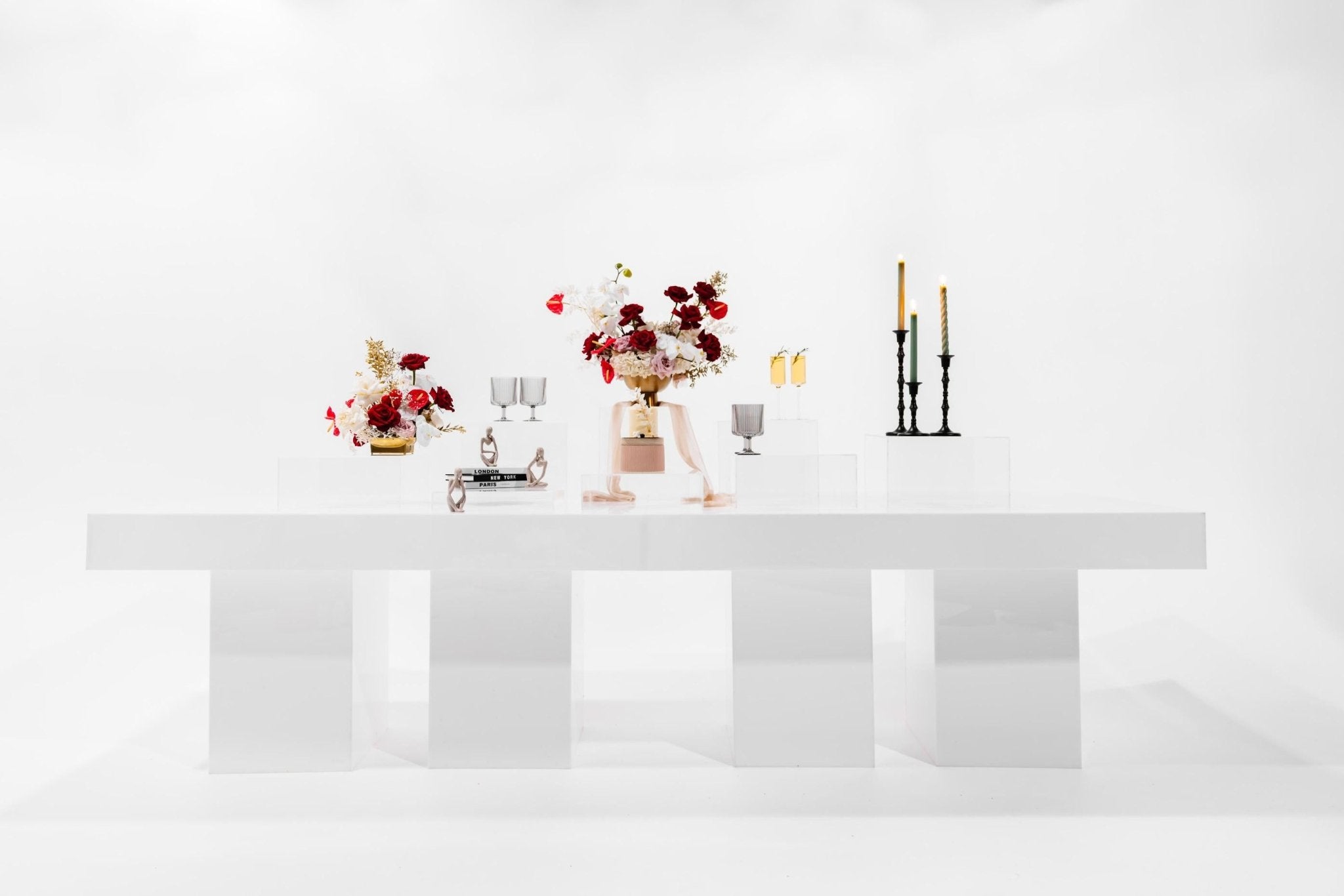
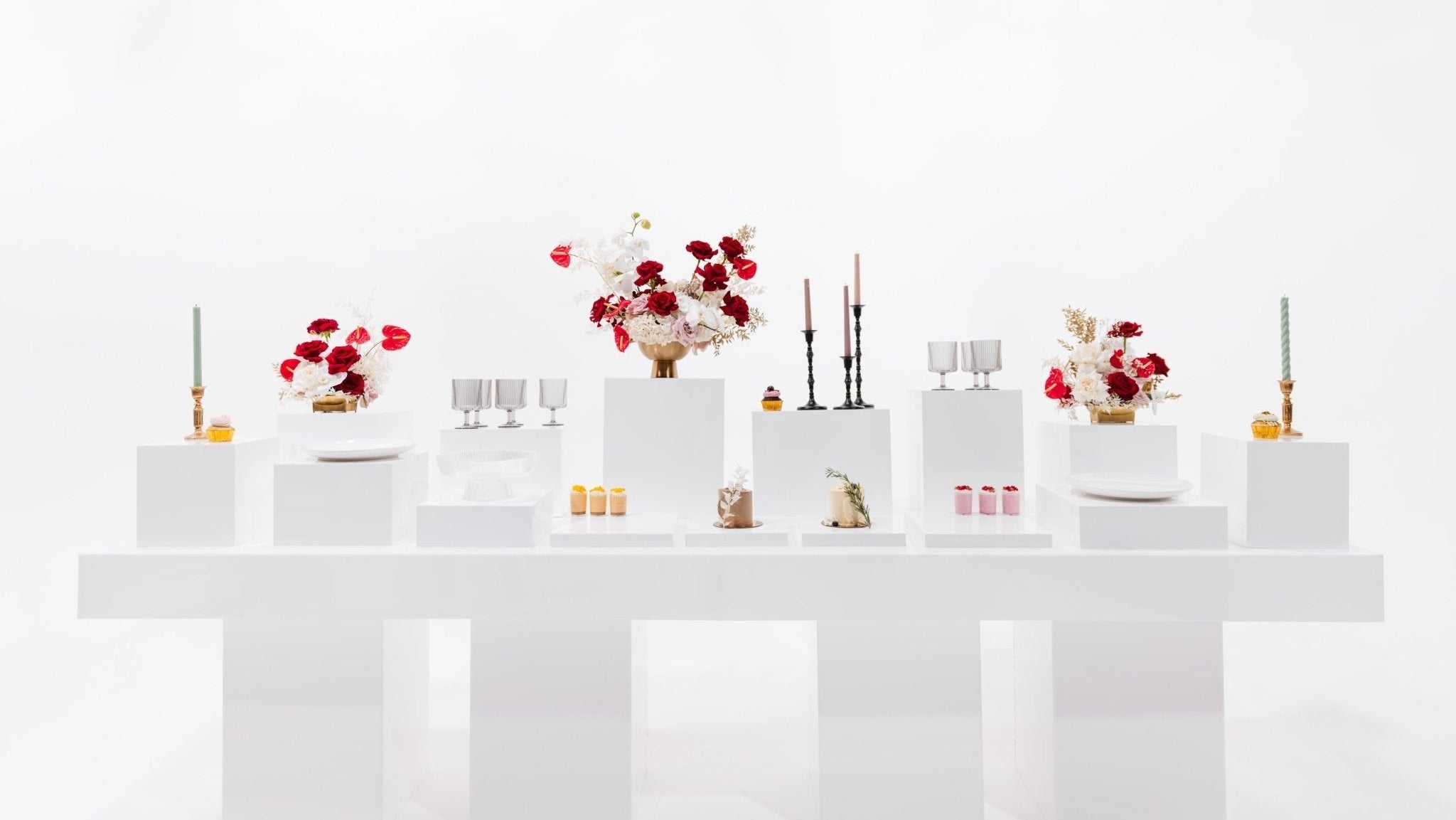
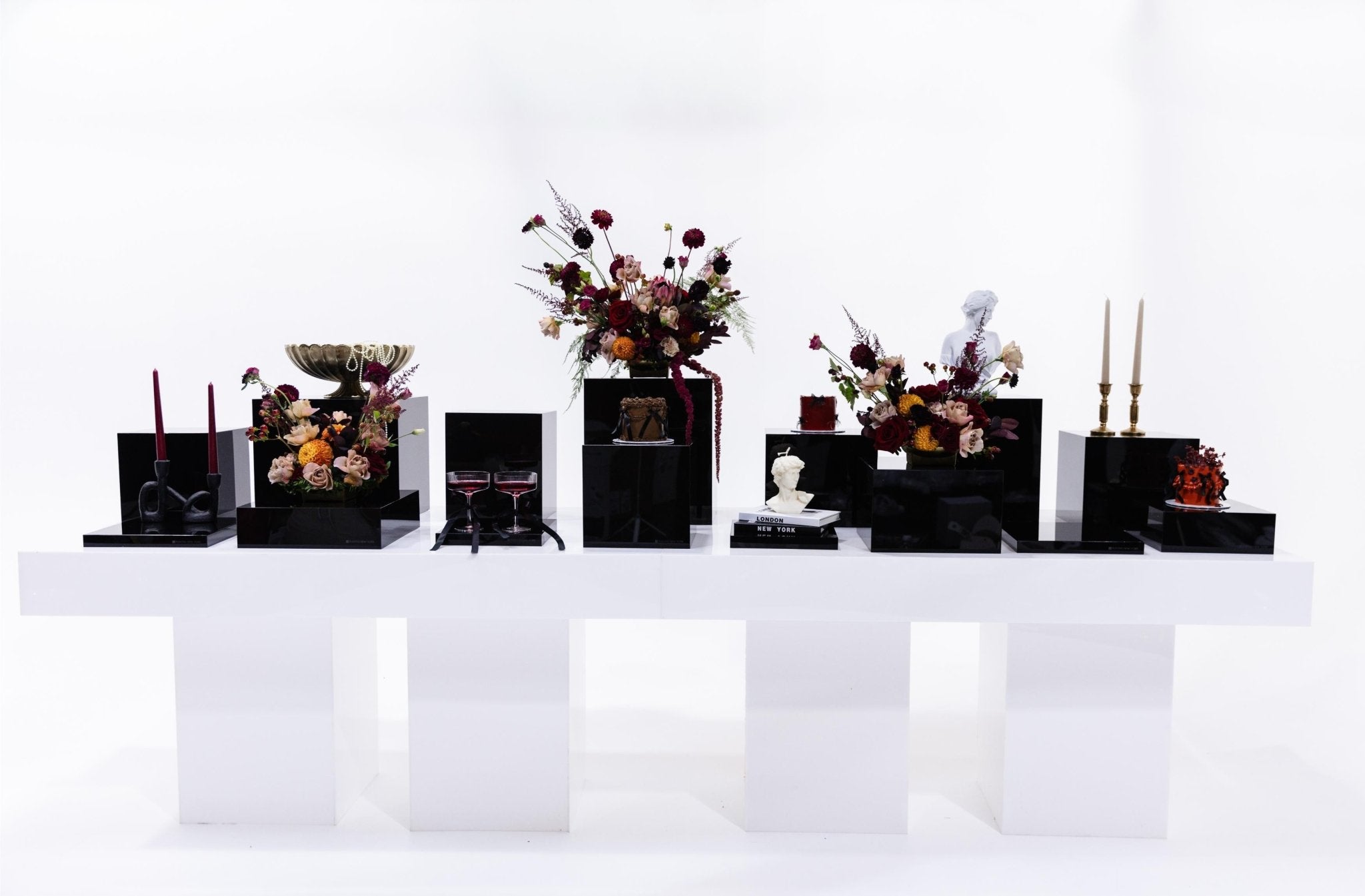
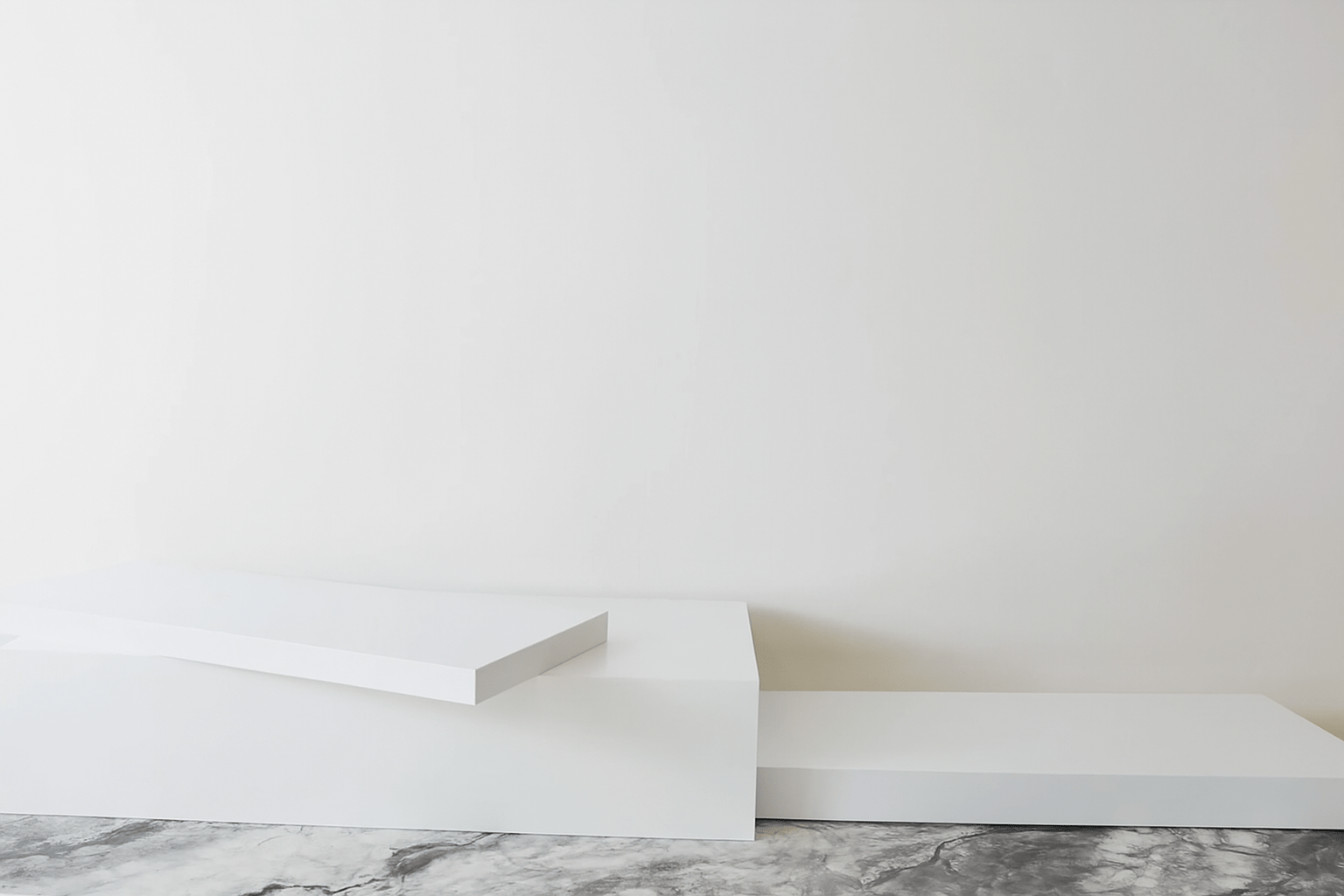
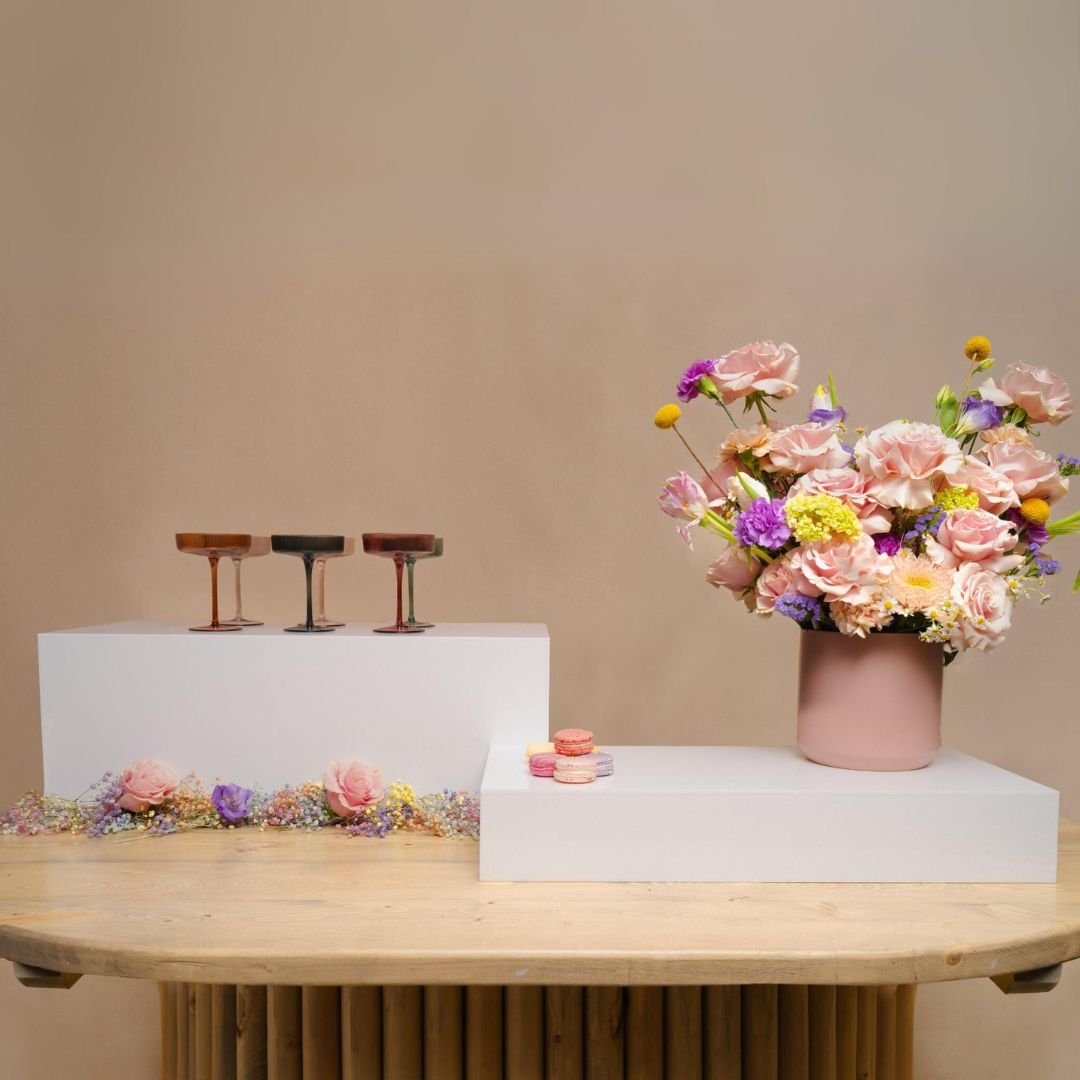
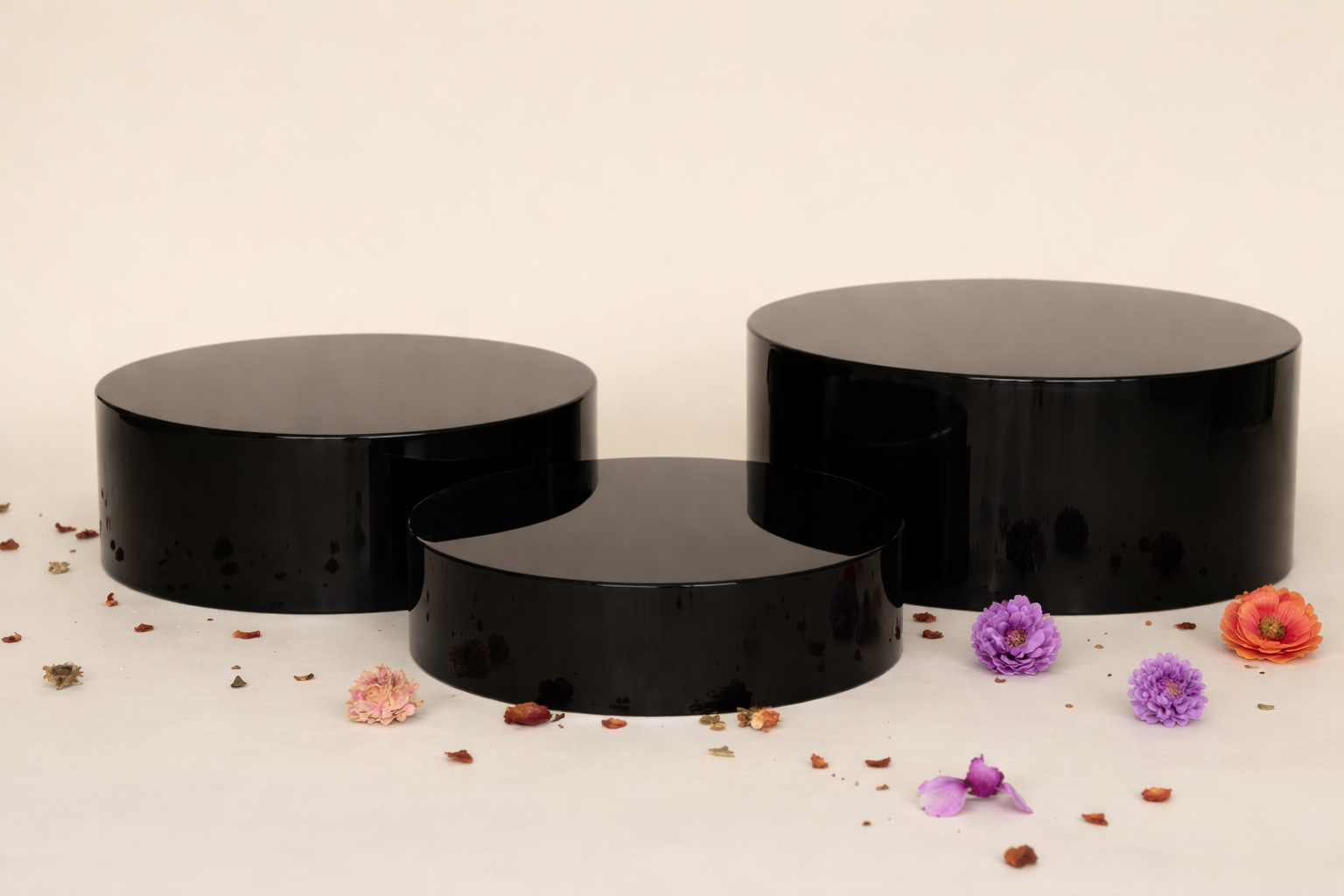
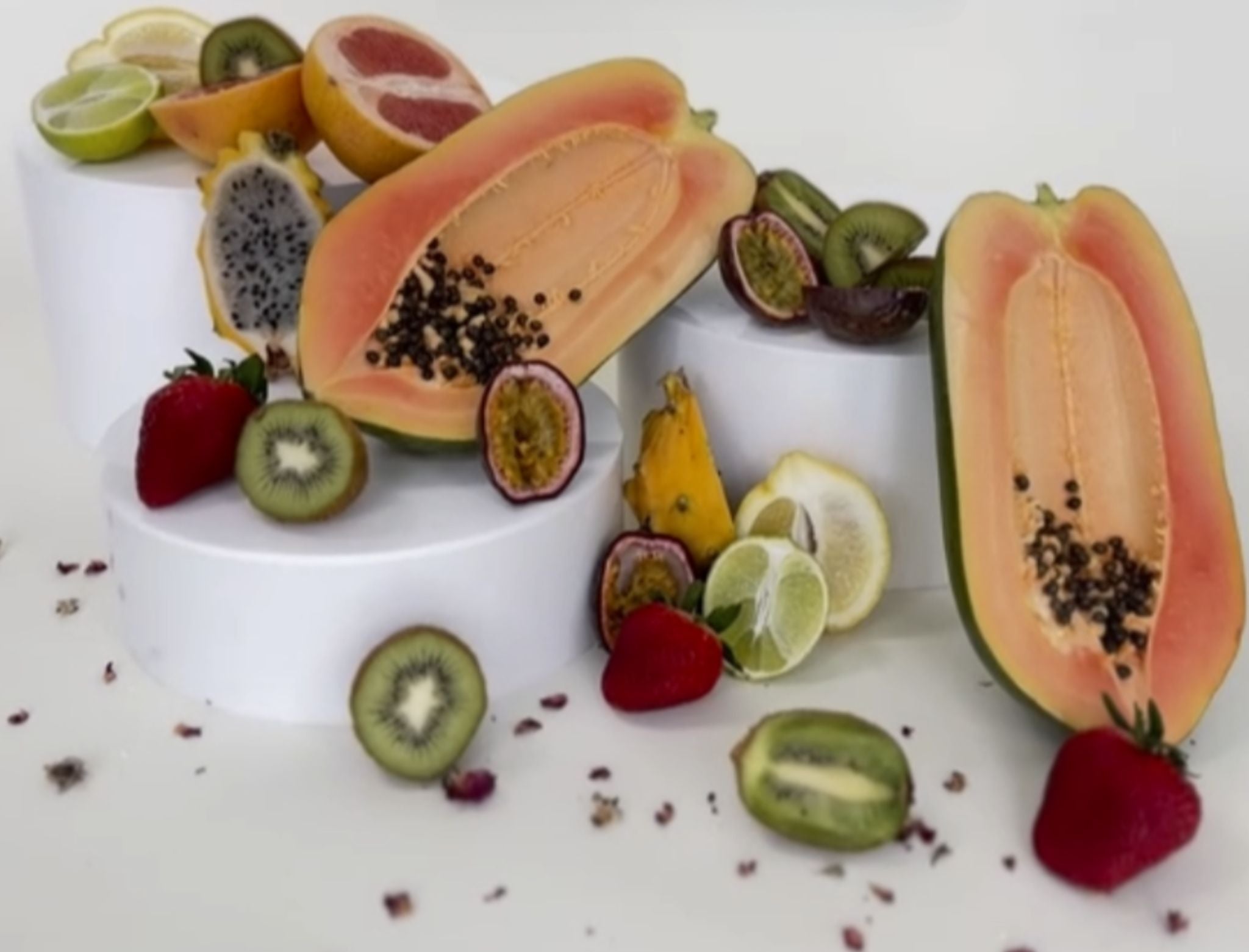
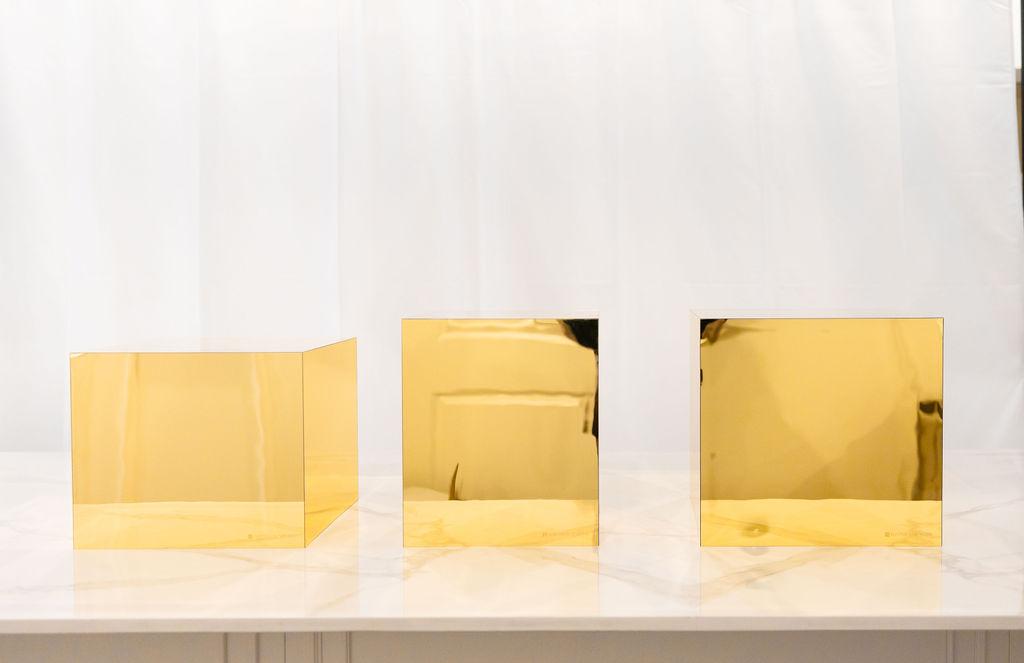
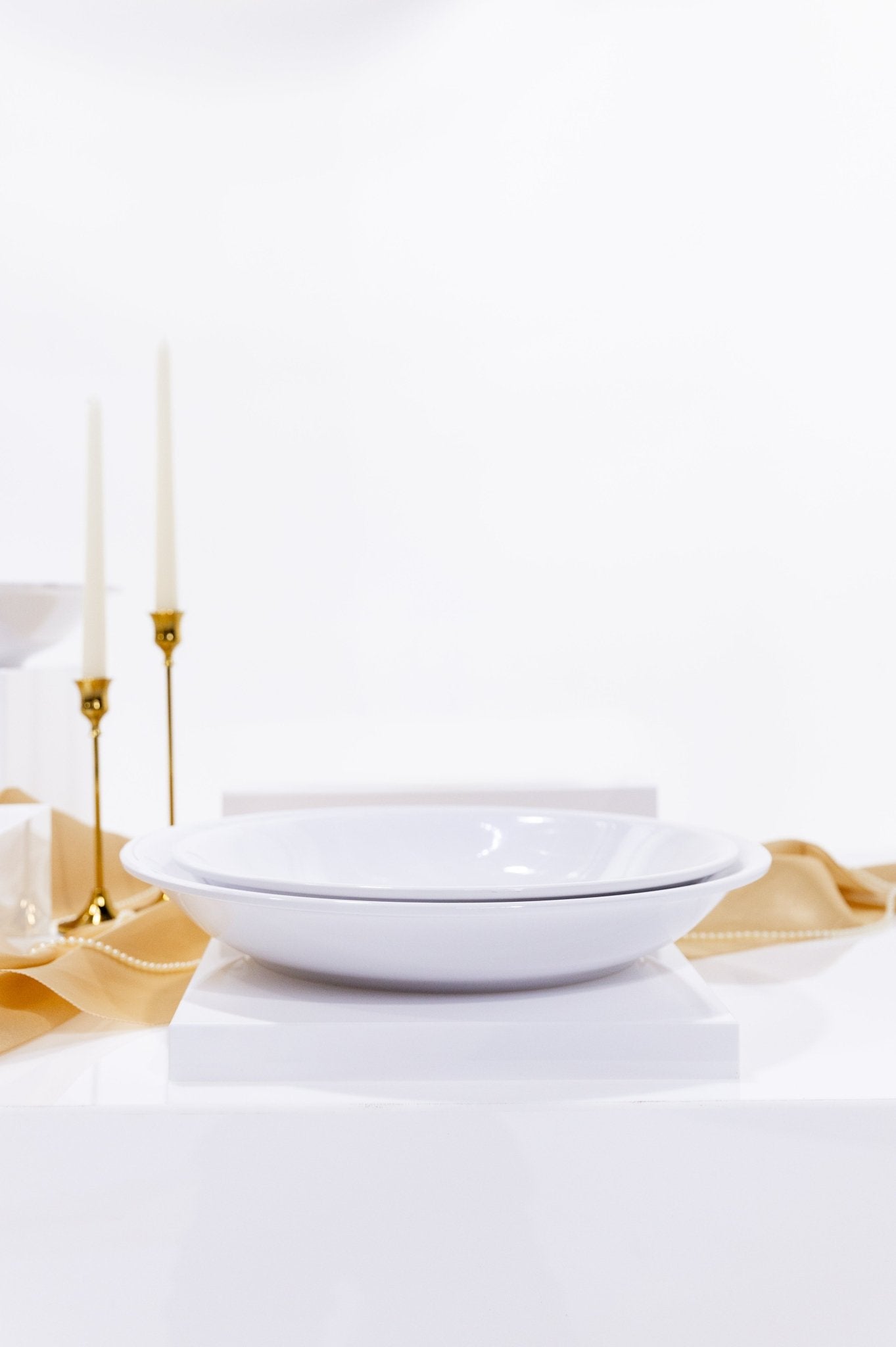
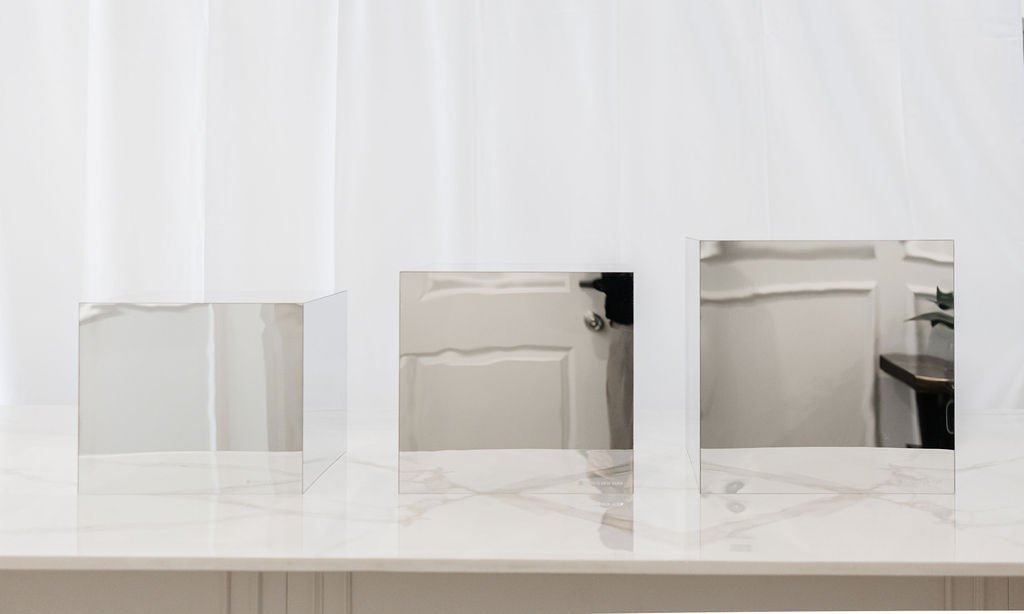
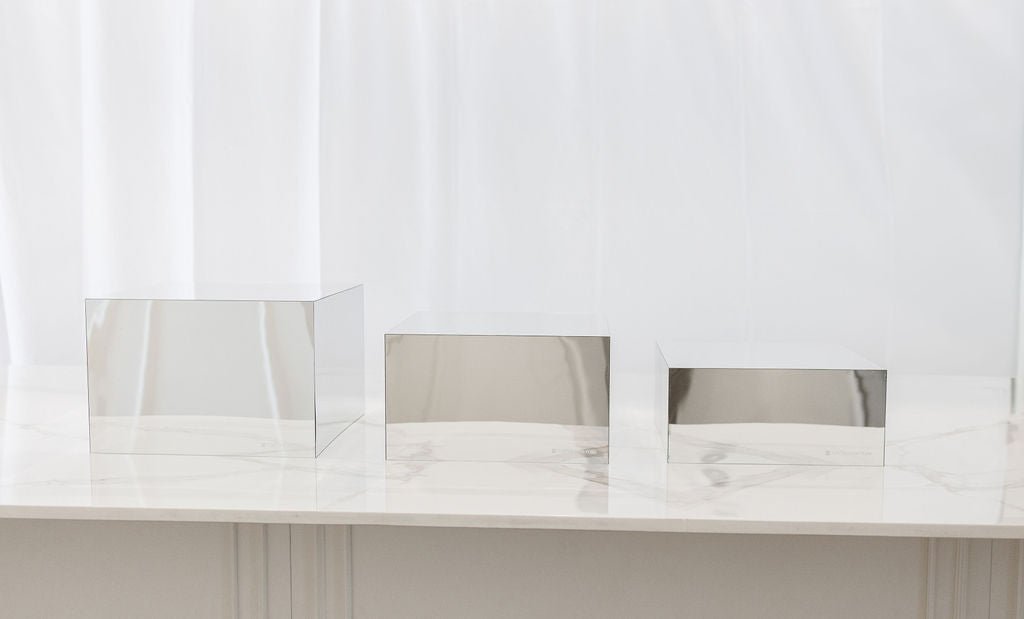
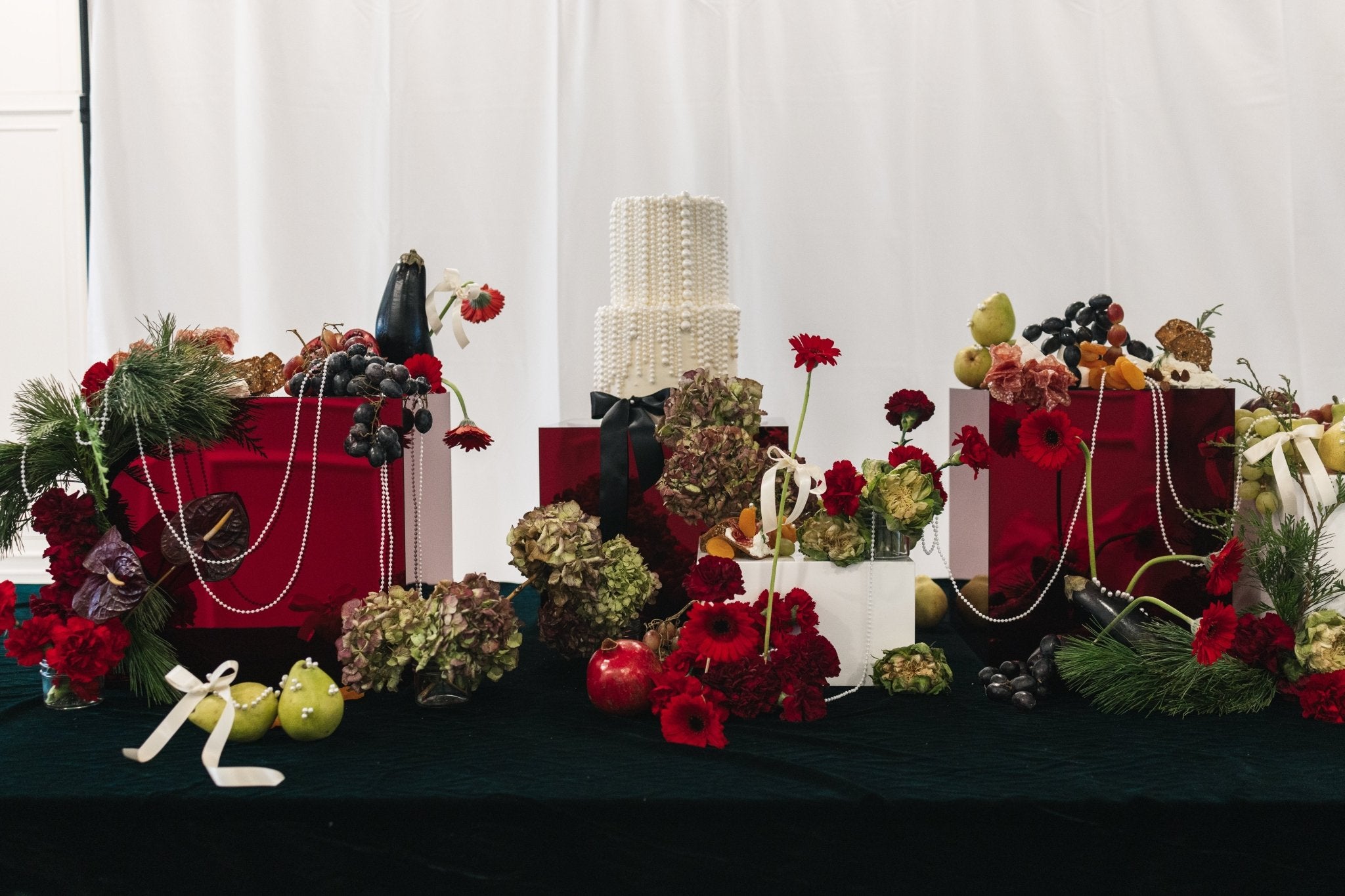
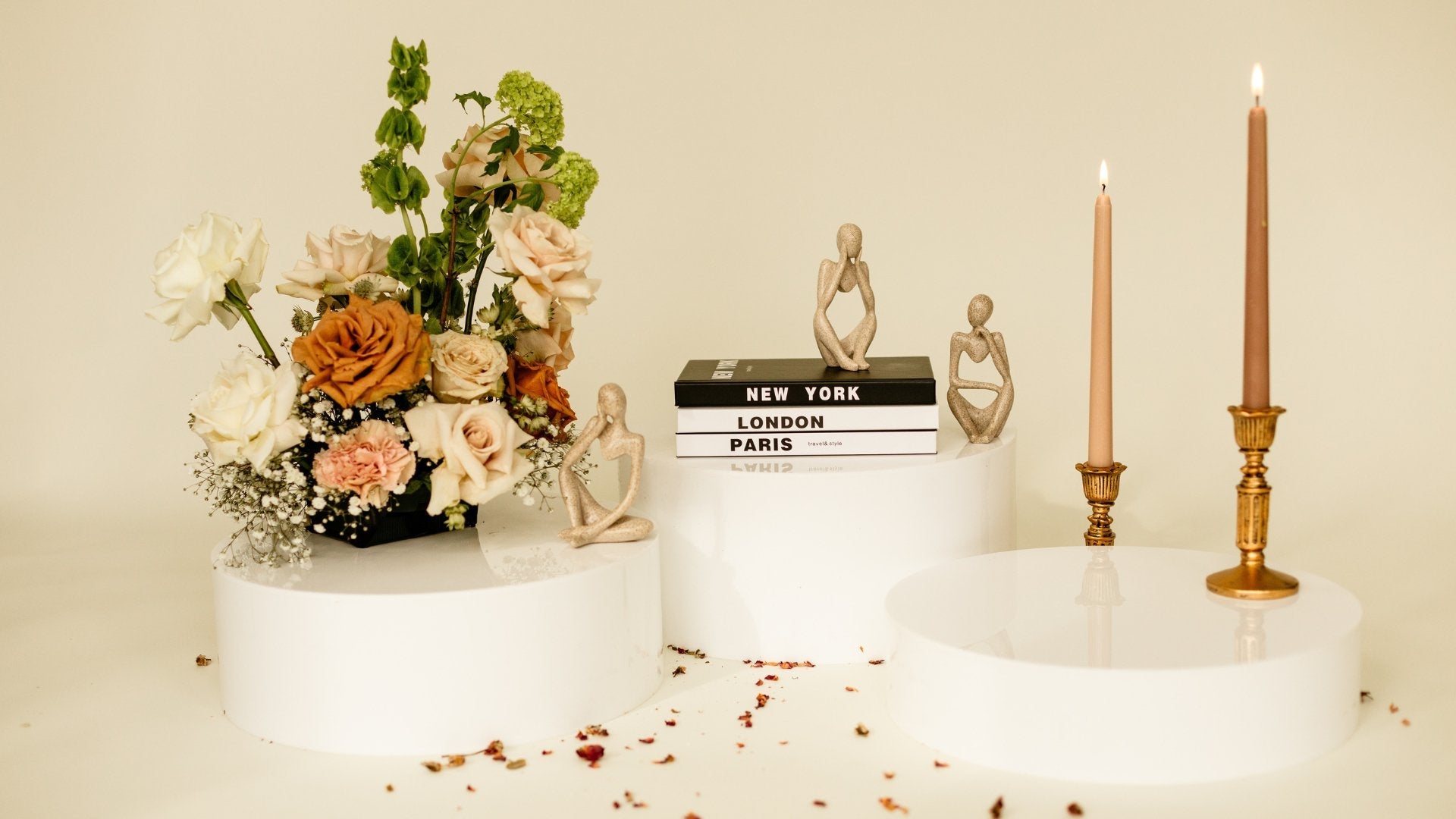
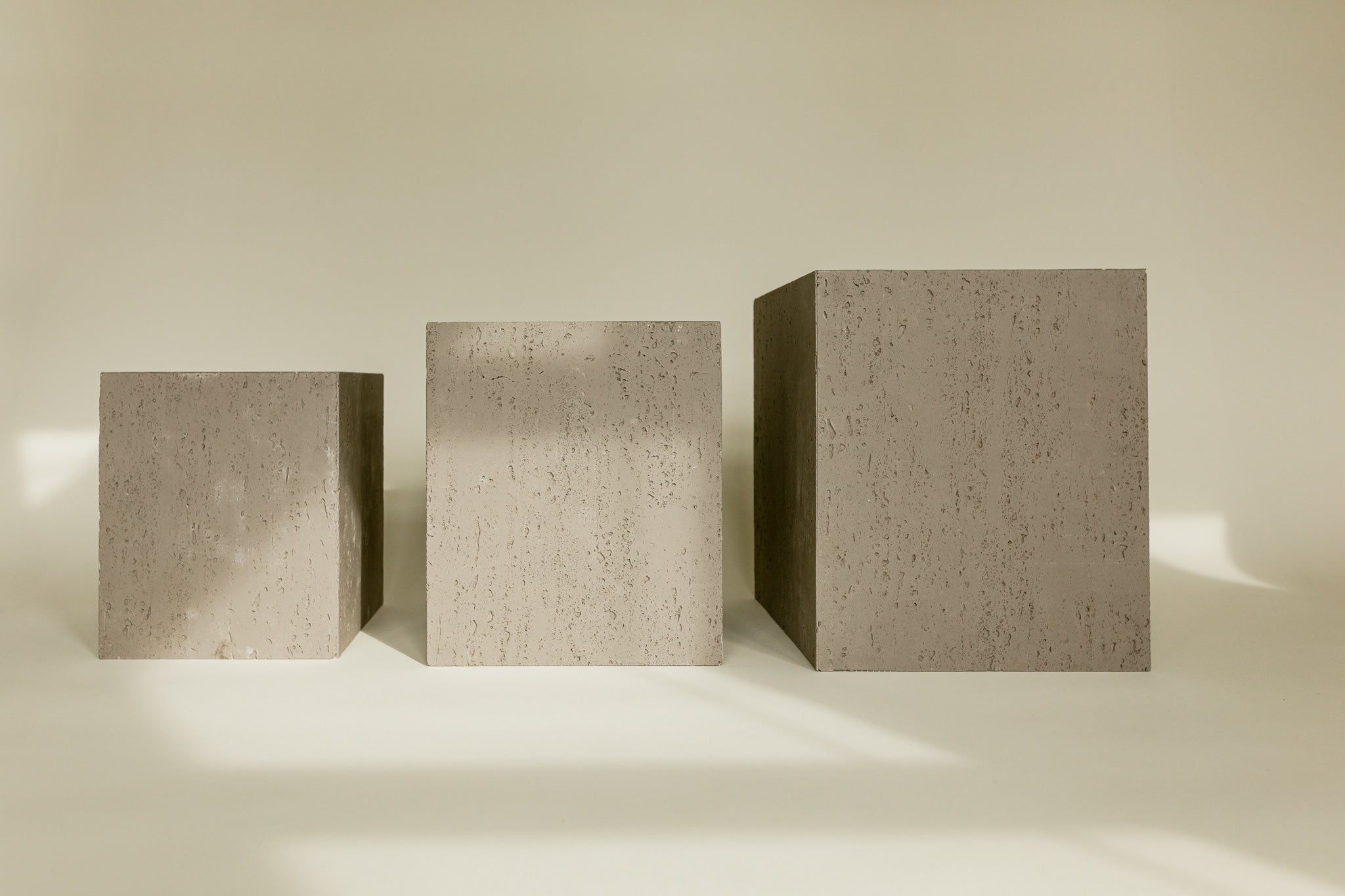
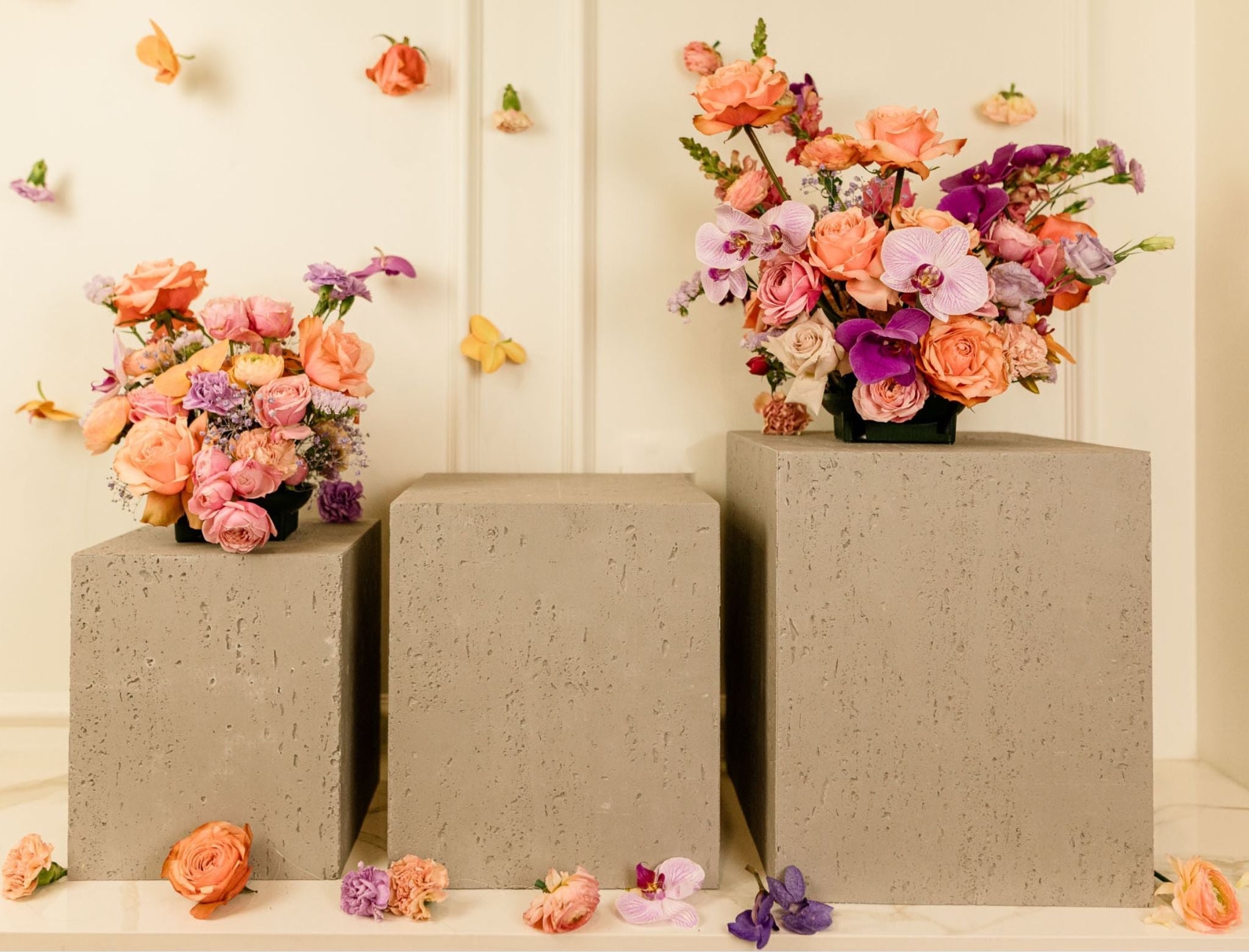
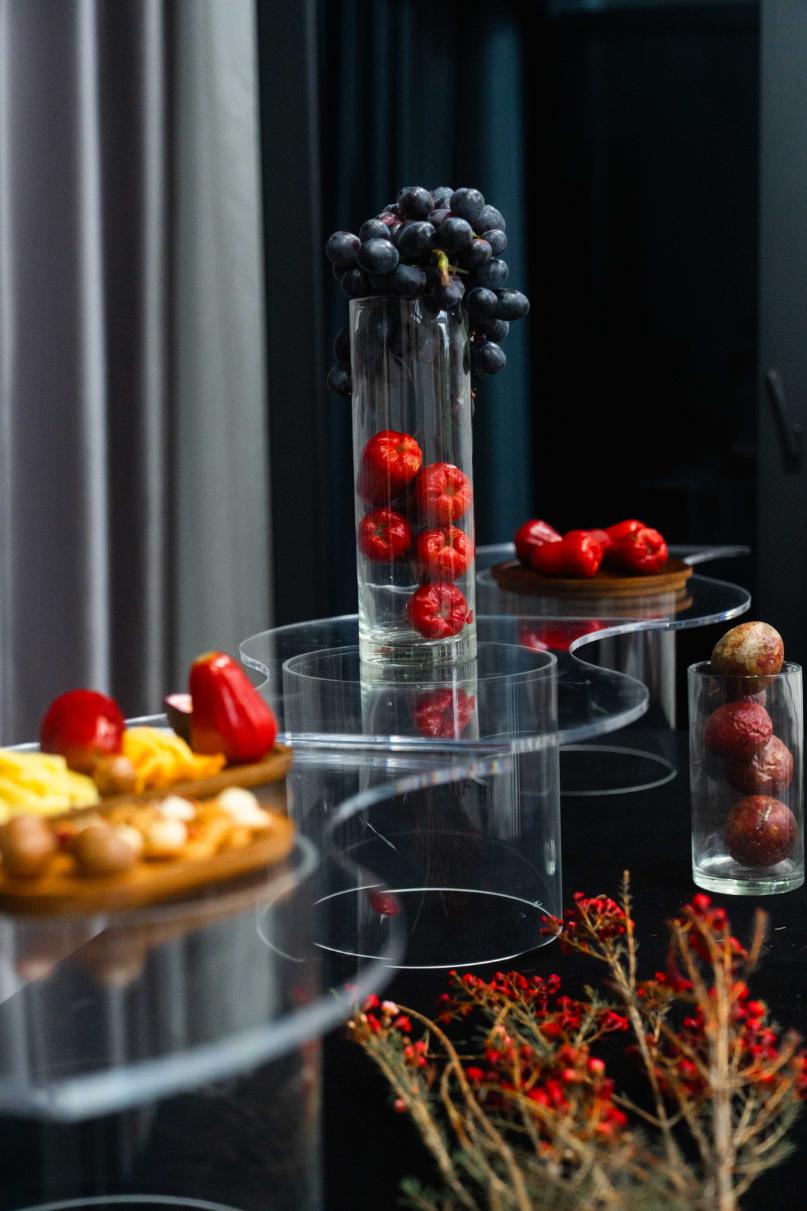
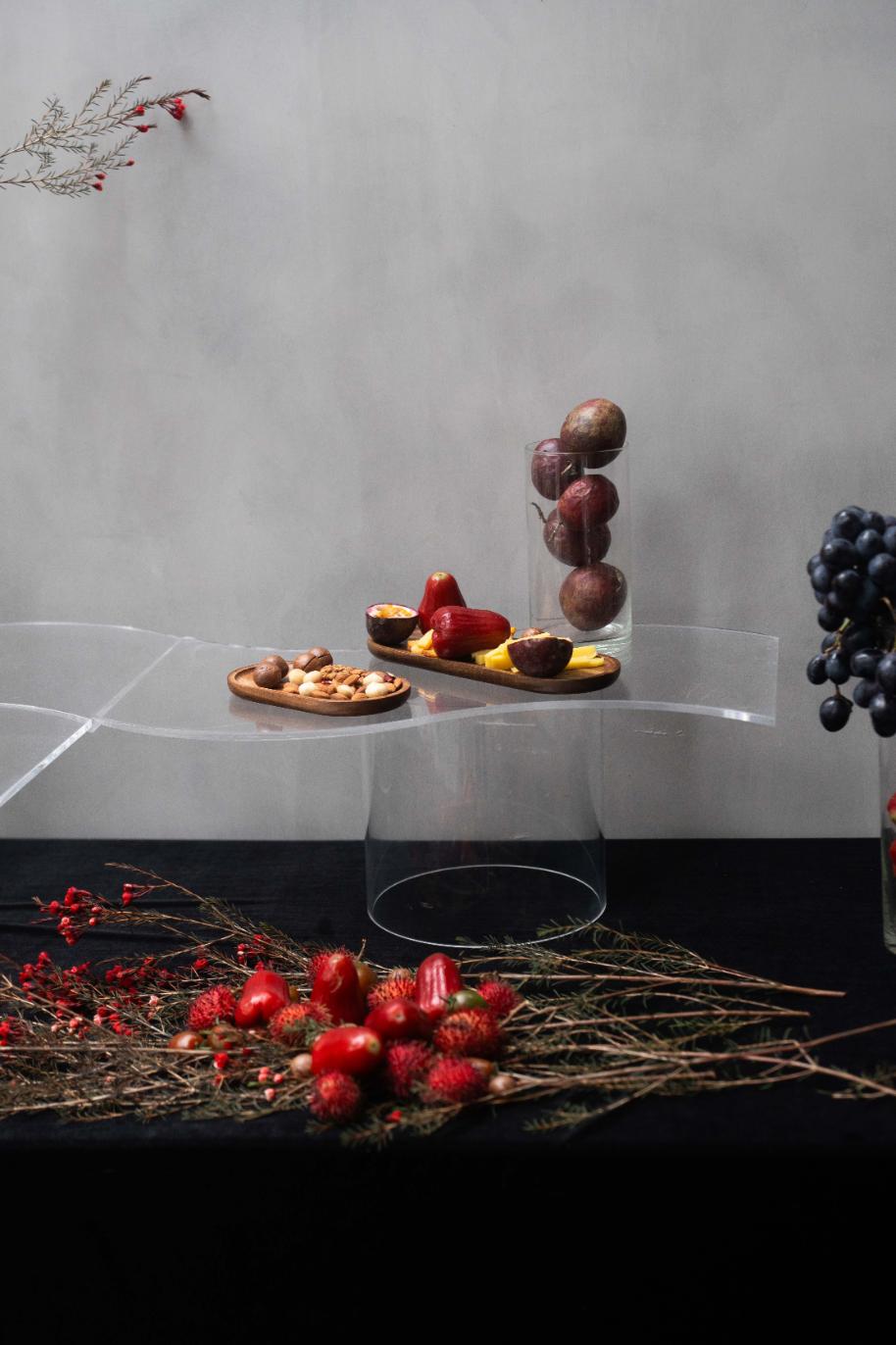
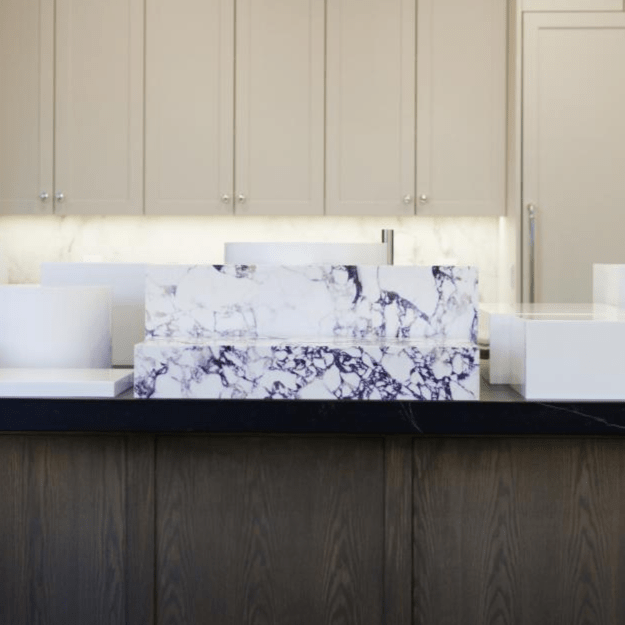
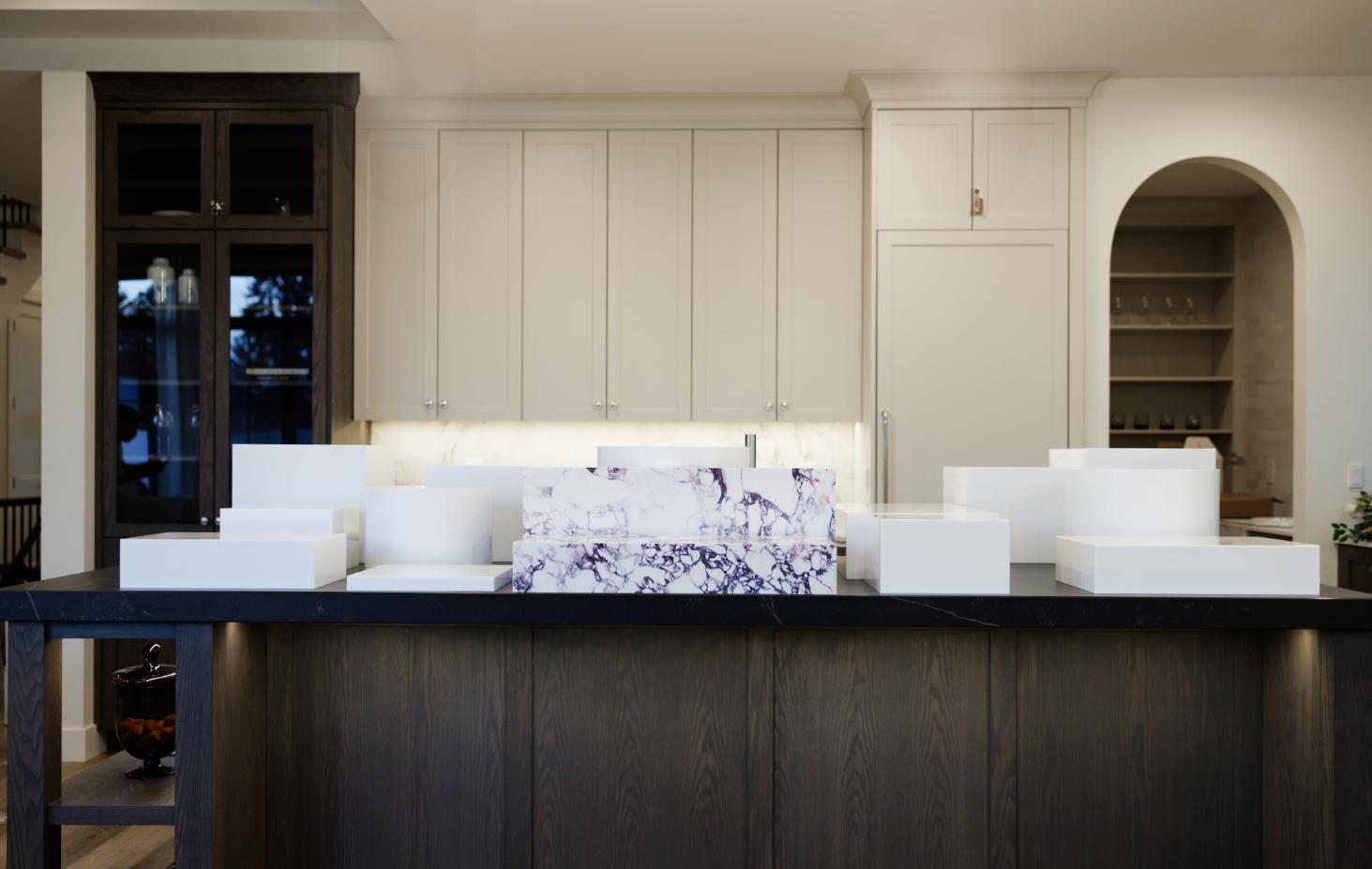
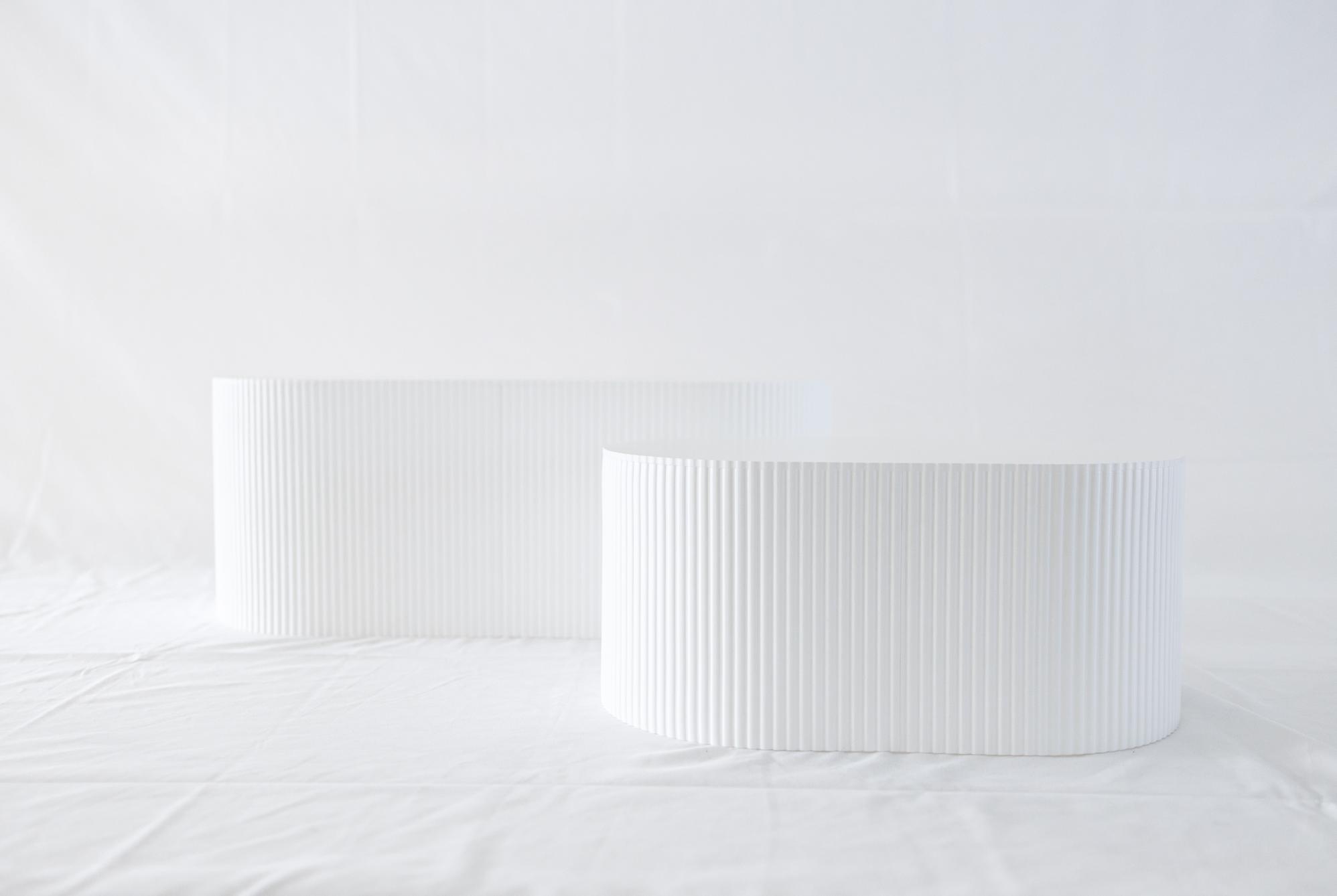
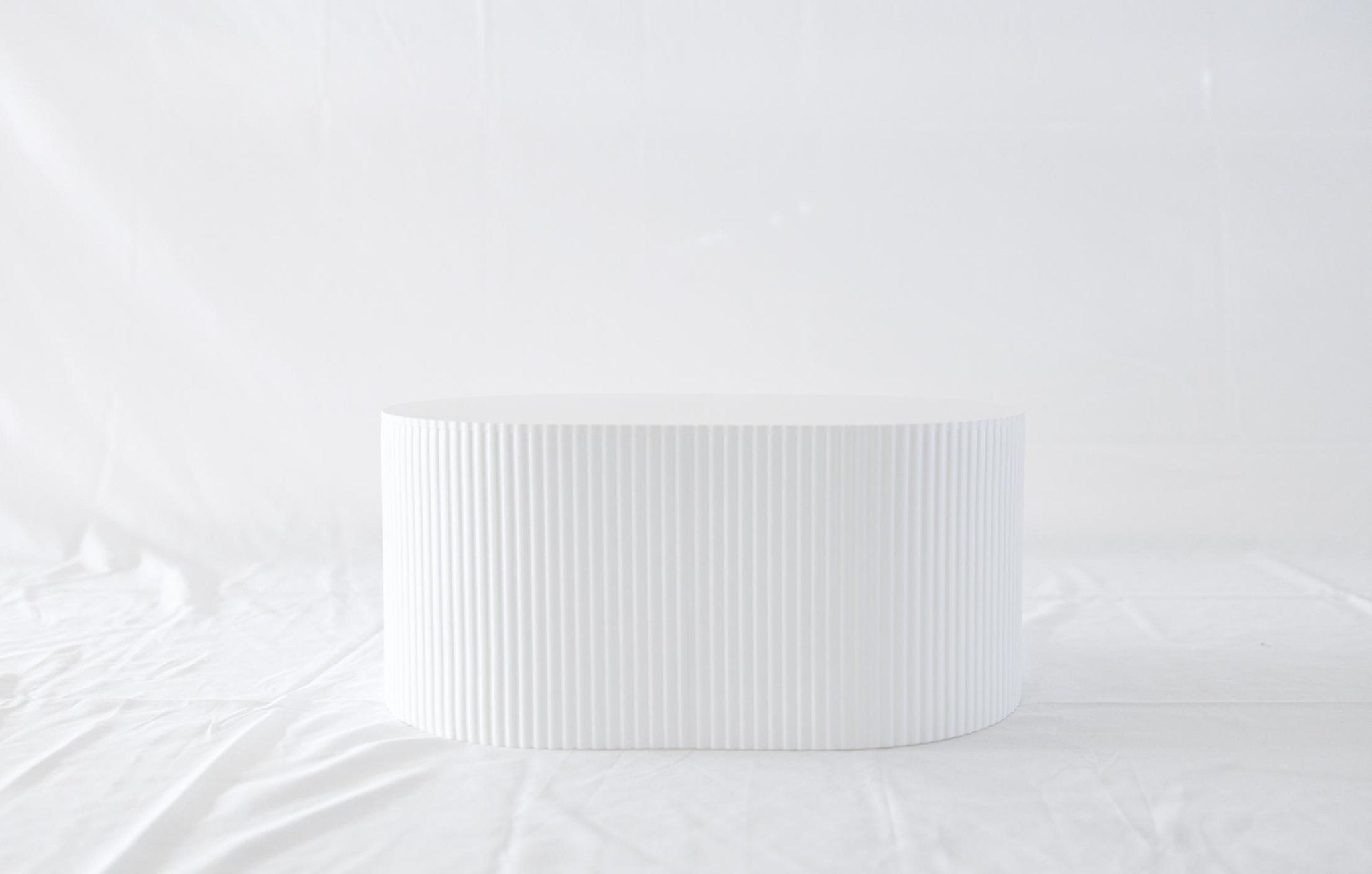
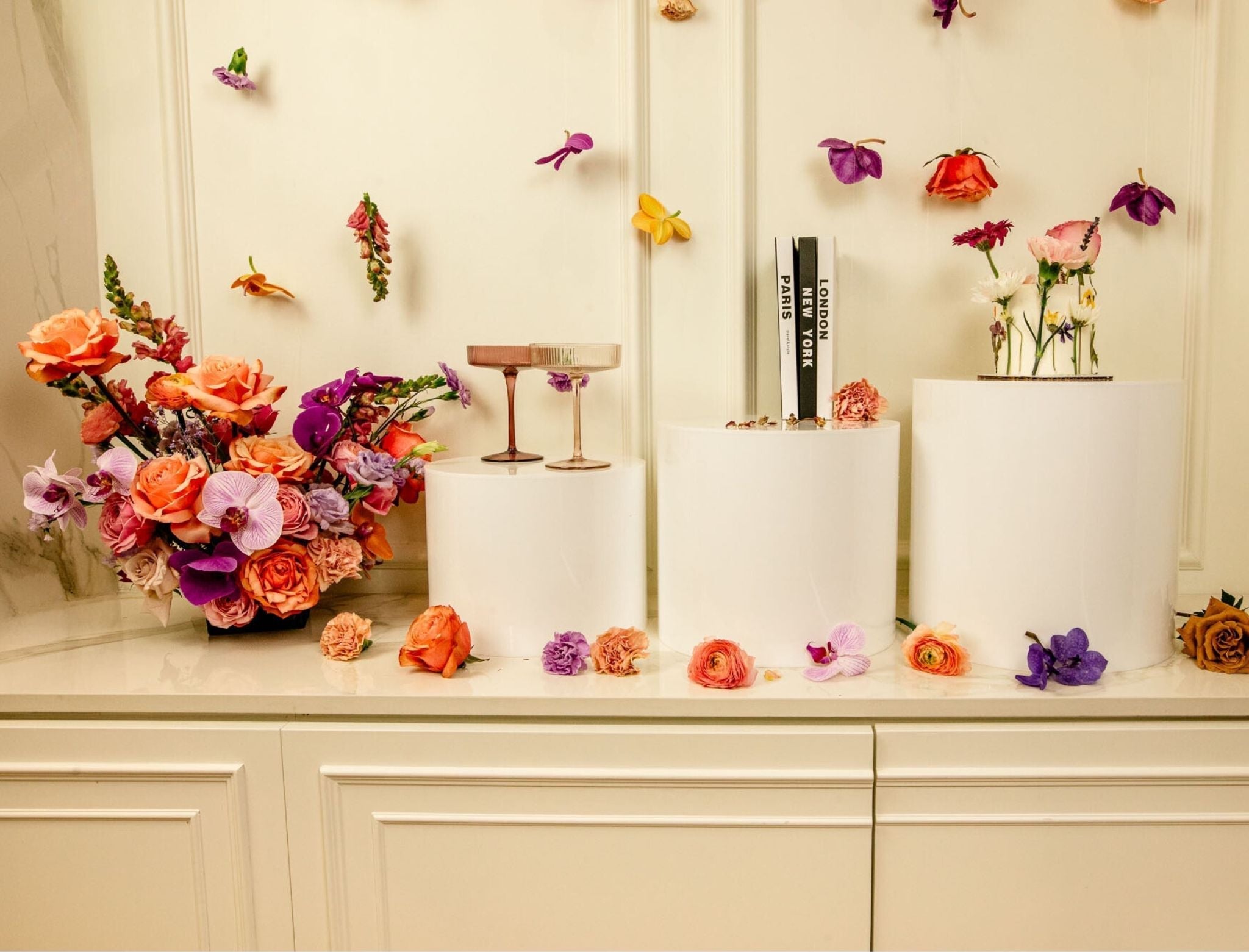
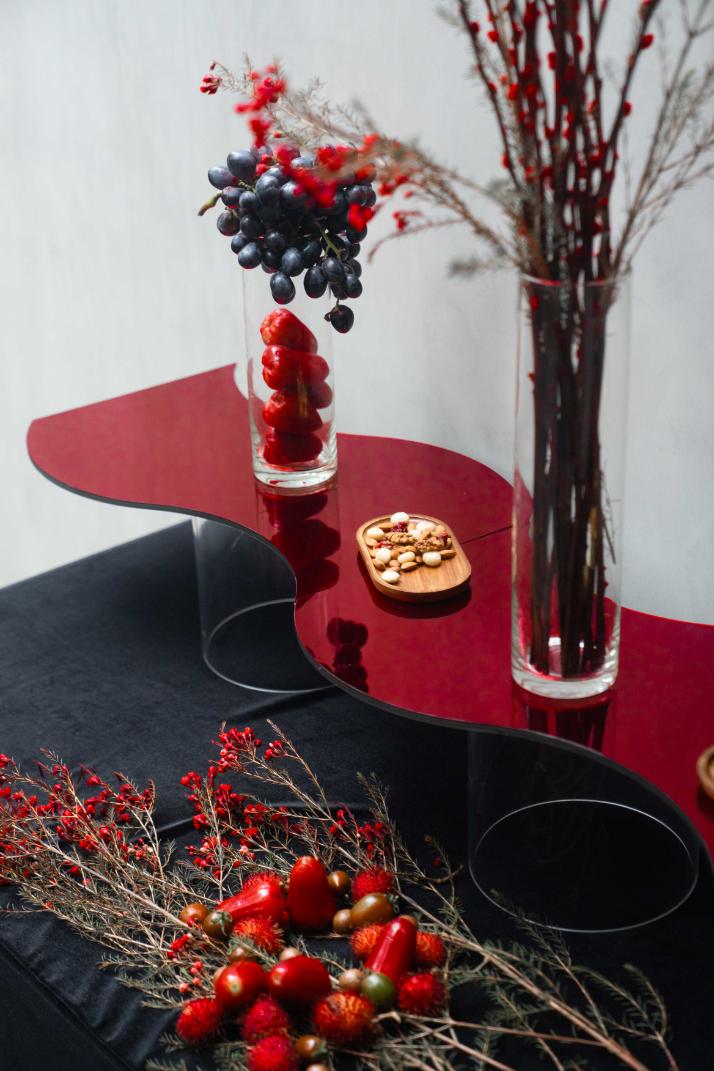
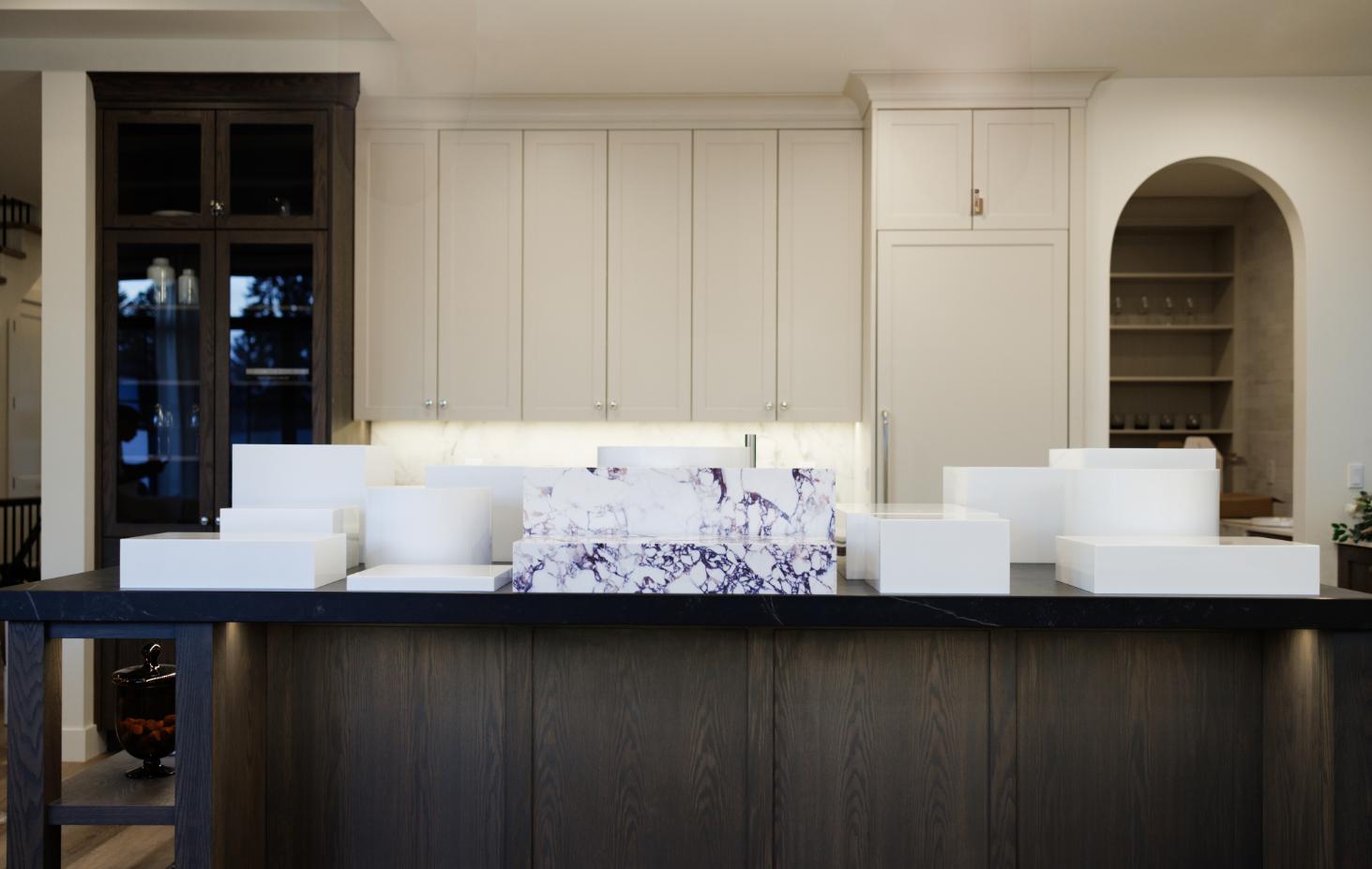
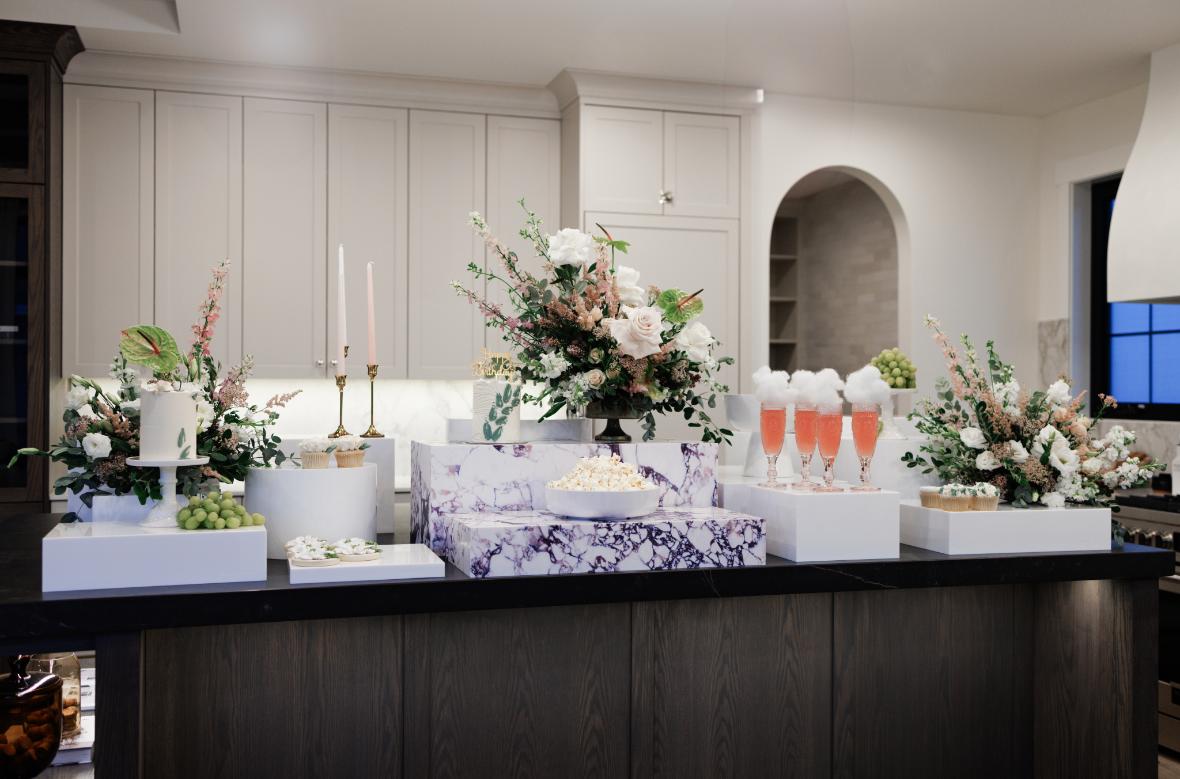
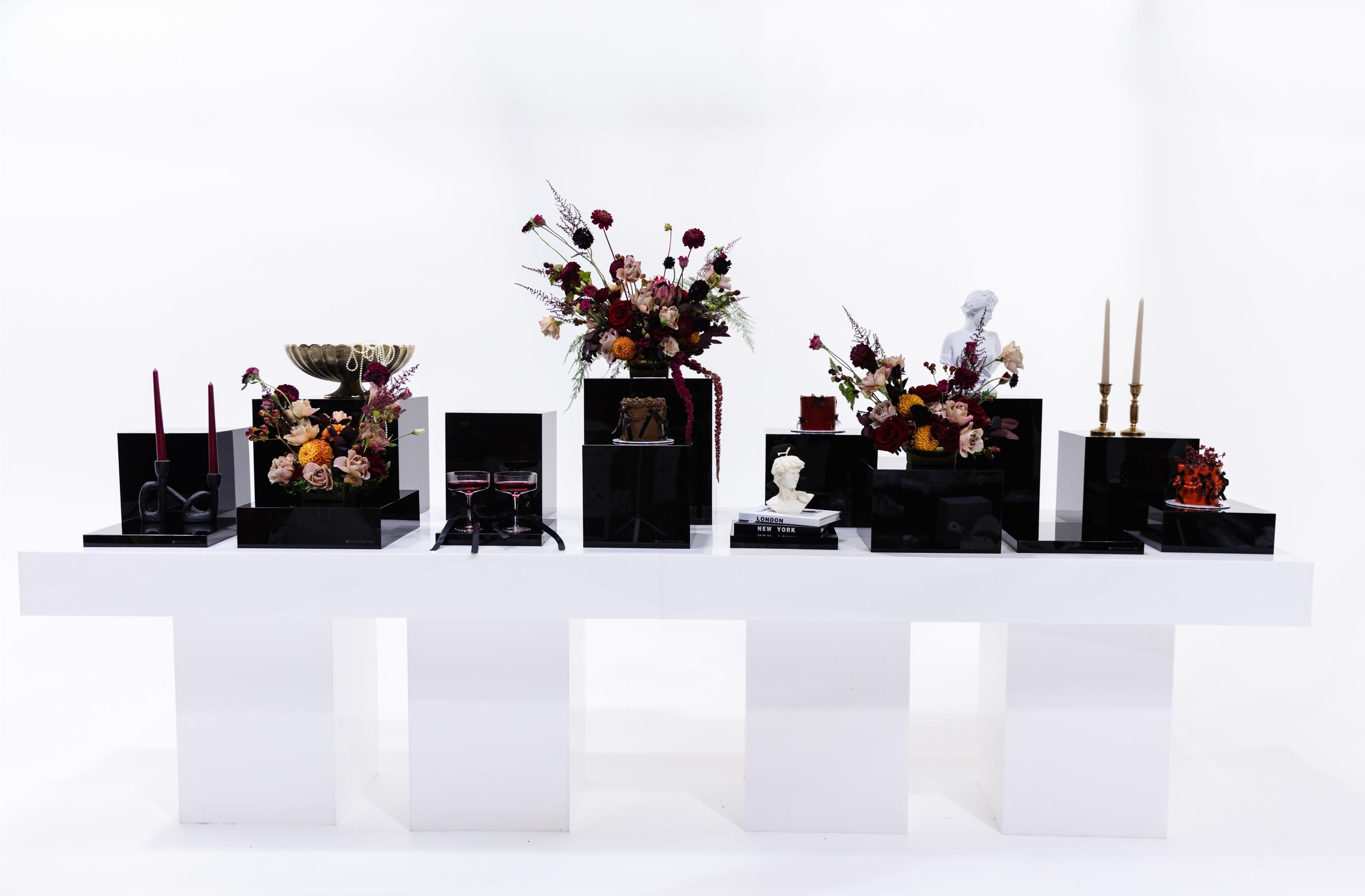
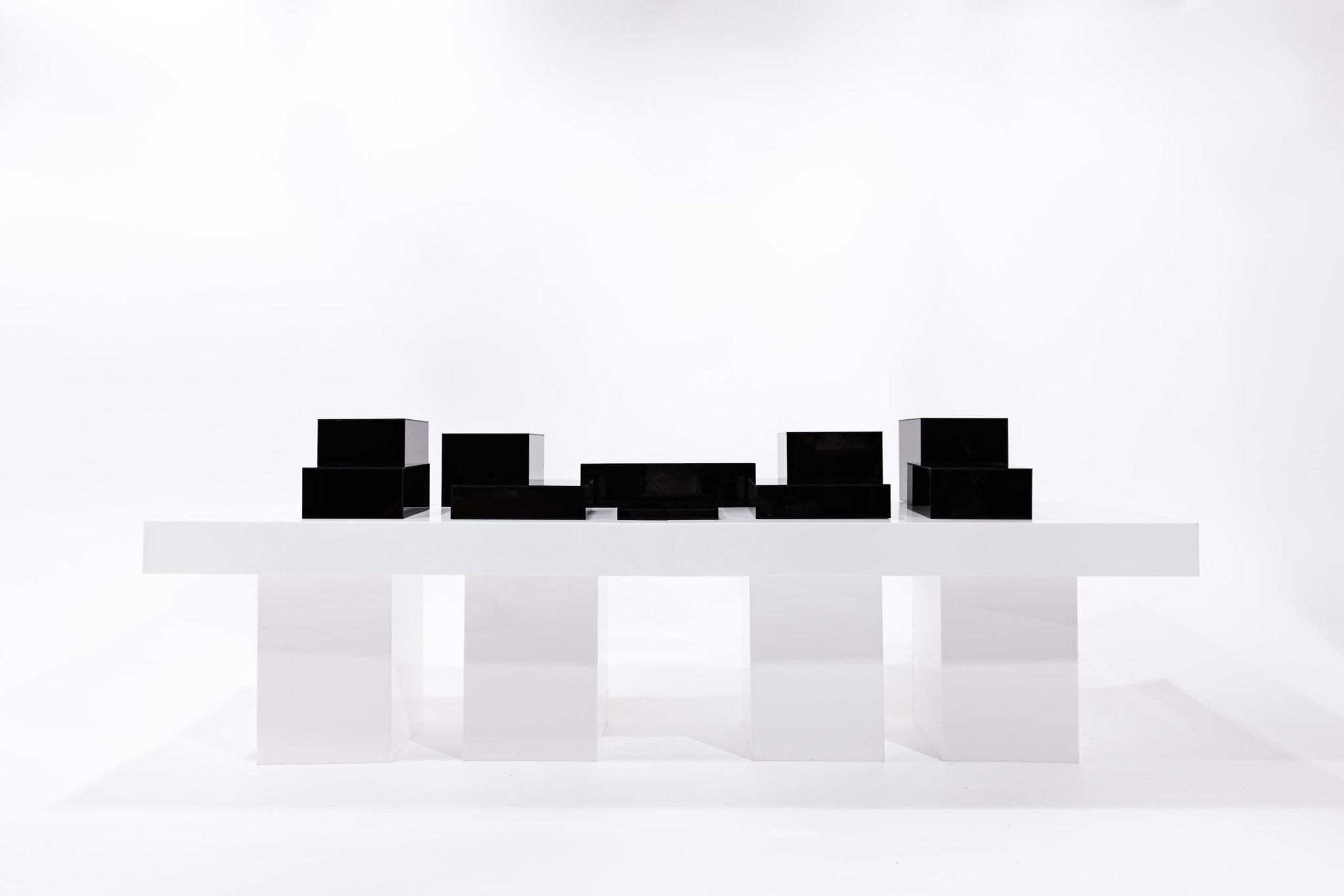
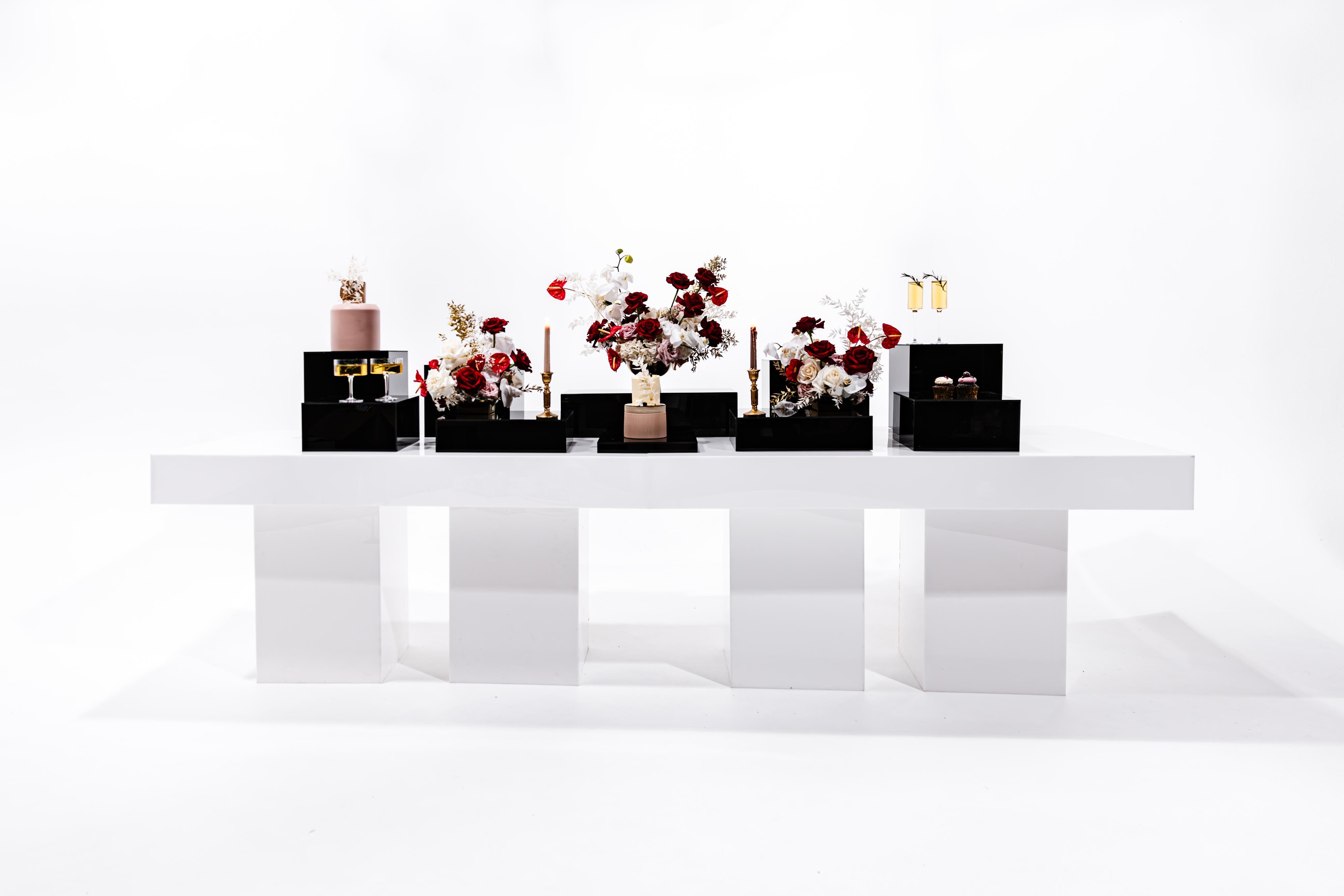
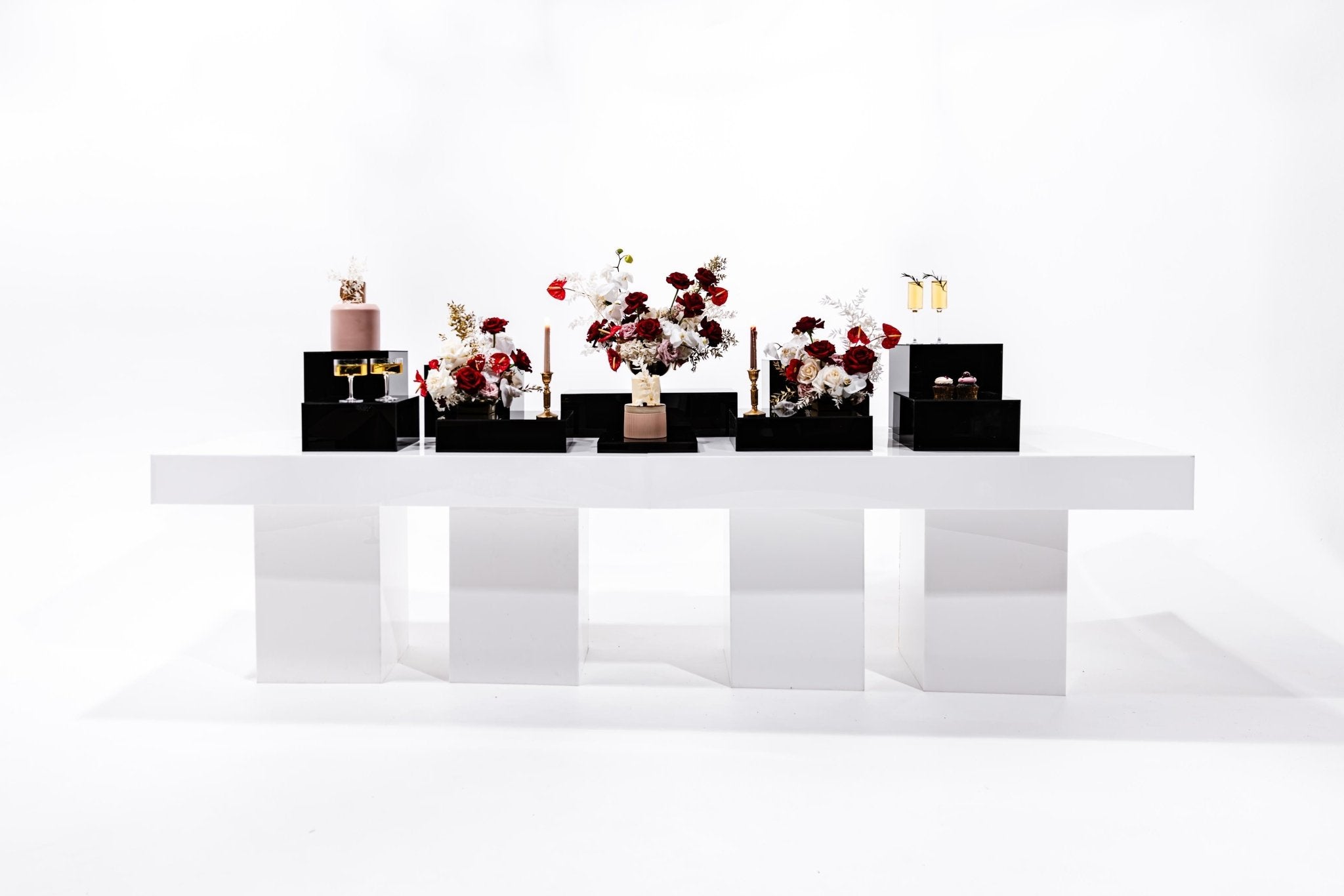
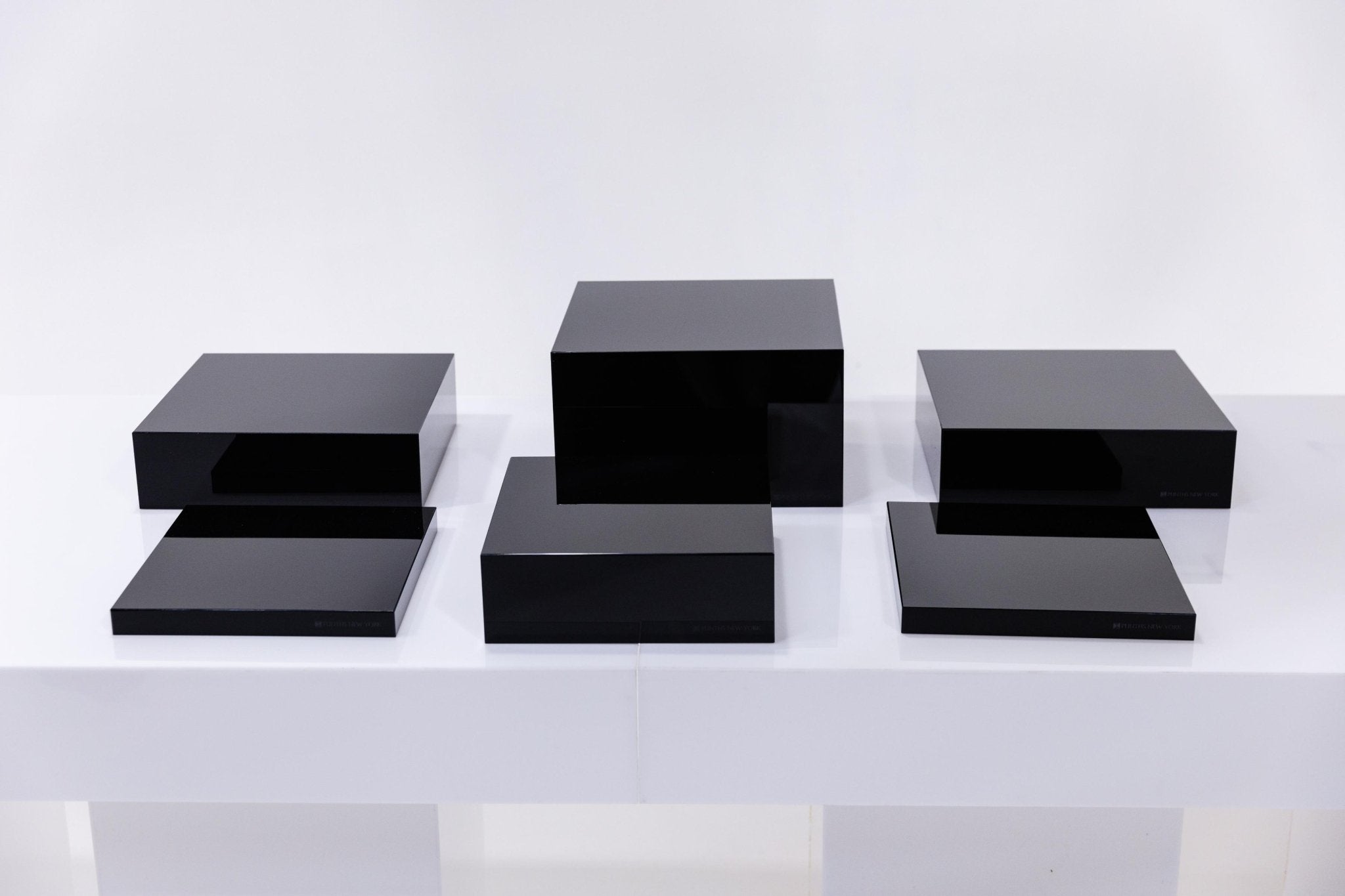
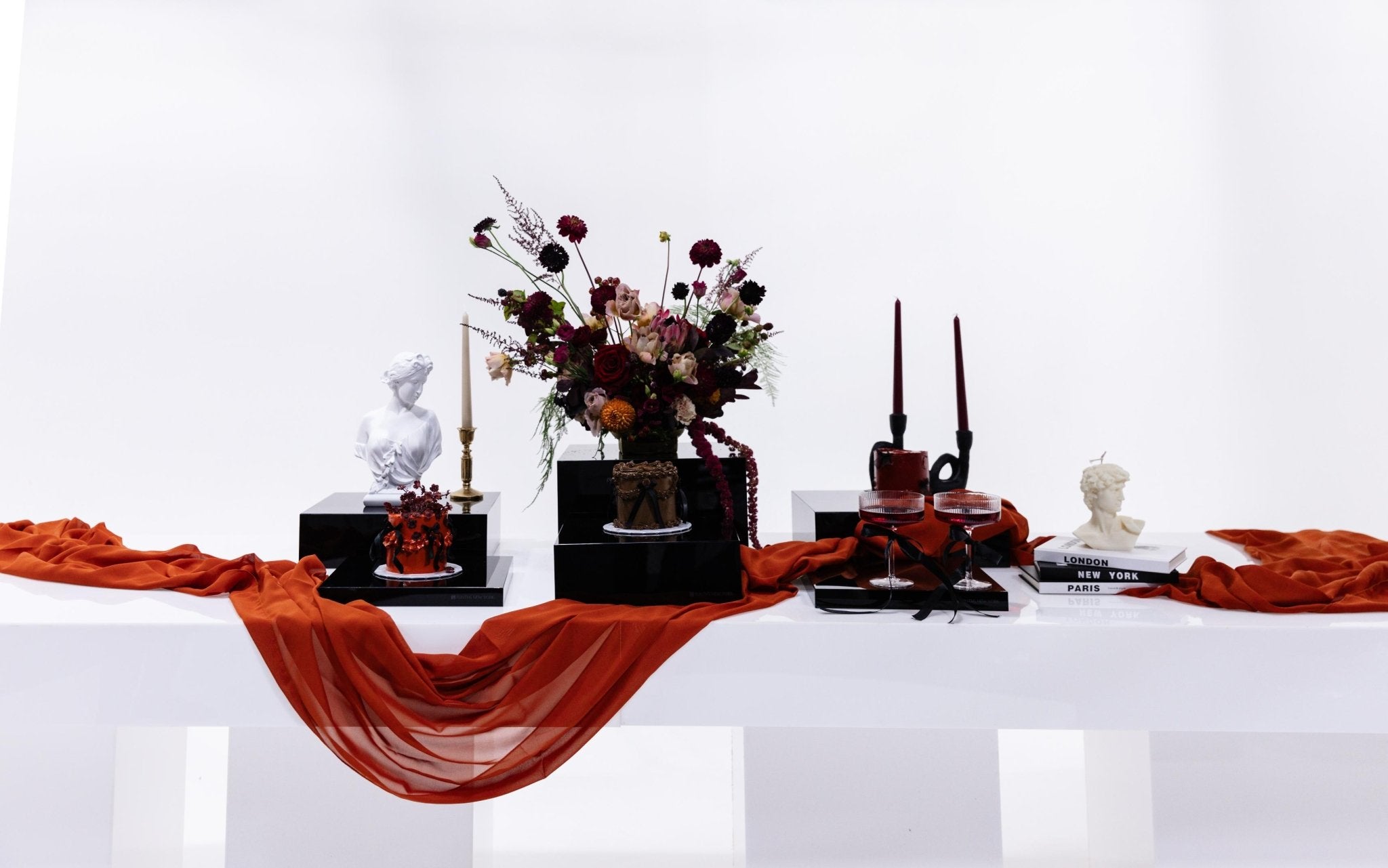
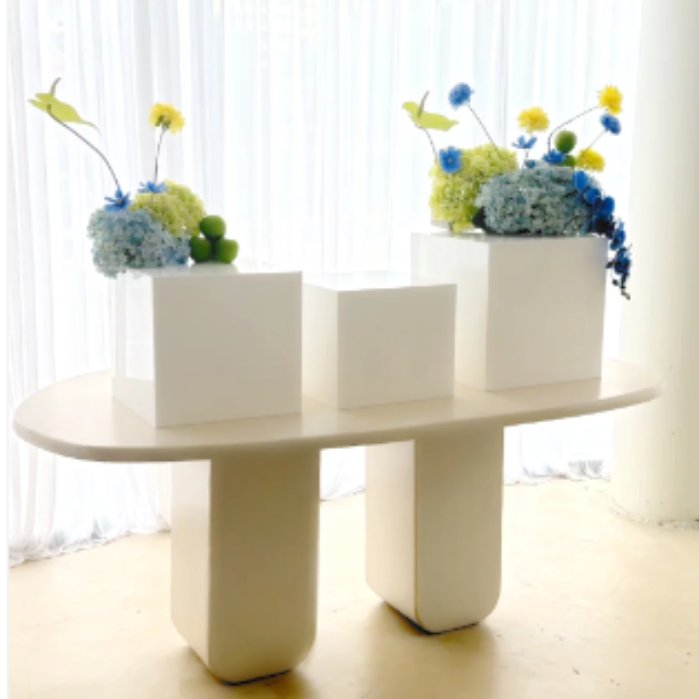
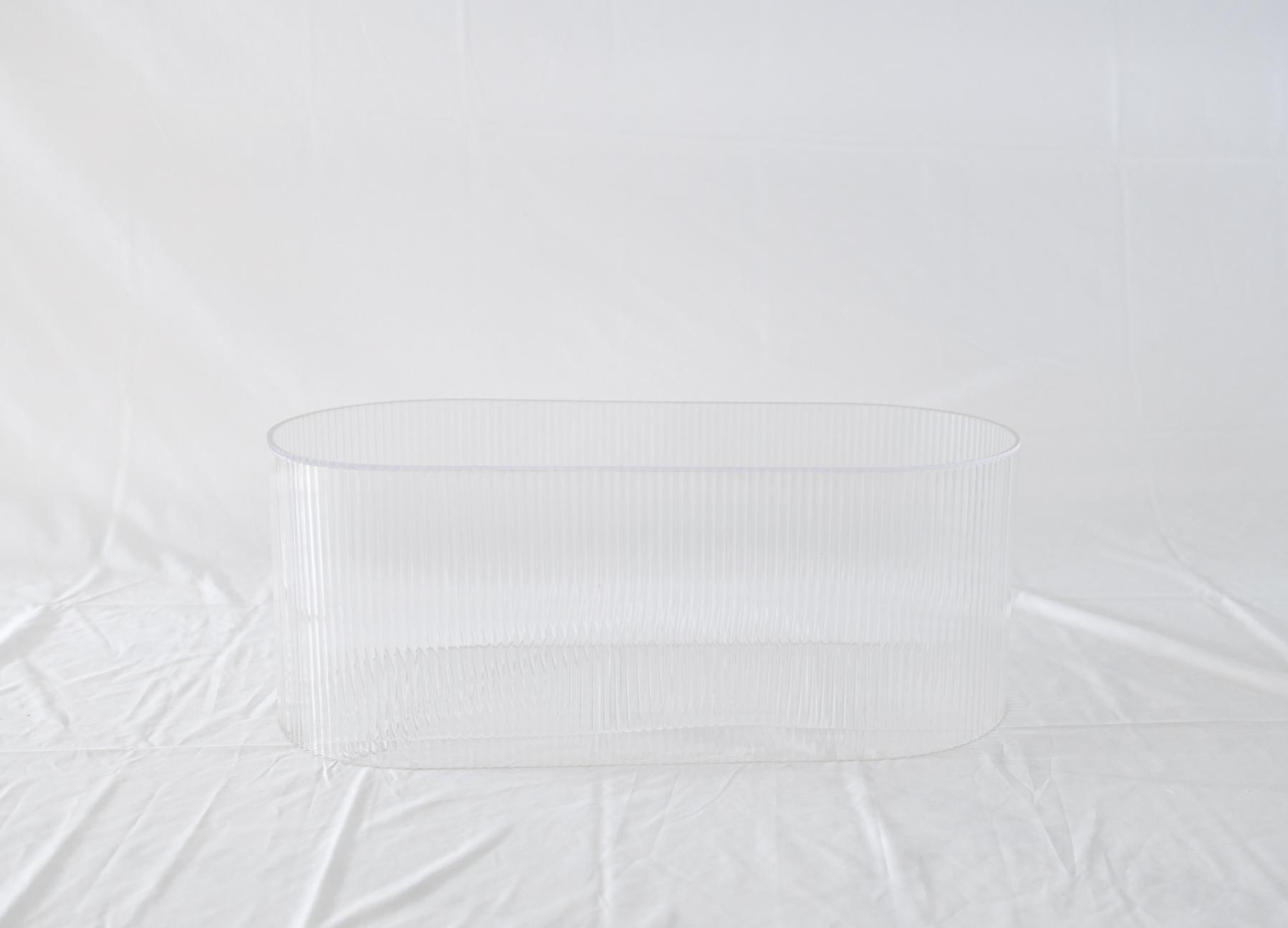
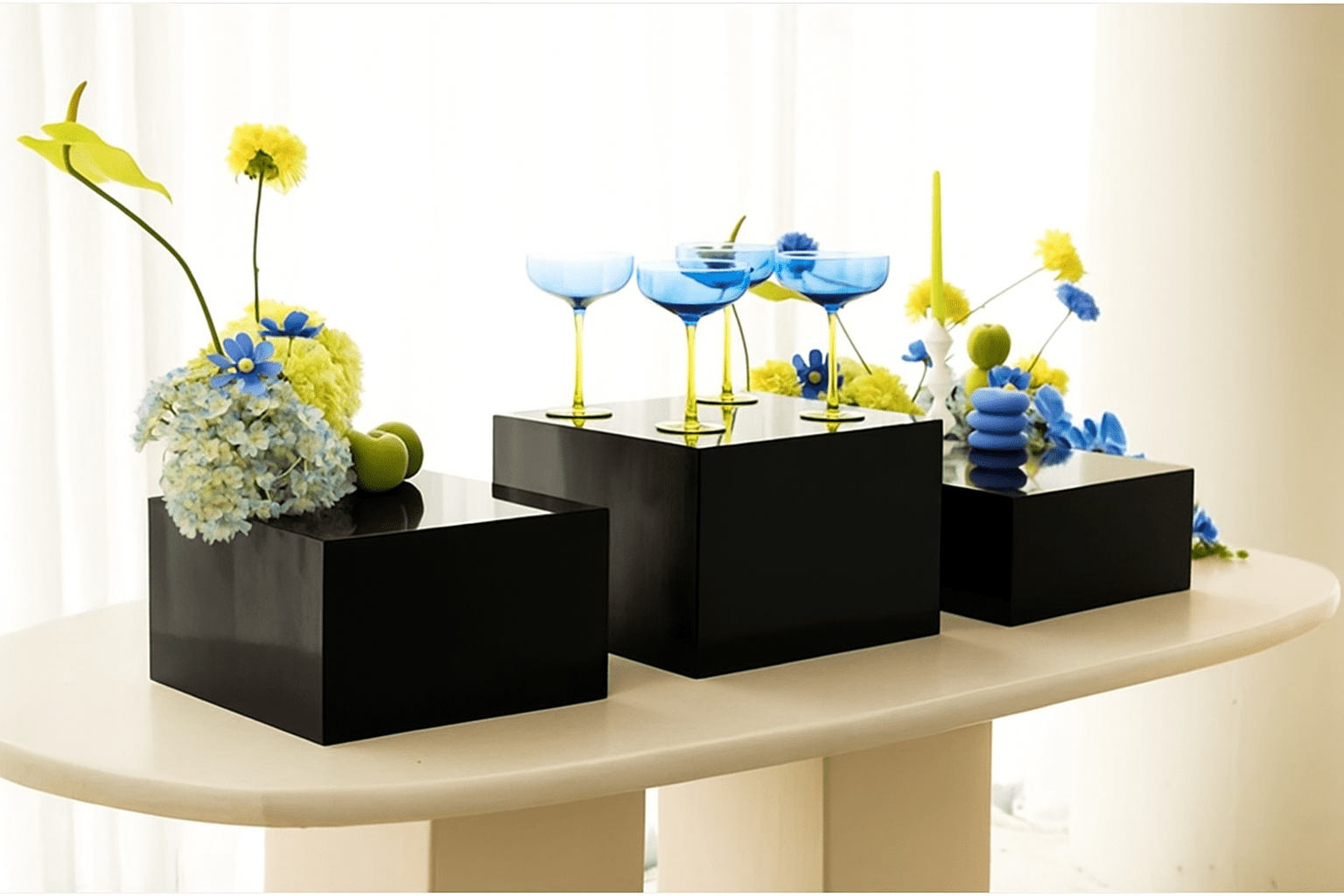
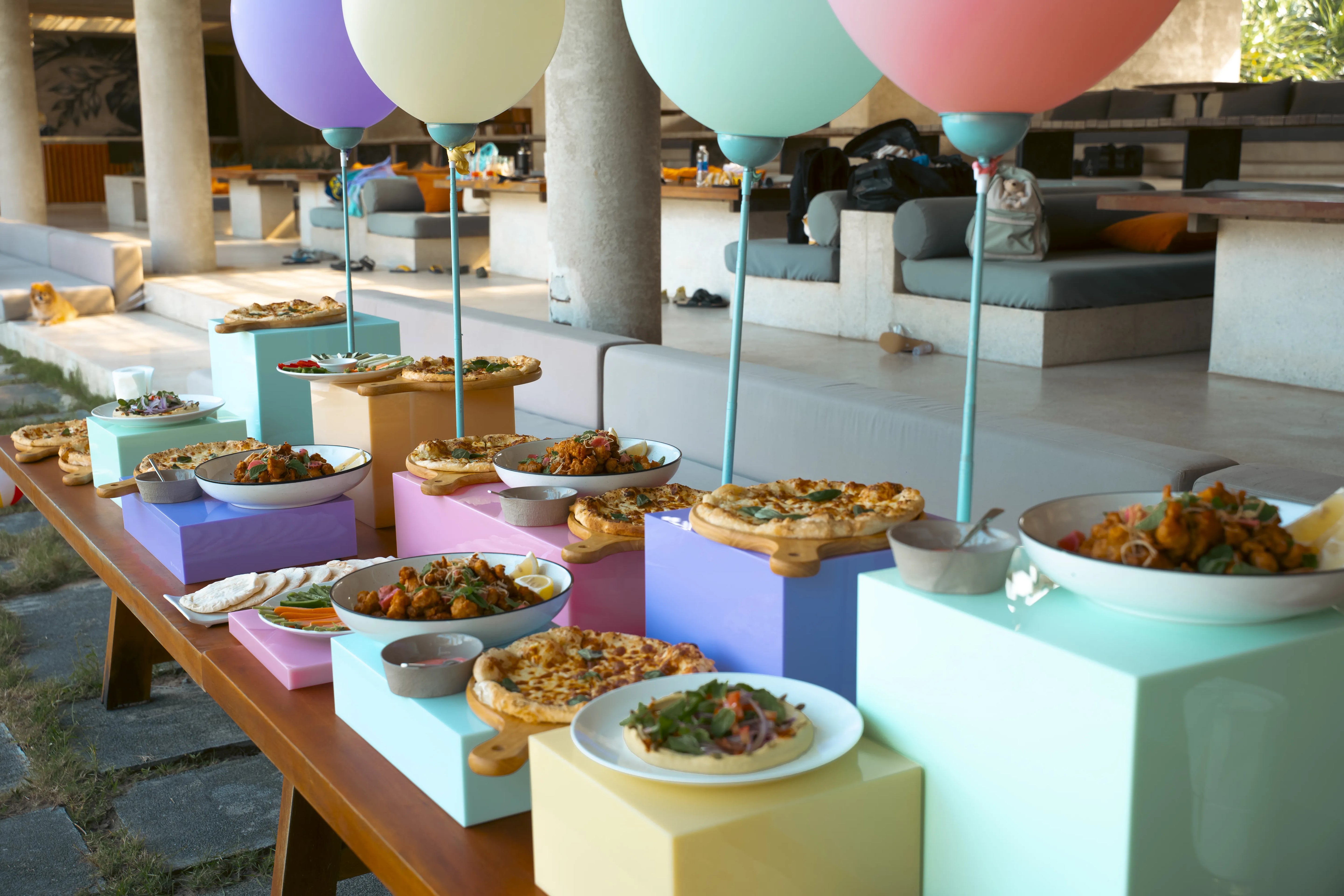
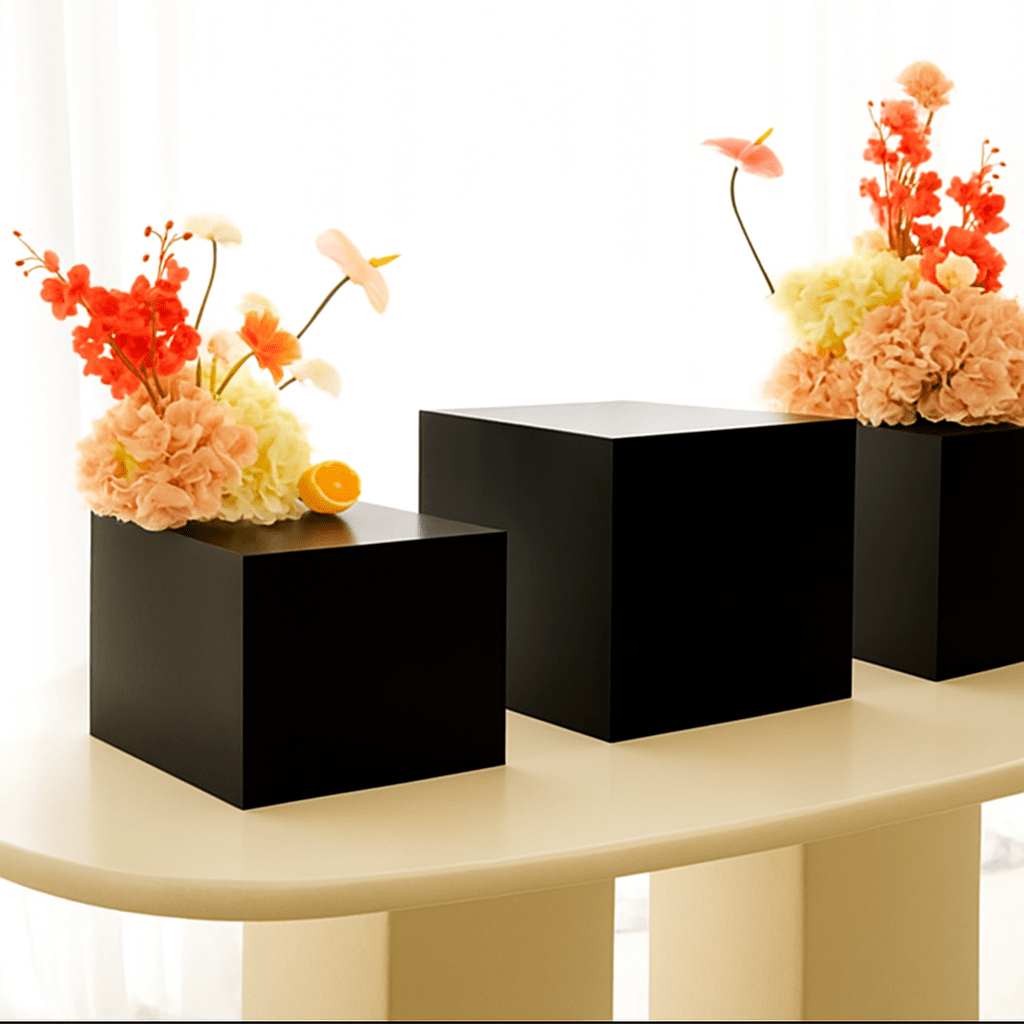
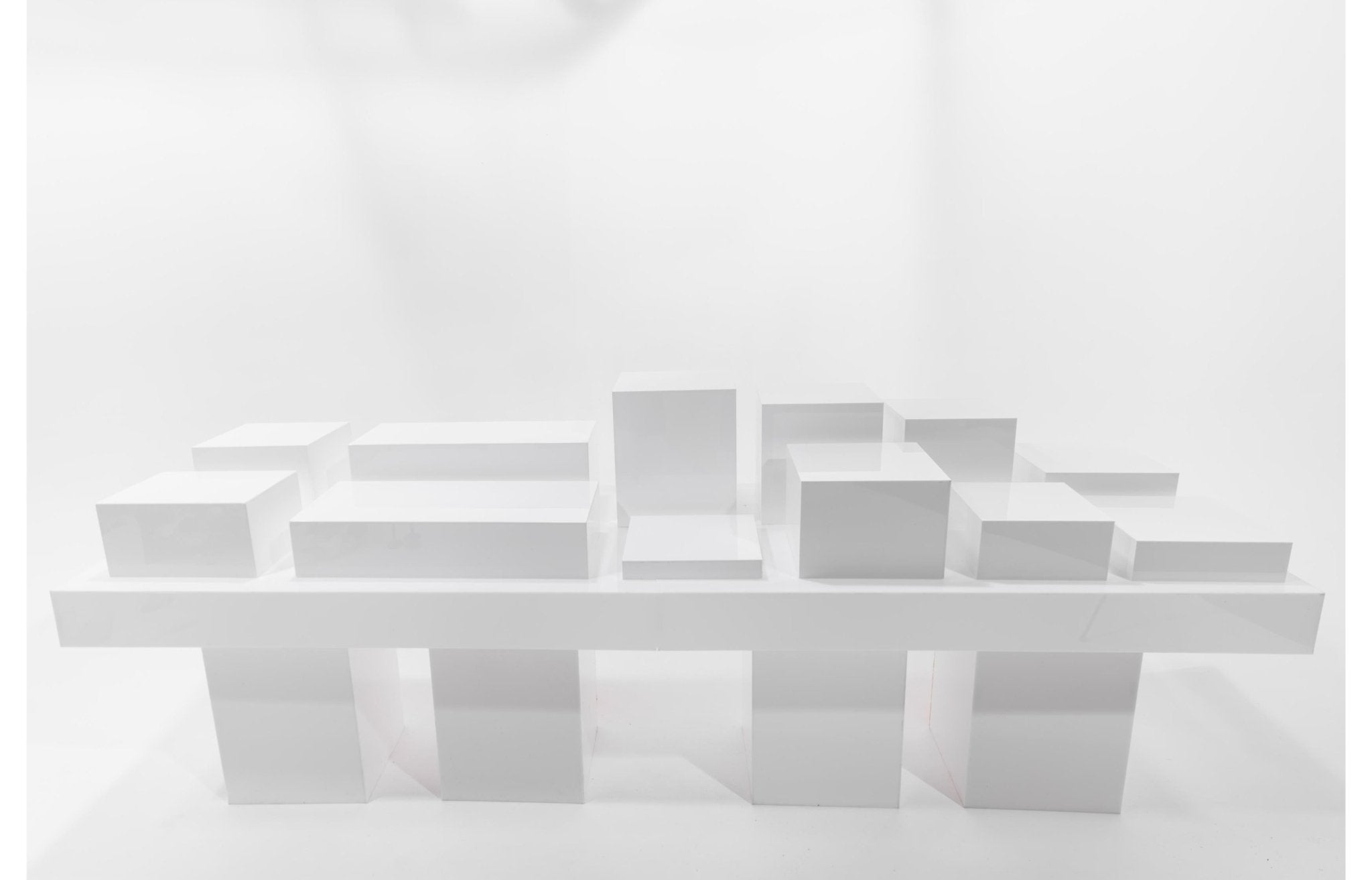
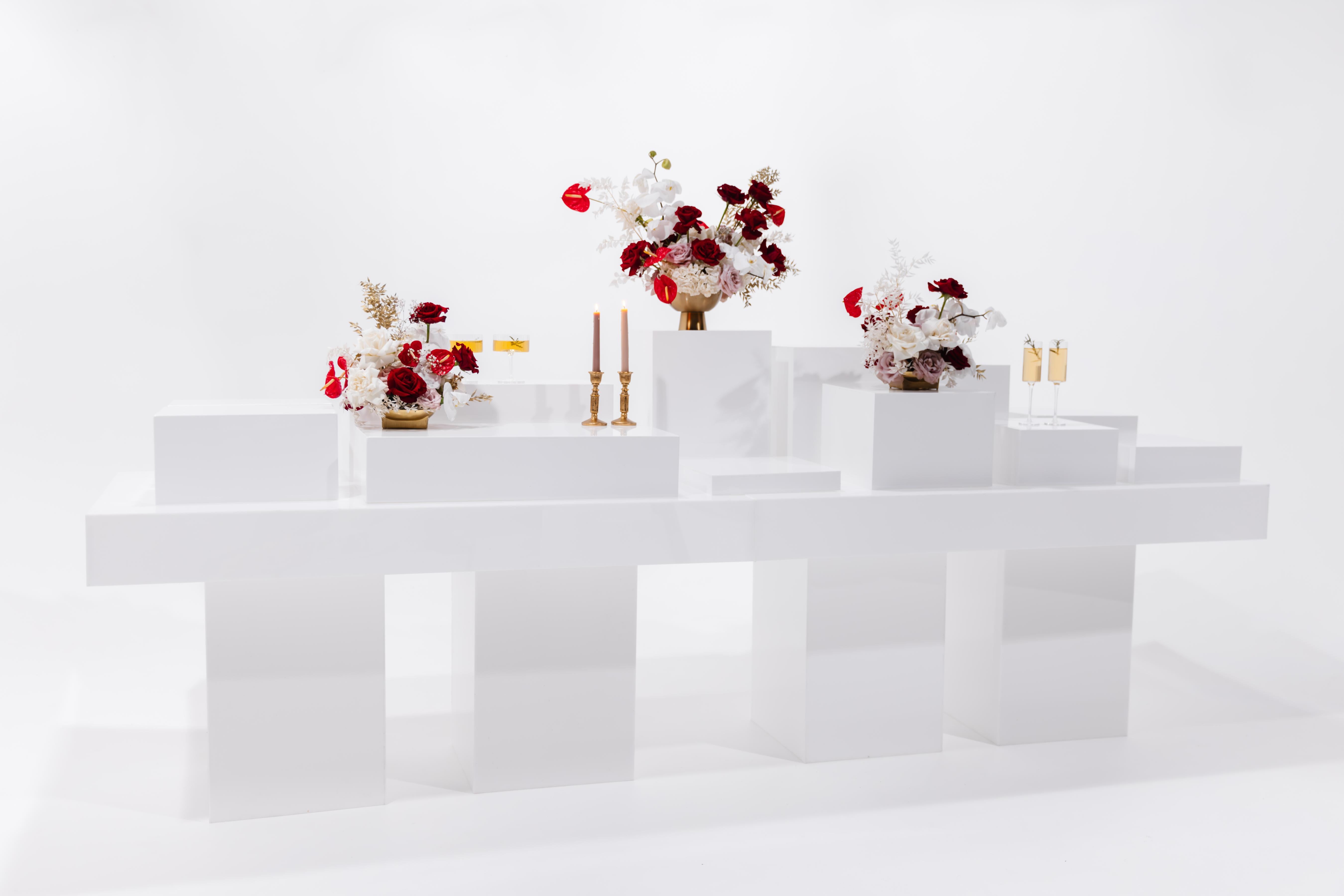
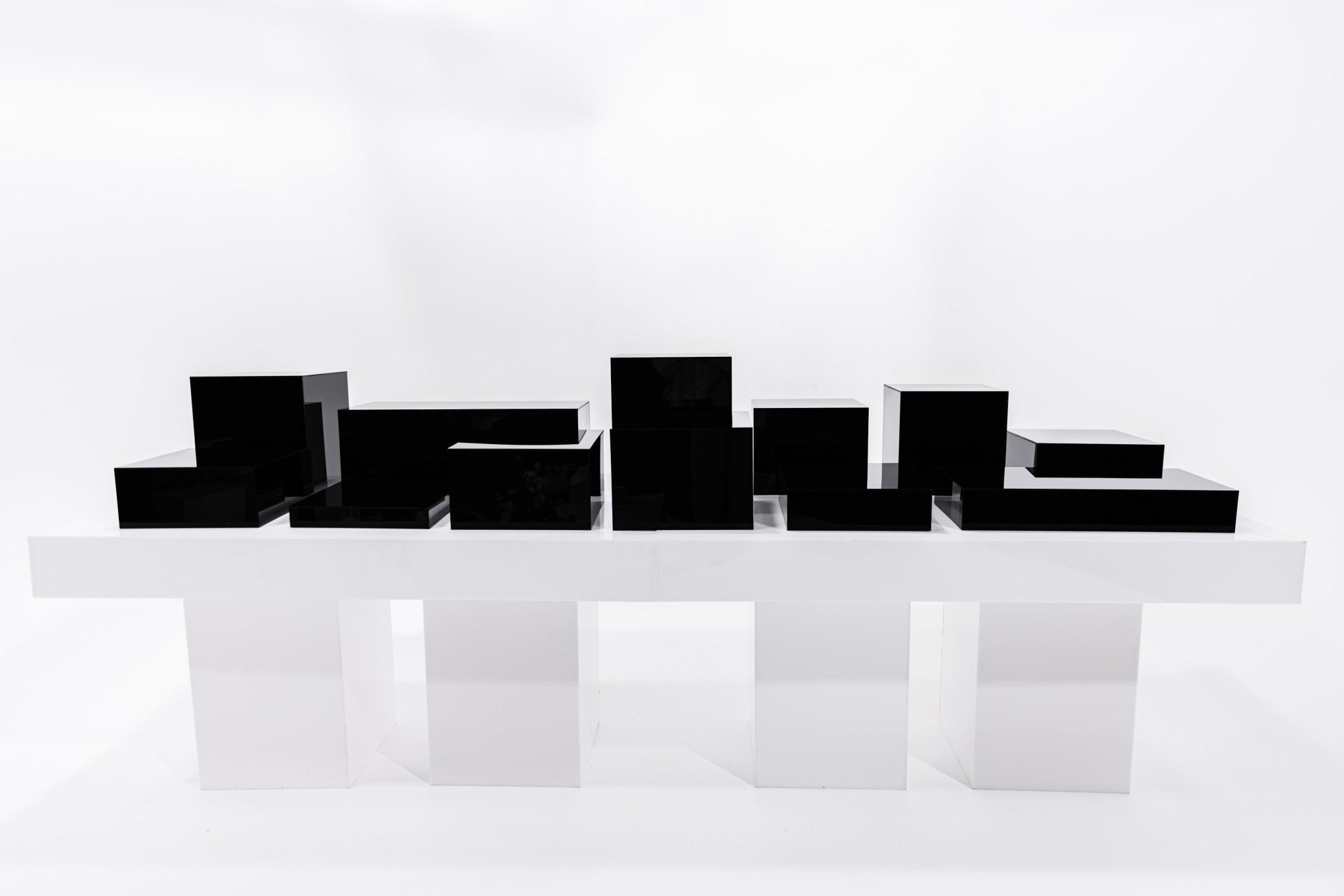
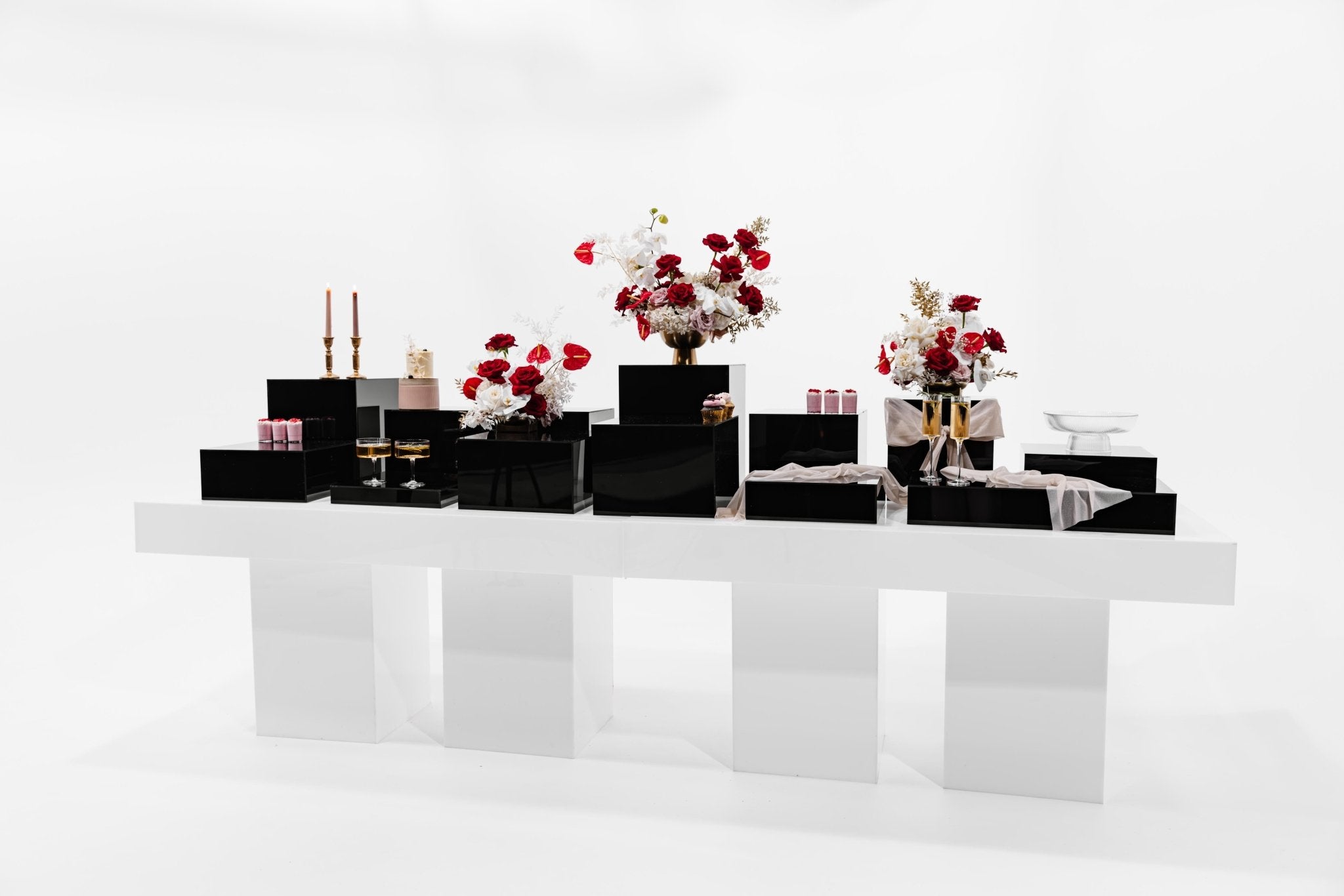
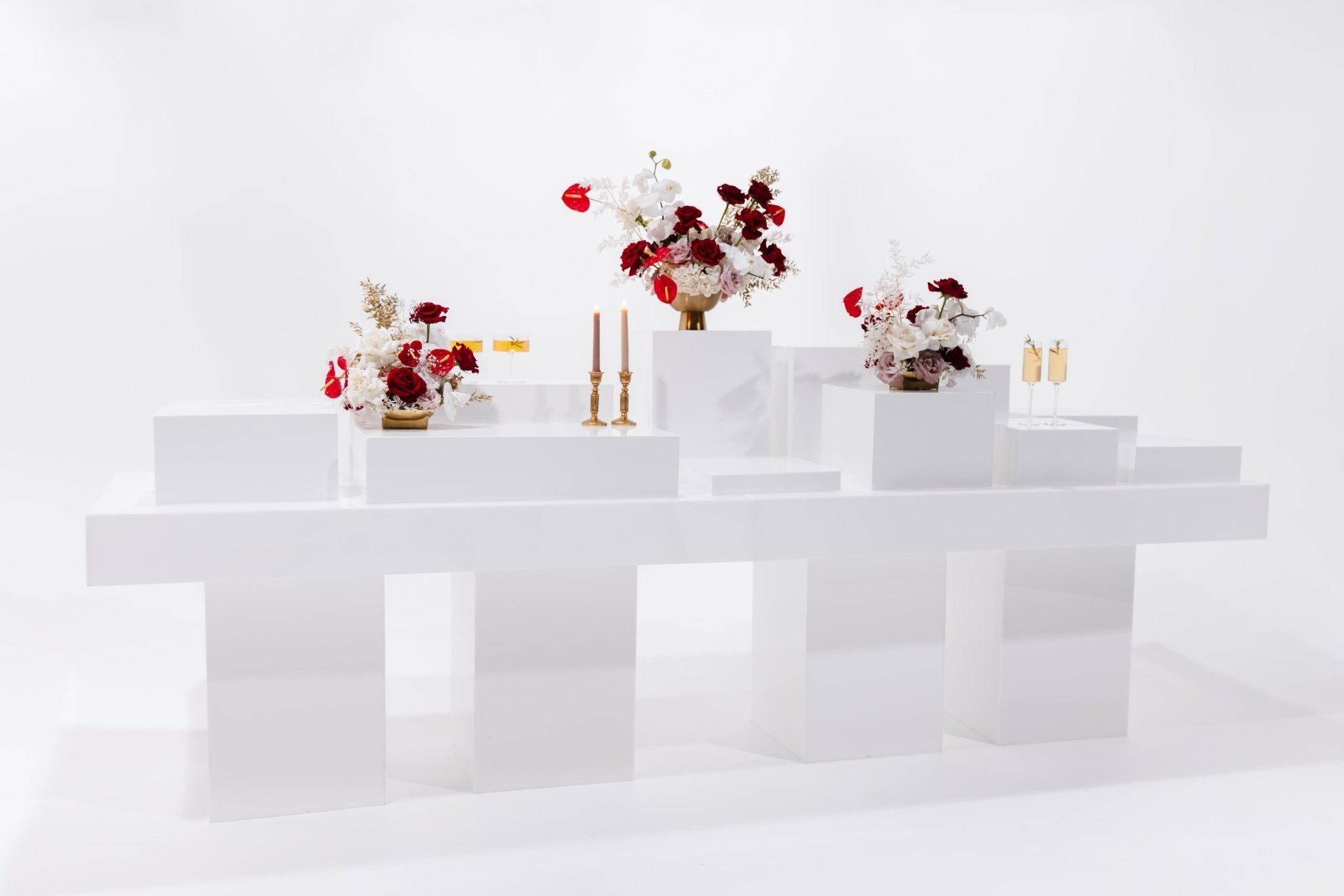
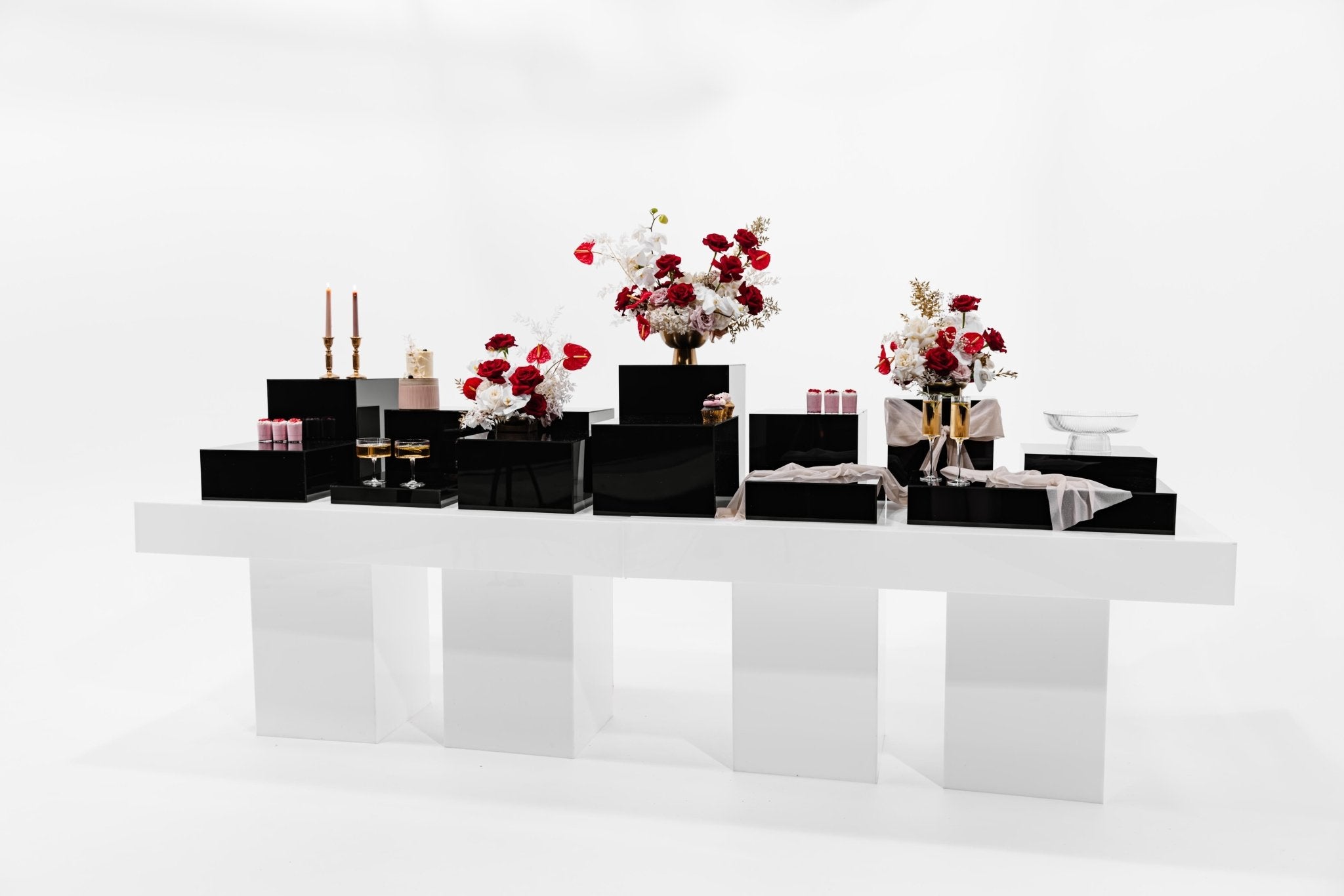
Food risers lift platters, bowls and serving dishes above the table, so a buffet has several levels instead of one flat row. Caterers use them to build tiers, keep every dish in view and draw guests along the line. Taller display pieces, usually 12 inches and up, are called plinths. Read what acrylic risers are.
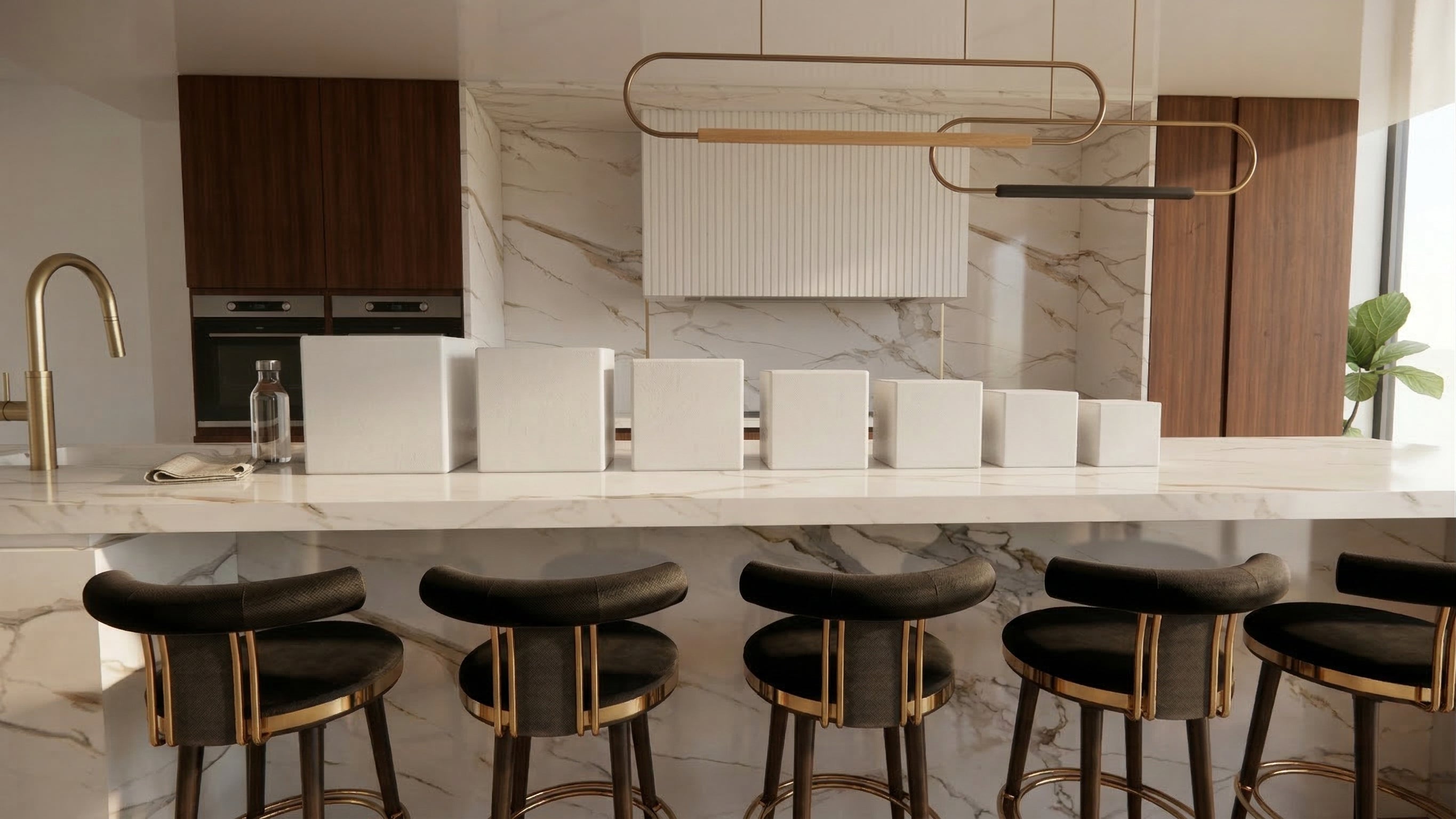
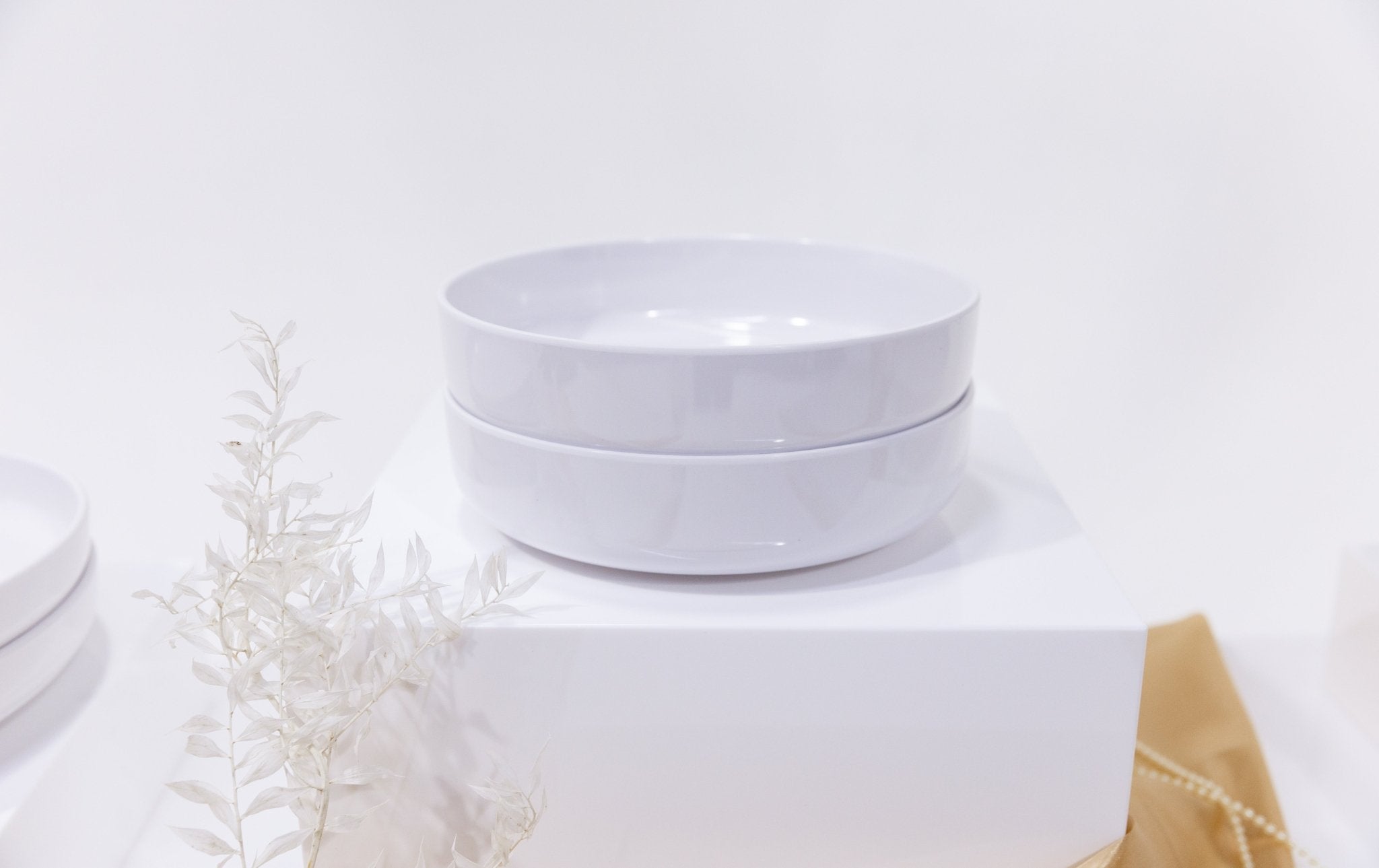
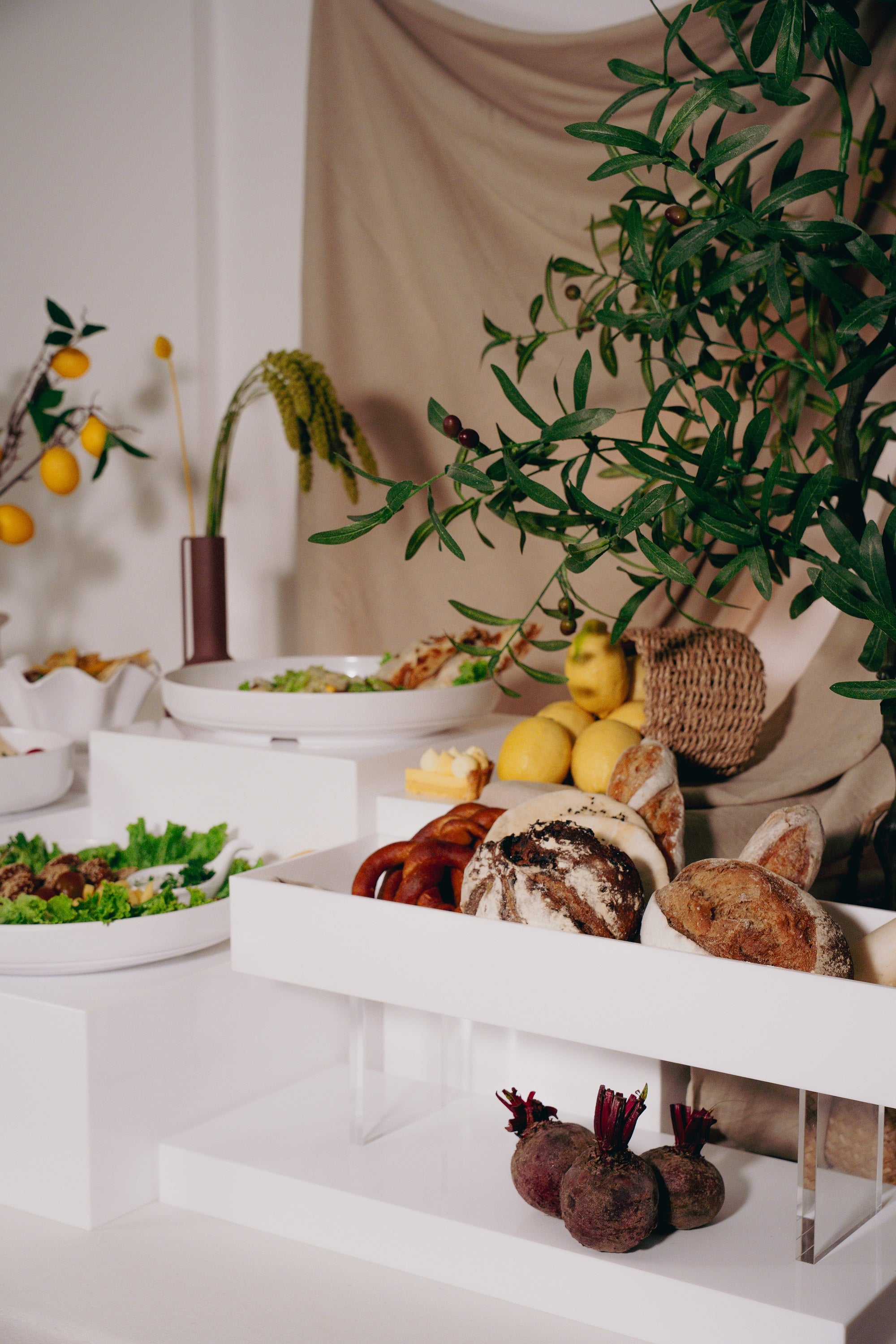
Plan three to five risers per food station, set at three different heights: one tall piece for the main dish, two mid-height risers for platters or bowls, and one or two low risers at the front. Fewer than three per station looks sparse. Step the heights down toward the guest so every dish stays in view.
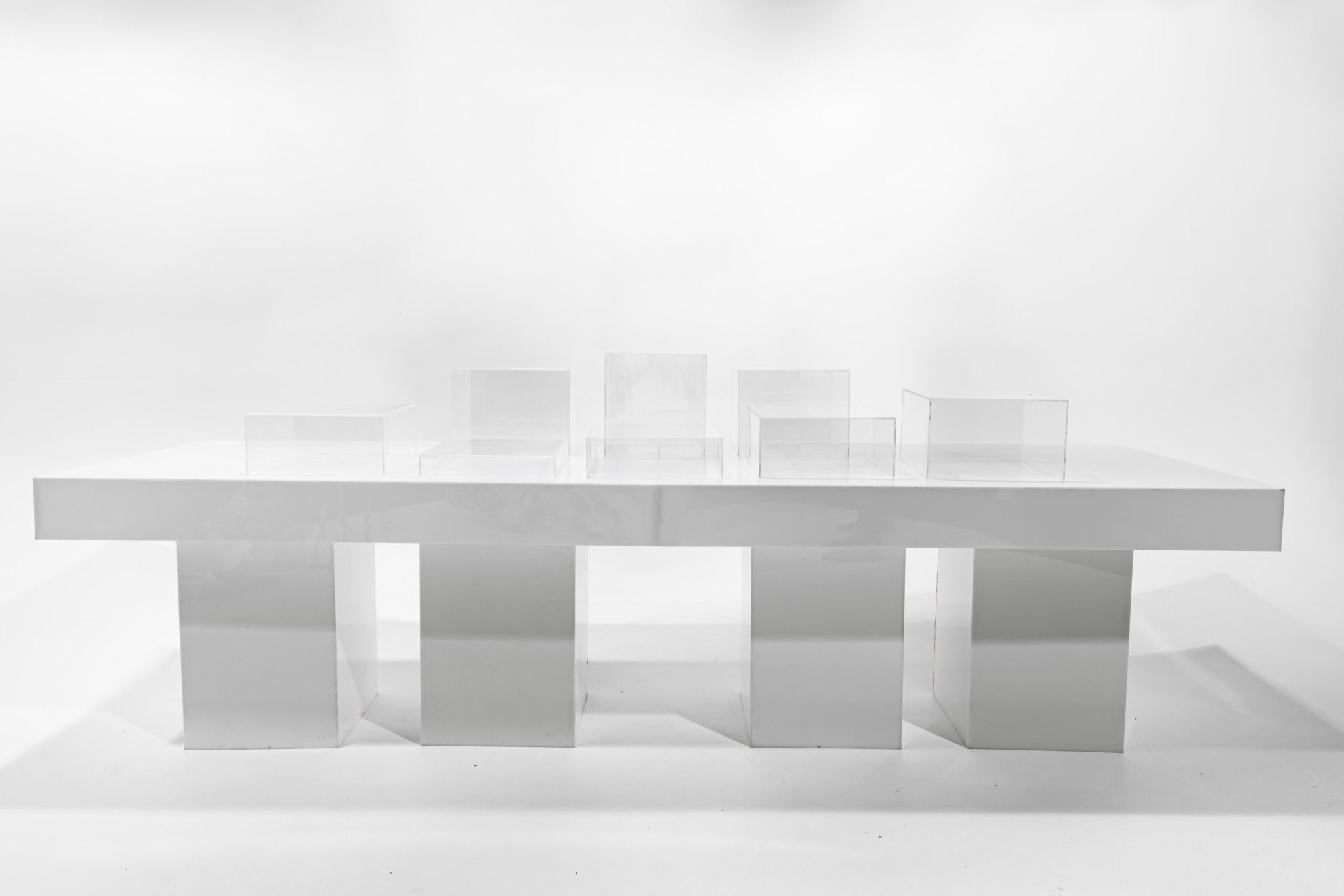
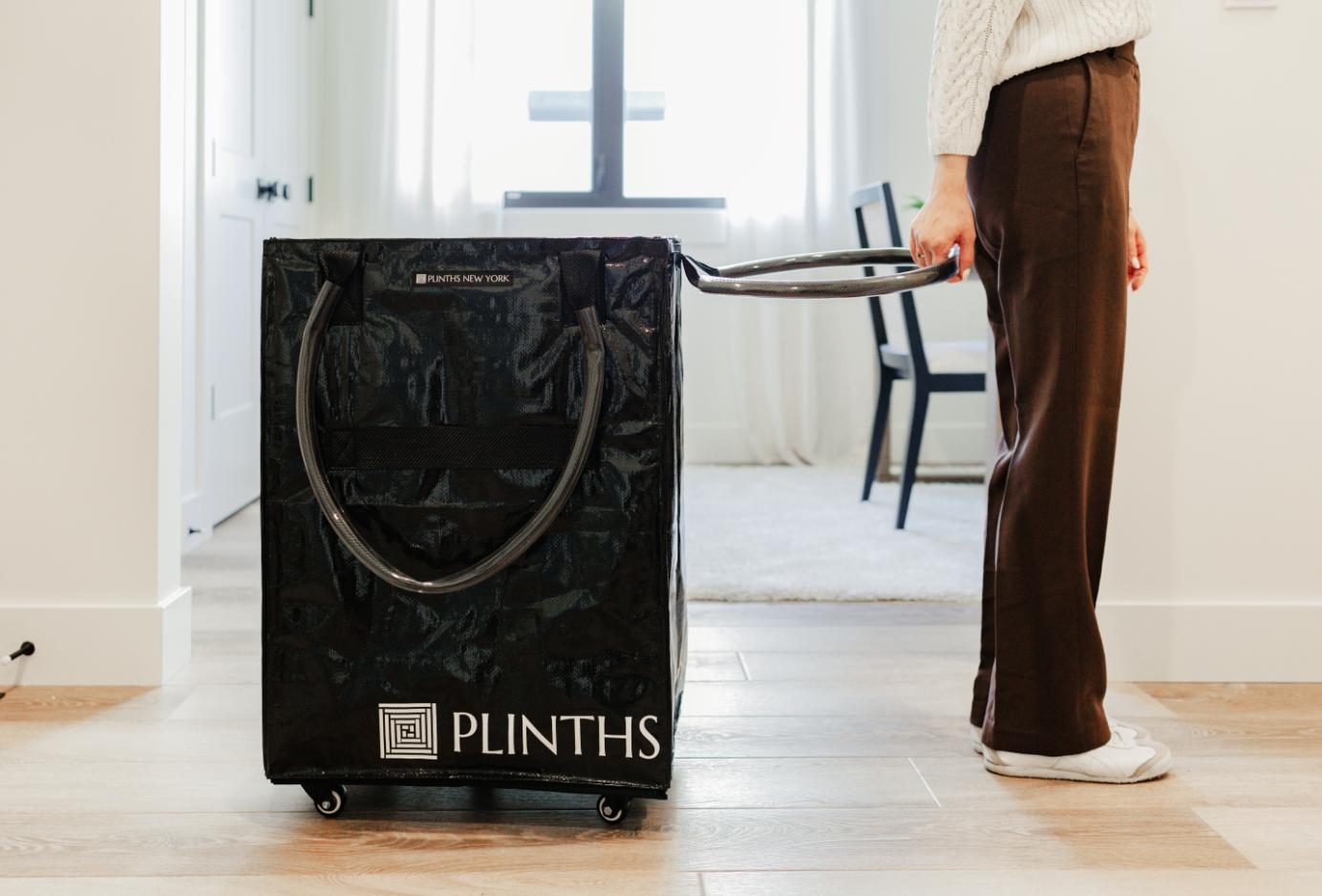
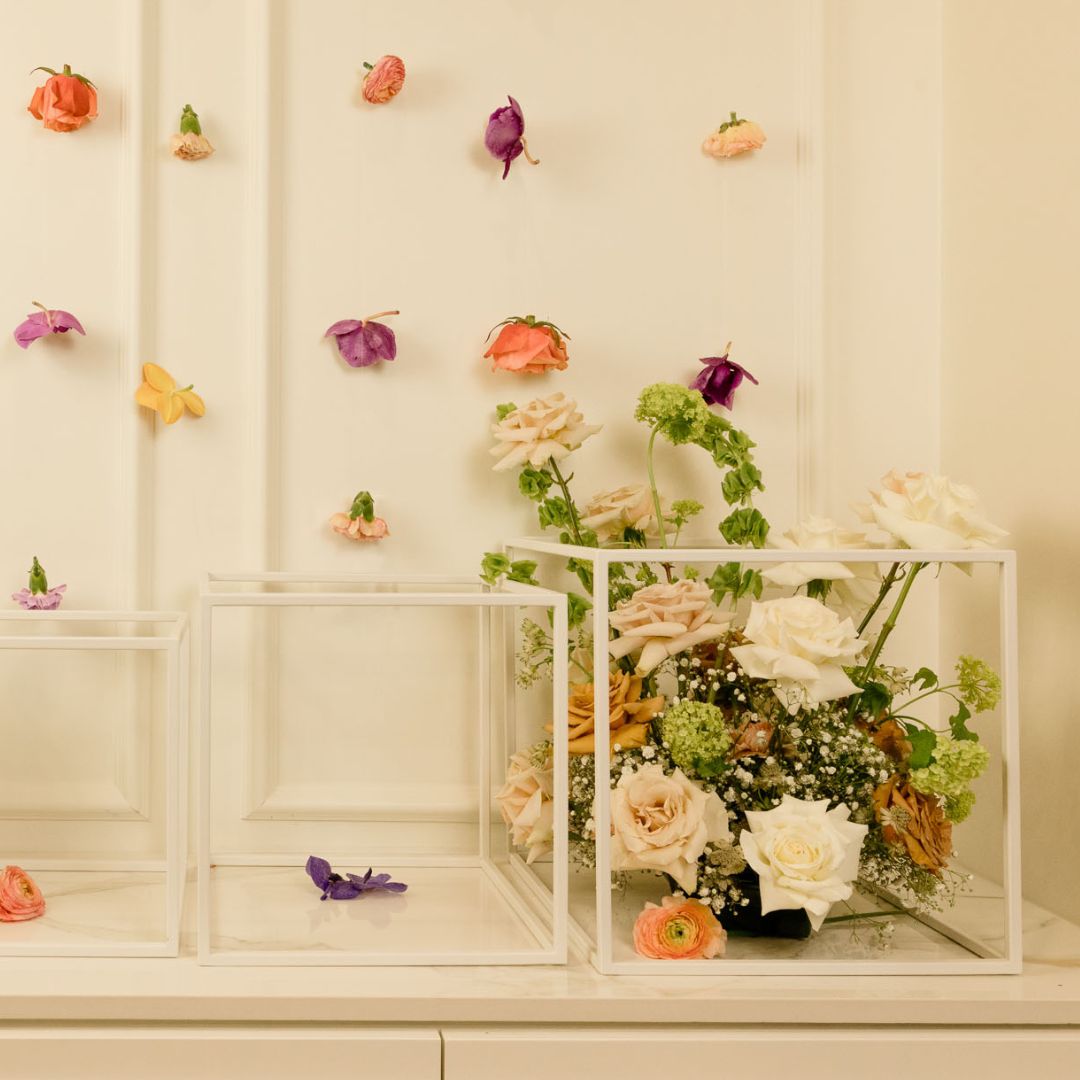
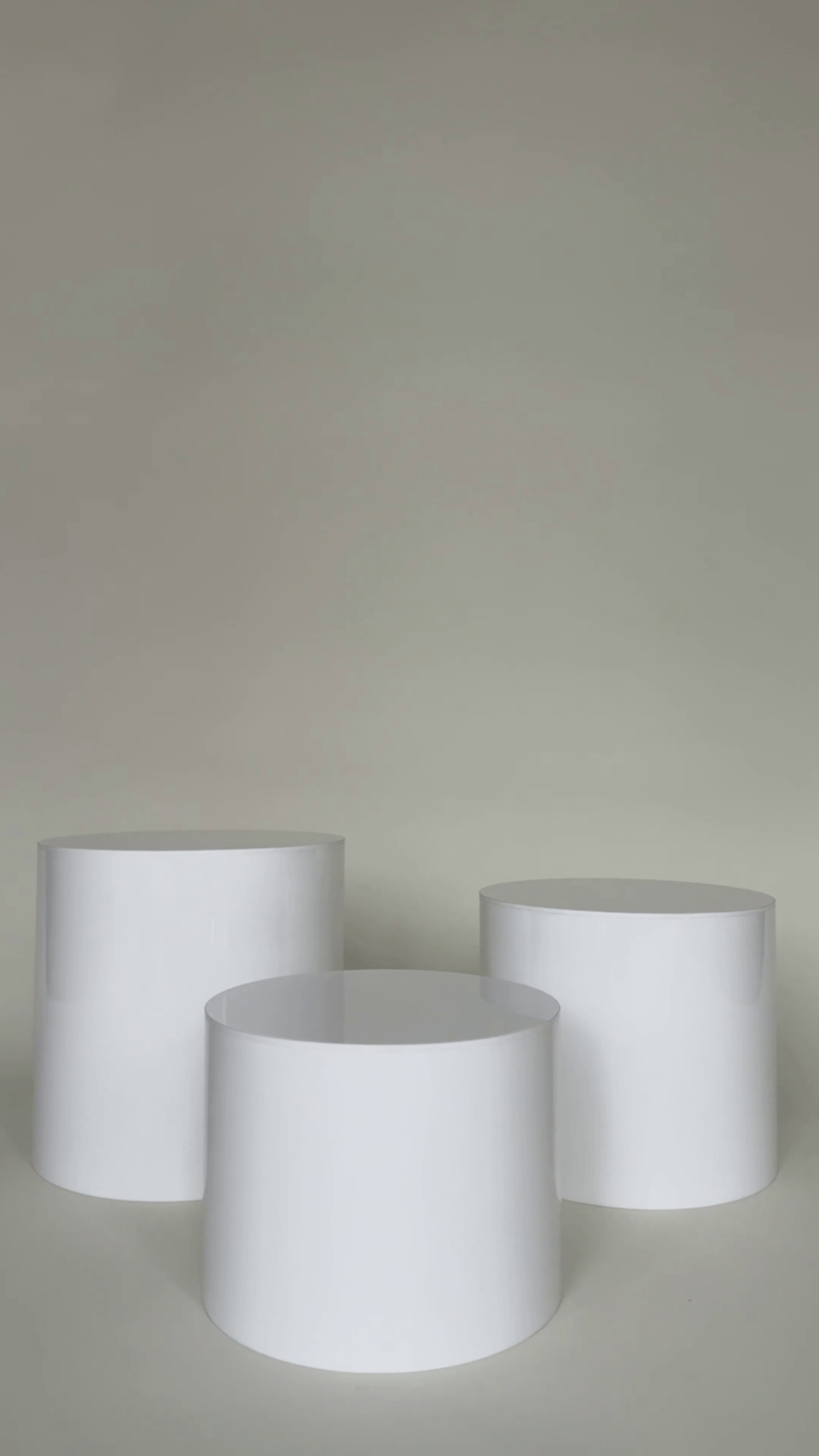
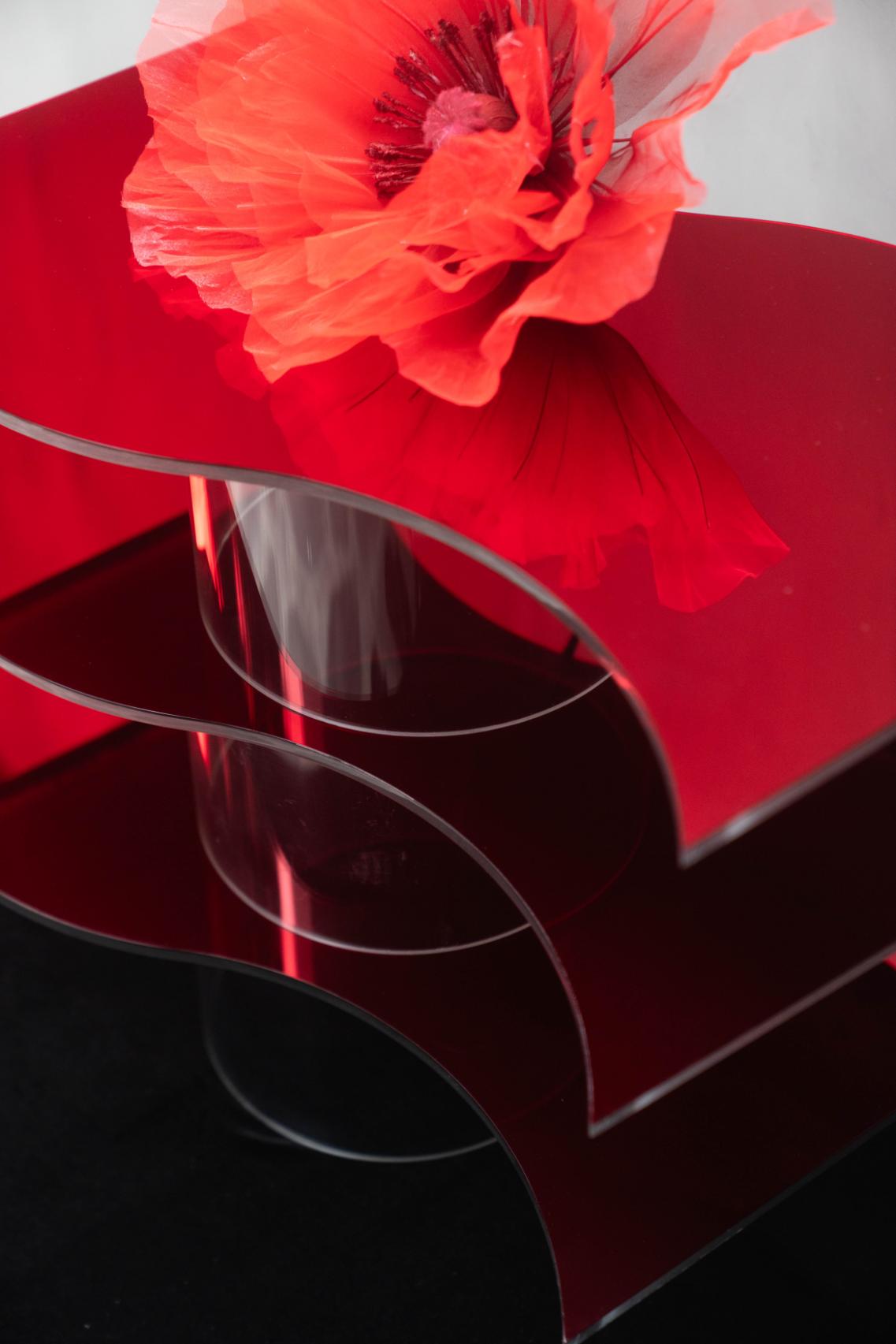
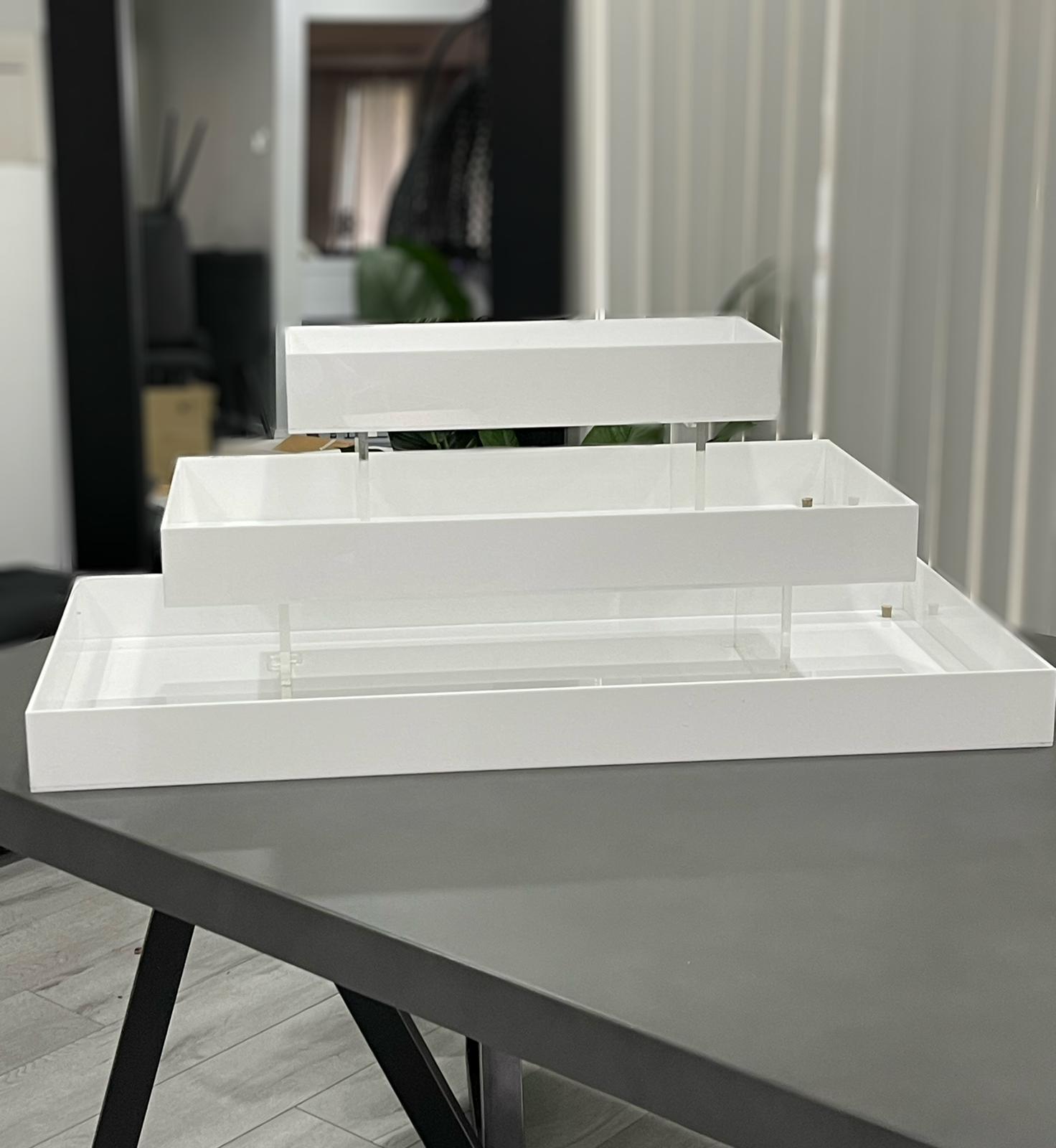
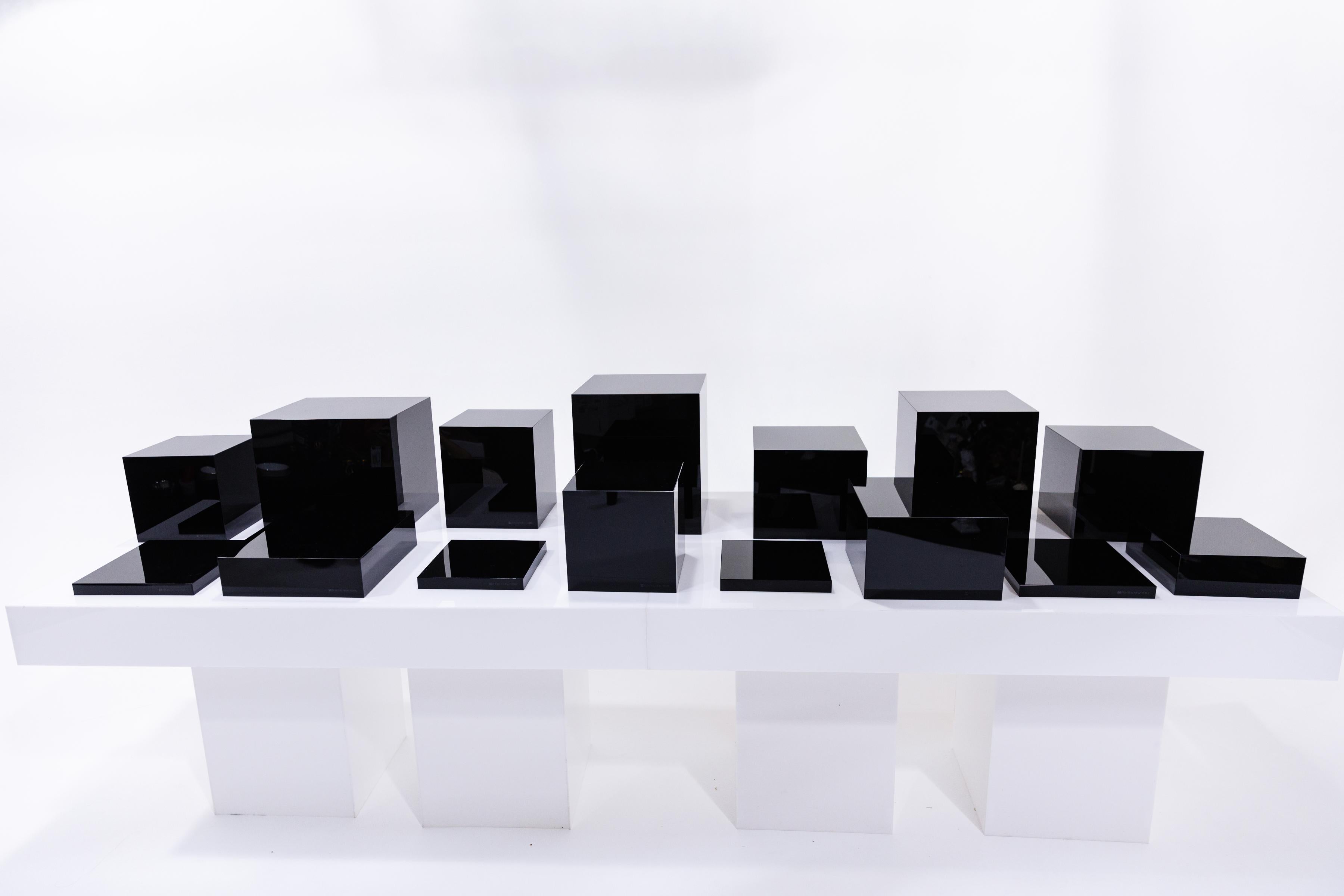
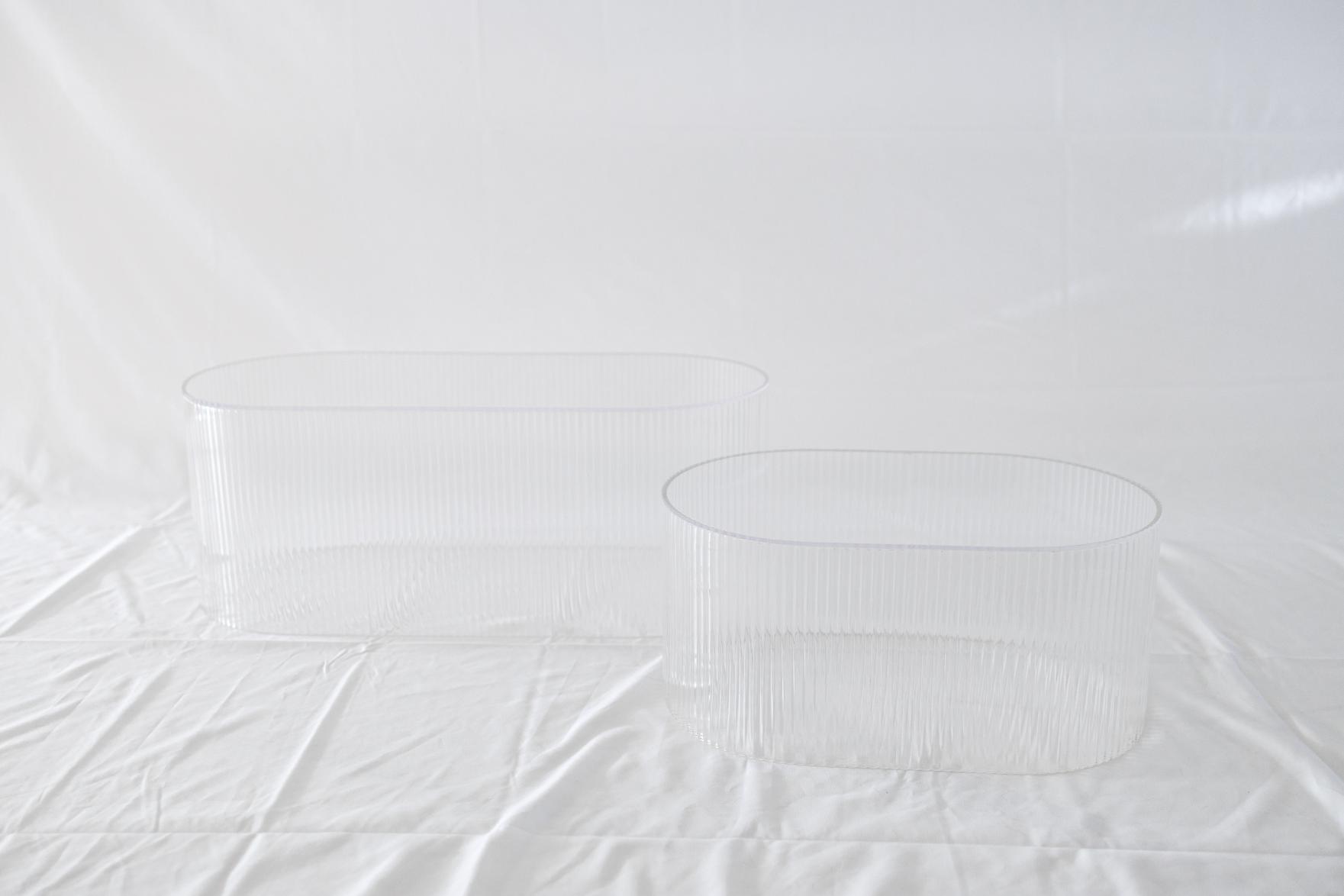
Acrylic suits catering because it travels between venues. Glass can chip or break in transit and is heavier to carry. Acrylic risers stack and nest inside each other for transport, clean with warm water and mild soap using a soft cloth, and come in clear, white and black. Glass suits fixed retail displays that rarely move.
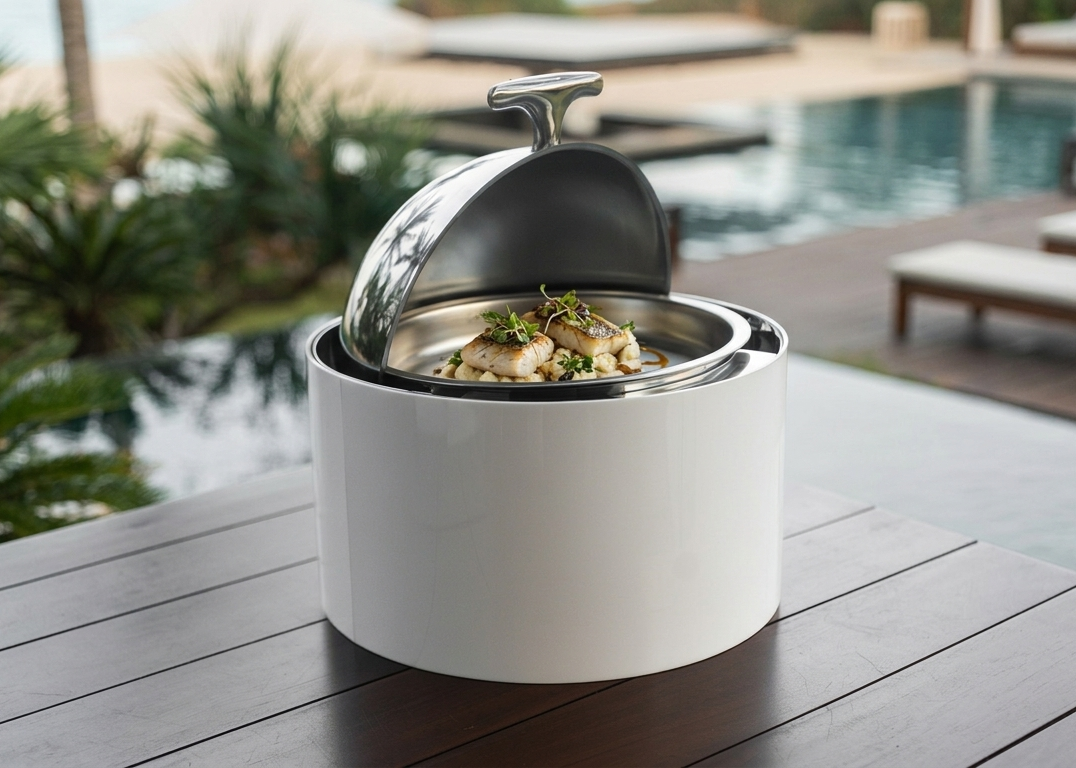
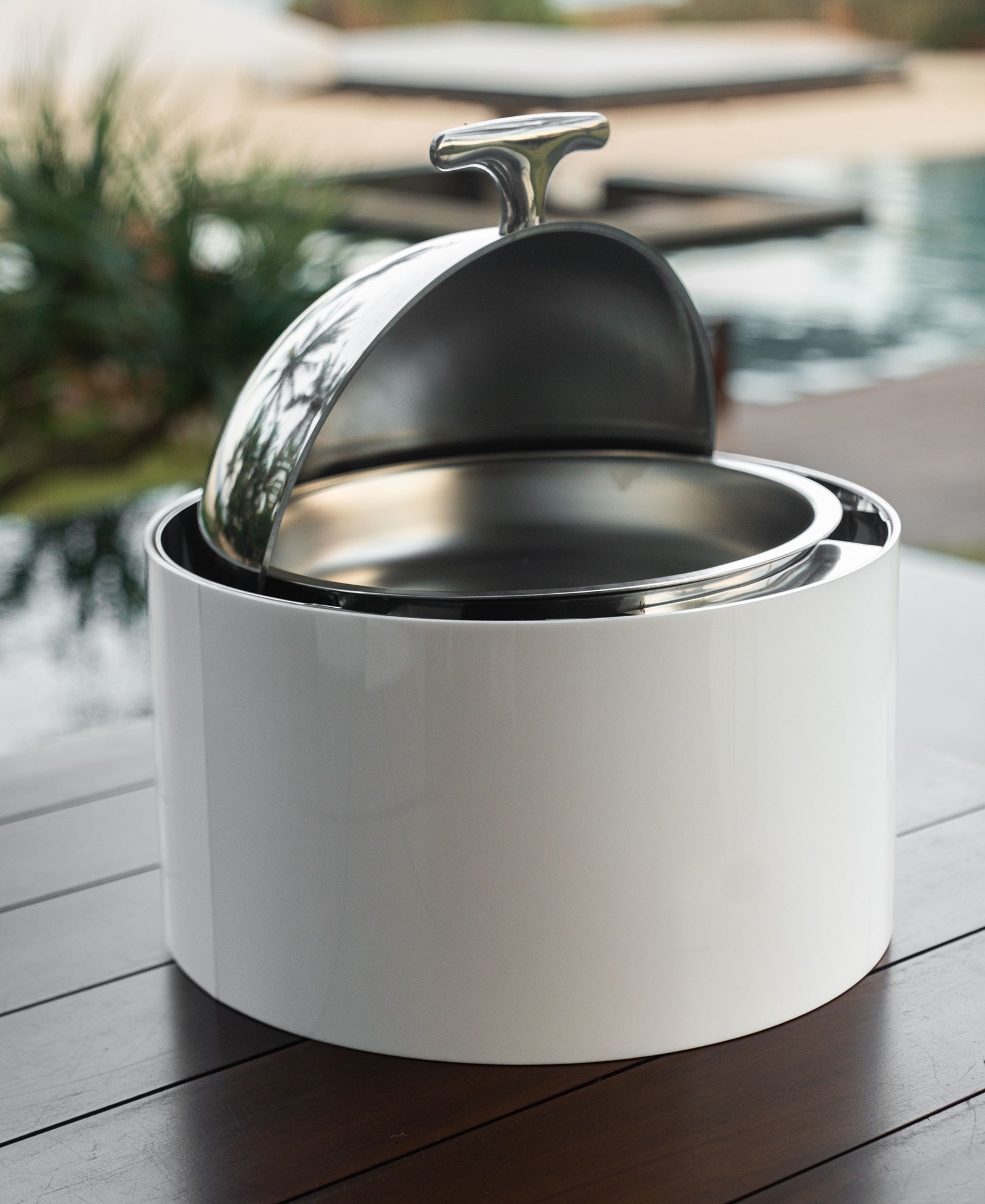
Keep chafing dishes on the table in their own frames, and use acrylic risers around them for cold platters, breads, garnishes and desserts. Keep lit fuel cans and pans straight from the oven off the acrylic. That way the hot station stays stable and low, and the risers add height to everything served alongside it.
Clean them with warm water and mild soap using a soft cloth, then dry them with a second clean cloth to avoid water spots. Avoid abrasive pads and harsh chemical cleaners, which can scratch or cloud the surface. Wipe each piece after service, before food residue dries, and stack them only once they are fully dry.
You can, but homemade risers rarely hold up in professional catering. Books shift under weight, boxes are not food-safe, and both look improvised on camera. Commercial-grade 5mm acrylic risers are food-safe, clean with warm water and mild soap, and nest together for transport between events.