
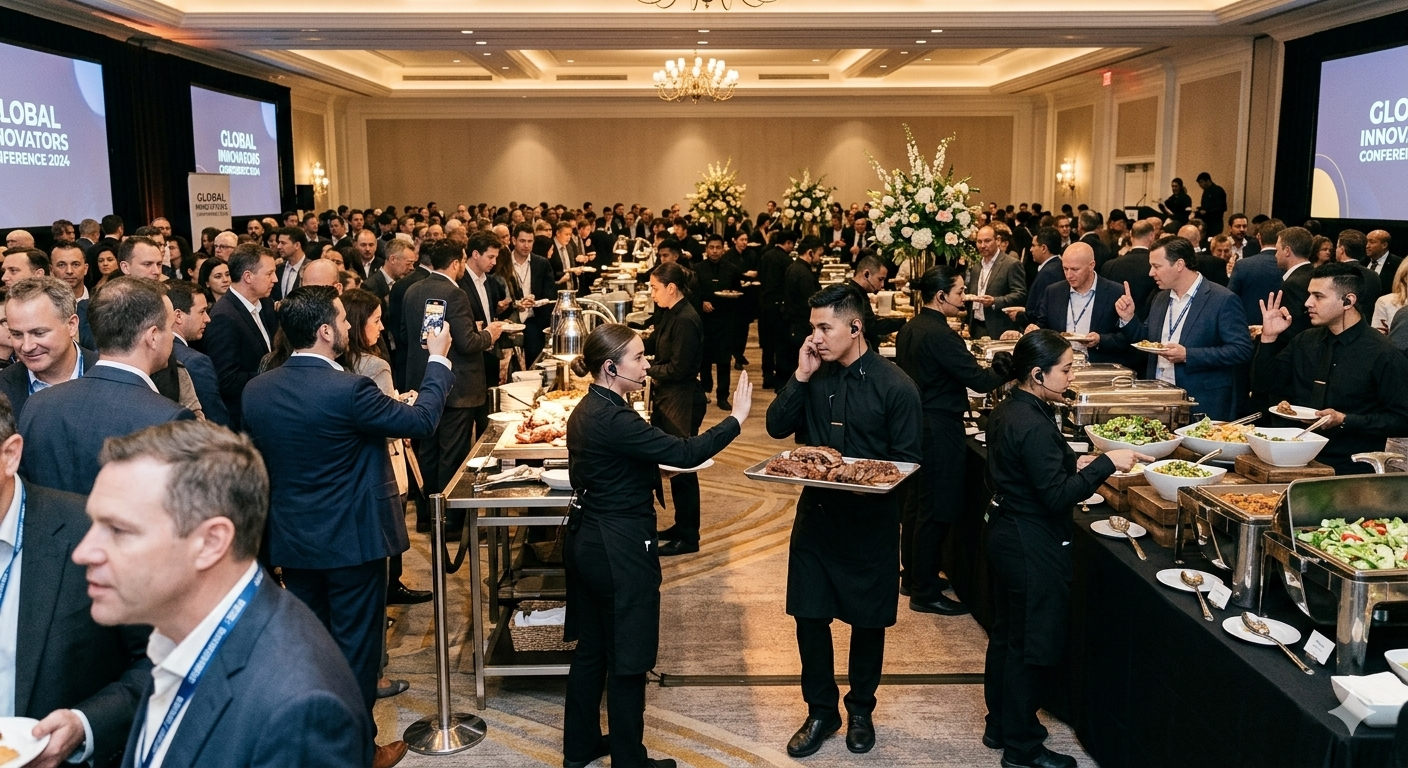
The 20-Foot Silence: Elevating Catering from Service to Scenic Design
In the world of high-luxury event production, the "perfect" atmosphere is a fragile ecosystem. You can have $50,000 in custom florals, precision-engineered lighting, and a curated playlist that moves the room—but it only takes one clinking silverware tray or a loud "Behind you!" from a server to break the spell.
As we move through the 2026 spring season, we are seeing a definitive shift in how top-tier catering teams operate. The most elite crews in the country are adopting a new standard of "invisible service" known as the 20-Foot Silence Rule.

The Concept: The 20-Foot Radius
The premise is simple but the execution requires absolute discipline: Once the guest count in a room exceeds 50% capacity, all communication within a 20-foot radius of the dining or lounge area shifts to non-verbal cues or whispered headsets.
In a standard event, the "back of house" energy often bleeds into the "front of house." You hear the frantic coordination of the kitchen, the stacking of crates, and the verbal play-by-play of the service staff. To the guest, this creates "sensory noise"—a subtle reminder of the labor happening behind the scenes.
By implementing the 20-Foot Silence Rule, the catering team effectively enters "stealth mode." The goal is to remove the human "noise" of service, allowing the guest to remain fully immersed in the experience you’ve designed.
Service as Scenic Design
The philosophy behind this rule is a radical shift in perspective: Treating the service staff as part of the "scenic design" rather than just the "labor."
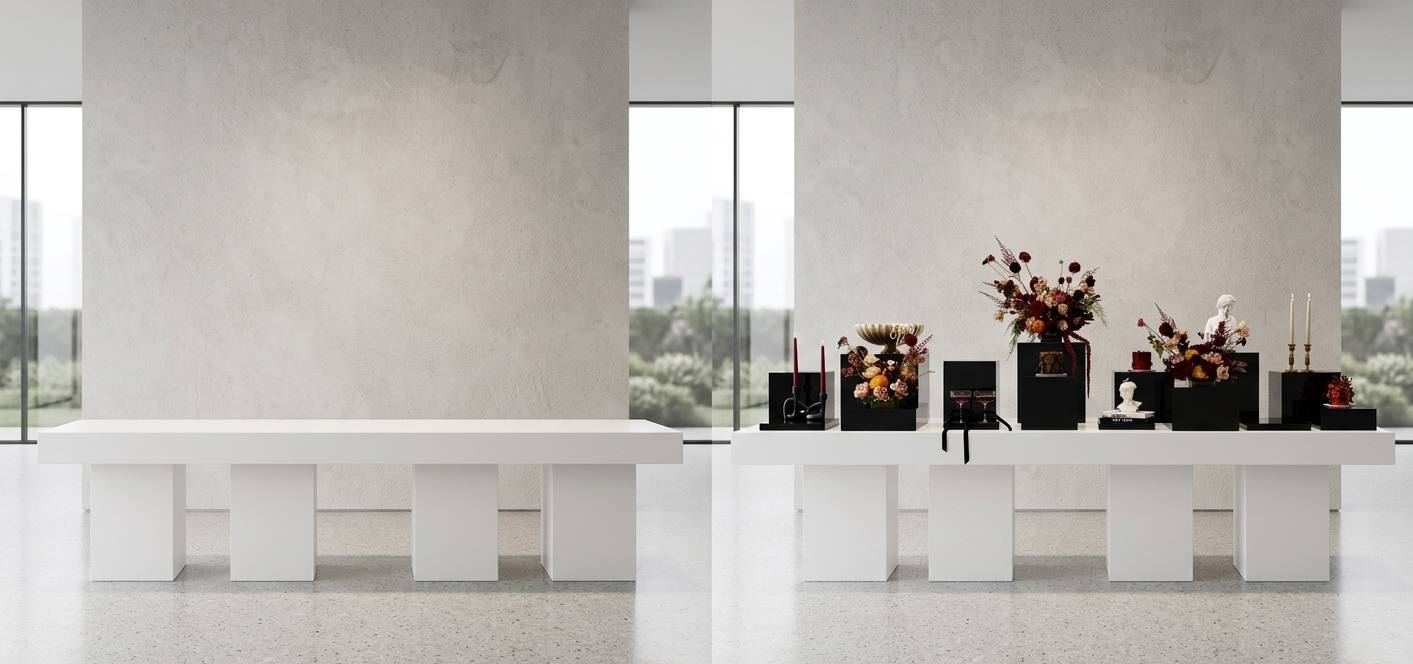
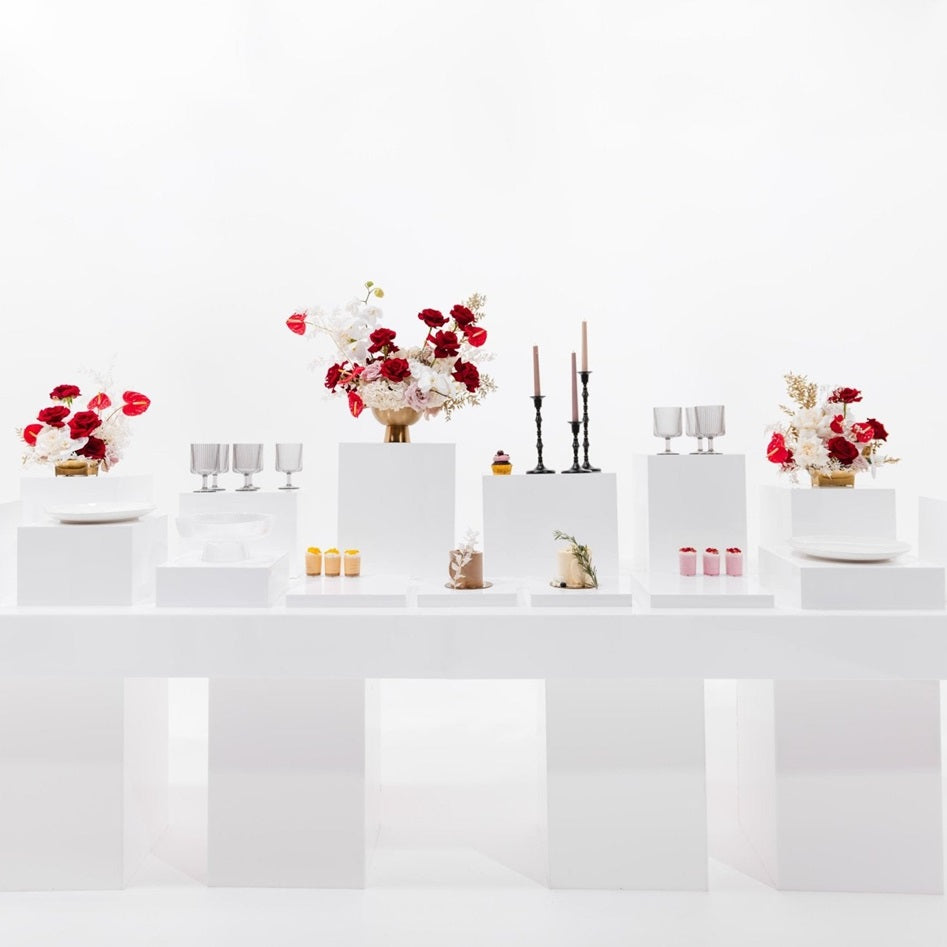
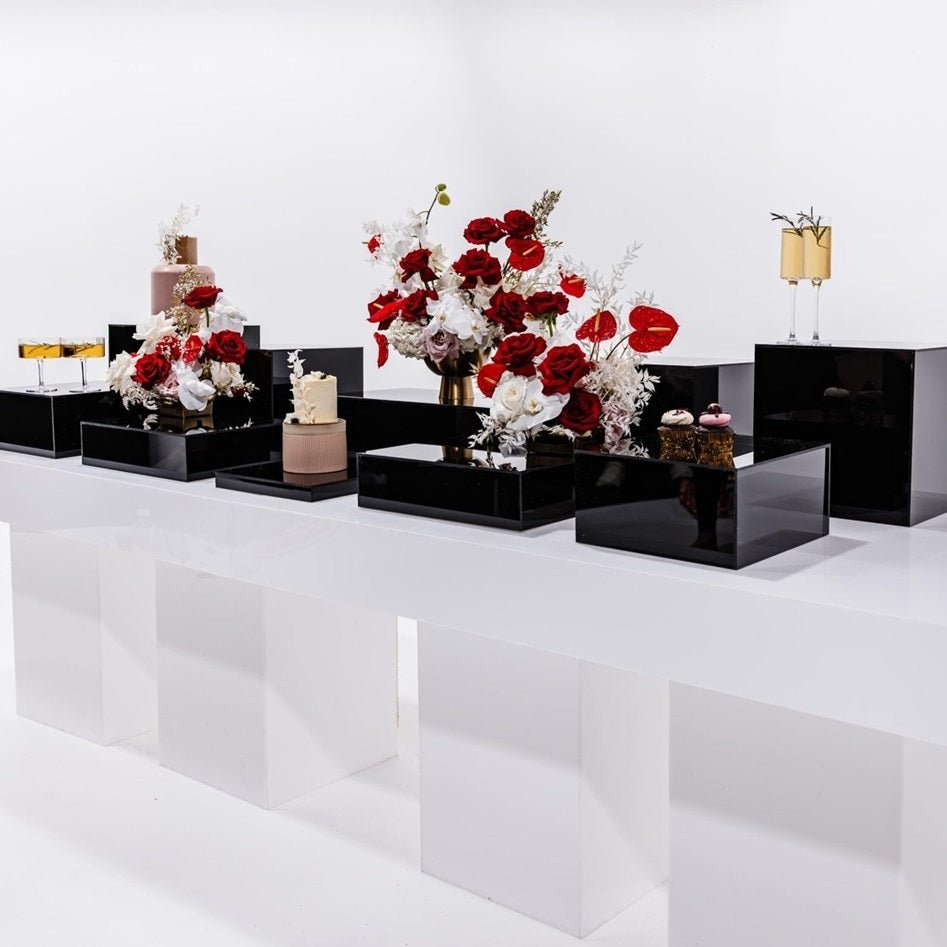
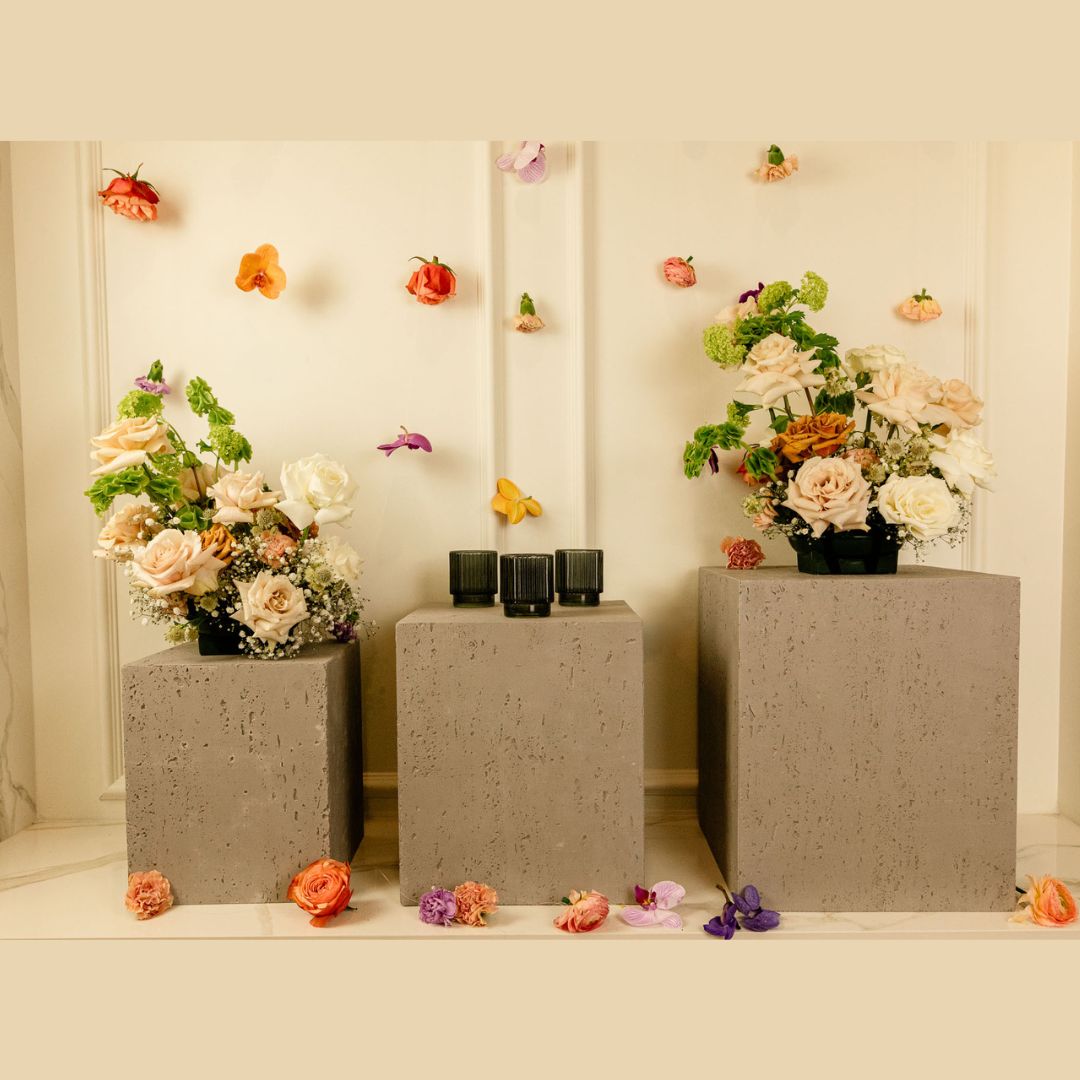
When a server moves through a room in total silence, using only eye contact or subtle hand signals to coordinate with their captain, they stop being a distraction and start being a choreographed part of the evening. They become a seamless extension of the architecture—as intentional as the pedestals holding the centerpieces or the lighting hitting the bar.
How Top Teams Execute the Silence:
-
The Choreographed Clear: Instead of asking, "Are you finished with this?", captains use "The Hover." A slight, three-second pause near the plate; if the guest doesn't re-engage with the food, the plate is removed. Total communication: Zero words.
-
The Non-Verbal Relay: Teams use a system of subtle hand signals (often at hip level) to communicate table status. A closed fist might mean "Table 4 is ready for mains," while two fingers down signifies "Water top-off needed."
-
Hushed Technology: For complex gala service, crews utilize low-profile, bone-conduction headsets. This allows the Lead Captain to give directions that are literally "whispered" into the ears of the staff without a single guest hearing a syllable.
The ROI: Perceived Value vs. Actual Cost
Why go through the effort of training a team in non-verbal choreography? Because perceived value is tied to the absence of friction.
When a guest never hears the service happening, the event feels "magical." It creates the illusion that the glass of Champagne simply appeared, that the table was cleared by a ghost, and that the room is managing itself. This level of refinement is what allows boutique catering houses to command premium pricing.
When you eliminate the "clatter" of the kitchen, you aren't just serving food; you are protecting the brand of the host and the integrity of the design.
The Practical Hack: The "Zone of Perfection"
If you are a smaller team looking to implement this this weekend, start with the Zone of Perfection. Identify the highest-traffic area—usually the main bar or the VIP lounge. Designate a 20-foot perimeter around that zone where "Service Silence" is mandatory.
You’ll find that as the volume of the staff goes down, the "vibe" of the guests goes up.